Public Transport Across High Peak
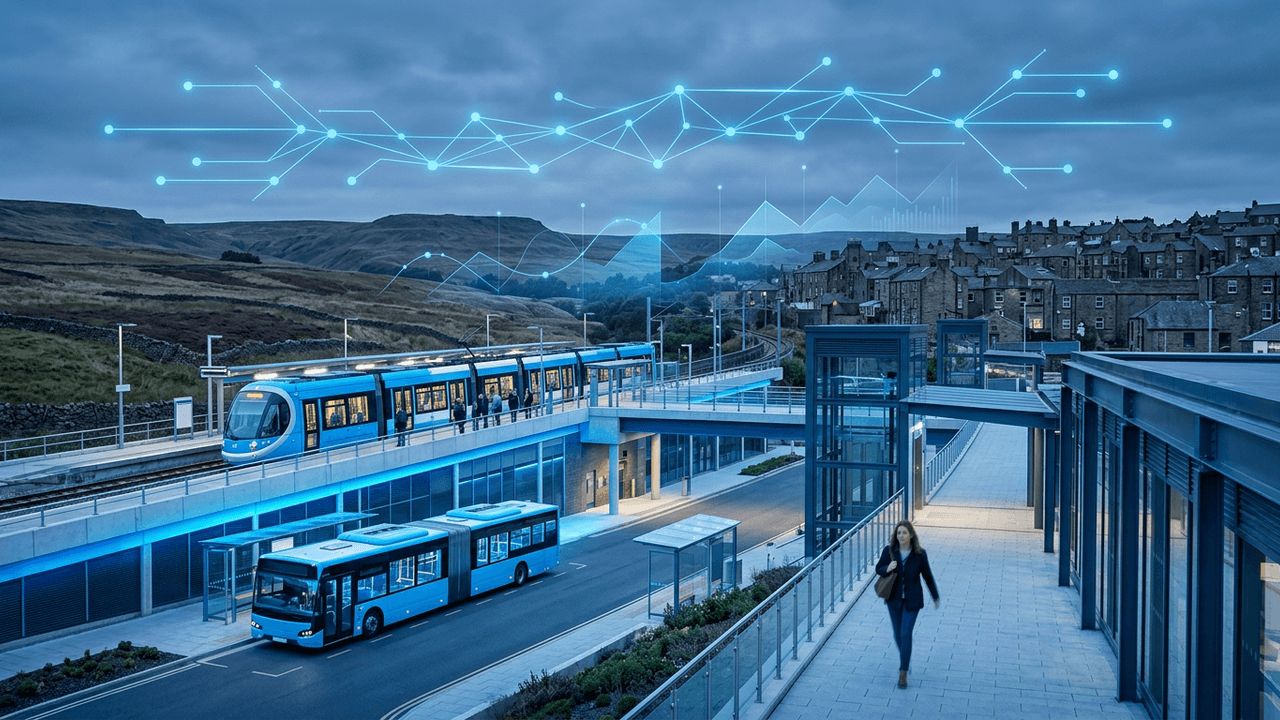
High Peak spans some of the most dramatic terrain in England, from the gritstone edges above the Hope Valley to the limestone plateau around Buxton. Despite this, a combination of railway lines, bus routes and community transport makes it possible to explore much of the borough without a car. For residents, public transit provides access to work, education, healthcare and shopping. For visitors, it offers a sustainable way to reach walking routes and attractions while reducing traffic in national park villages.
This guide brings together the ten public transit services and organisations that matter most, covering rail, bus, ticketing and journey planning.
The Top 10 Public Transit Services
1. Northern
Northern operates the local trains on the Buxton, Glossop and Hope Valley lines. It is the backbone of public transit in the borough, providing frequent links to Manchester, Stockport and Sheffield. Stations such as Edale, Hope and Chinley are especially popular with walkers.
2. High Peak Buses
High Peak Buses runs many of the core local bus services connecting Buxton, Glossop, Chapel-en-le-Frith, Whaley Bridge and surrounding villages. Its network fills gaps between rail lines and brings public transport to communities without a station.
3. Derbyshire County Council Public Transport
Derbyshire County Council supports many rural bus routes that would not be commercially viable. It also manages the Derbyshire Gold Card for concessionary travel and promotes the Derbyshire Wayfarer ticket, which gives a day of unlimited travel on most buses and trains in the county and beyond.
4. Derbyshire Connect
Derbyshire Connect is the county's demand-responsive and community transport offering, providing bookable minibus services for people in areas with limited conventional bus routes. It is especially valuable for older residents and those with mobility needs.
5. Stagecoach Manchester
Stagecoach Manchester links the Glossop area with Tameside and Stockport, connecting High Peak residents to employment, hospitals and shopping across Greater Manchester.
6. Bee Network
The Bee Network is Greater Manchester's integrated transport system, bringing buses, trams and active travel under one brand with capped fares. For High Peak residents travelling into the conurbation, it simplifies onward journeys once they cross the border.
7. Hulleys of Baslow
Hulleys of Baslow operates scenic rural routes through the eastern Peak and Hope Valley. Its buses link villages and attractions such as Castleton's caverns, making it a favourite with walkers and day-trippers.
8. Trent Barton
Trent Barton is known for high customer satisfaction and attractive branded routes. Its cross-Peak services and connections into Derby and the East Midlands broaden the options available to passengers heading south and east.
9. East Midlands Railway
East Midlands Railway runs long-distance trains across the Hope Valley between Liverpool, Manchester, Sheffield, Nottingham and Norwich. While these services generally skip smaller stations, they make onward travel from regional hubs fast and convenient.
10. Traveline
Traveline is the national public transport journey planner, combining bus, train and coach information into a single tool. It is invaluable for planning multi-leg journeys across High Peak, where connections between operators and modes are common.
Making the Most of Public Transport
Planning ahead is key. Rural bus timetables can be less frequent in the evenings and on Sundays, so check return times before setting off. Combining a train to Edale with a bus back from Castleton, or a bus to the Upper Derwent Valley with a return train from Bamford, opens up fantastic linear walks. Multi-operator tickets such as the Derbyshire Wayfarer often offer the best value for days with several journeys. Railcards and concessionary passes provide further savings.
Accessibility and Inclusion
Modern low-floor buses and step-free access at some stations have improved accessibility, though older stations and rural stops can still present challenges. Demand-responsive services and community transport schemes help fill the gaps, ensuring that people with disabilities, older residents and those without cars can stay connected to essential services.
Trends and the Future
Public transport in High Peak is evolving with contactless payment, real-time tracking apps and cleaner vehicles. Fare caps and integrated ticketing across regional boundaries are making travel simpler, while investment in rail capacity on the Hope Valley line promises more frequent services. Visitor-focused initiatives encourage people to leave cars at home, helping protect the national park from congestion and pollution.
Popular Car-Free Days Out
Public transport opens up some of the borough's best experiences. Take the train to Edale for the walk to Kinder Scout, then return from the village station after lunch at a local pub. Travel to Buxton by rail to explore the Crescent, the Pavilion Gardens and the Opera House. Catch a bus into the Hope Valley to visit Castleton's show caves and climb Mam Tor, or head for the Upper Derwent Valley to walk around the reservoirs. Hayfield, reached by bus from New Mills, provides another popular gateway to the Kinder plateau.
Planning these trips with a single multi-operator ticket keeps costs predictable and avoids the stress of parking at busy visitor hotspots on sunny weekends.
Conclusion
High Peak proves that rural public transport can be practical, affordable and even enjoyable. With frequent trains, a committed bus network, demand-responsive options and powerful journey planning tools, the ten services above give residents and visitors the freedom to explore the borough sustainably.
Want your brand featured in front of decision-makers? Publish a guest post or get a link insertion in our guides through AAMAX's guest post and link insertion service.
Helpful Links
 SponsoredAAMAX — Full-Service Digital Agency
Write for Us
Share your expertise with our readers. We welcome guest contributions from industry specialists.
Pitch your idea