Understanding Public Transit in Hartlepool
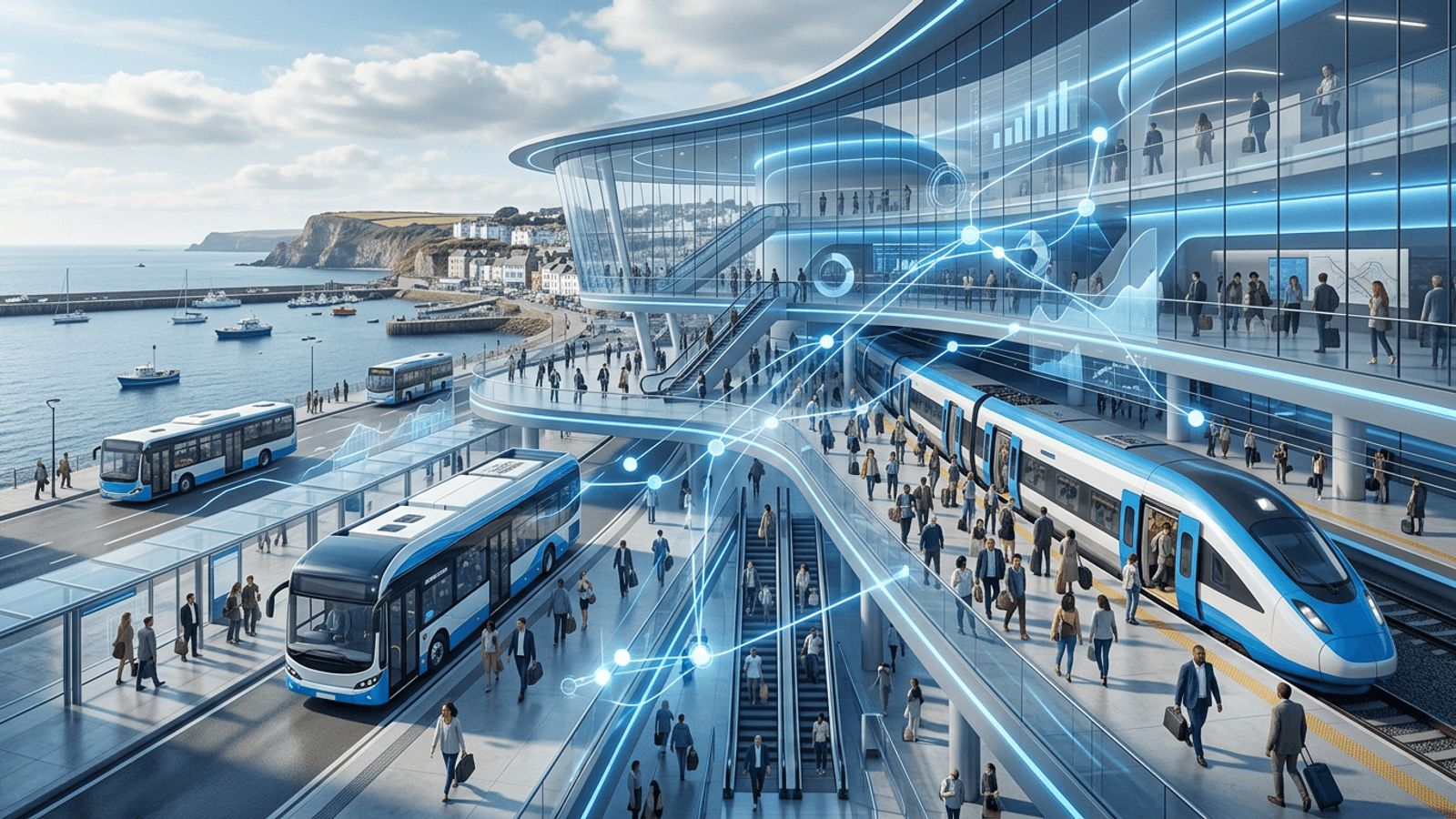
Public transport in Hartlepool is more than a collection of bus routes. It is an integrated system of local buses, regional rail, on-demand minibuses, community transport and national coach links, all coordinated increasingly by the Tees Valley Combined Authority. At its heart sits the Hartlepool transport interchange beside the railway station, where buses, trains and taxis meet within a few steps of each other.
For residents without a car, and for those who simply prefer to leave it at home, a well-connected transit network provides access to jobs, education, healthcare and leisure. It also supports the town's regeneration by bringing visitors to attractions such as the Marina, Hartlepool Historic Quay, the Headland and the beach at Seaton Carew. This guide highlights the ten most important public transit services for anyone living in or visiting Hartlepool.
What Makes a Transit Service Stand Out?
We looked at how well each service connects people with the places they need to go, how frequent and reliable it is, how affordable and easy to pay for it is, and how accessible it is for older and disabled passengers. Integration with other modes and the quality of real-time information also played an important part.
The Top 10 Public Transit Services in Hartlepool
1. Stagecoach Local Bus Network
Stagecoach provides the core of Hartlepool's local bus network, linking housing estates, the town centre, the University Hospital of Hartlepool, retail parks and neighbouring Teesside towns. Frequent daytime services, contactless payment and a user-friendly app make it the most used public transit option in the borough.
2. Northern Rail Services
Northern trains call at Hartlepool and Seaton Carew, offering quick journeys to Middlesbrough, Stockton, Sunderland and Newcastle. For commuters and students, rail offers predictable journey times that avoid road congestion on the A19 and A689.
3. Grand Central Trains
Grand Central gives Hartlepool a valuable direct link with York and London King's Cross. Its comfortable trains and competitive advance fares make it a practical alternative to driving or flying for long-distance trips.
4. Hartlepool Transport Interchange
The interchange is the hub that brings the network together. Its covered waiting areas, departure information and close proximity to rail platforms make changing between bus and train straightforward, especially in poor weather.
5. Tees Flex On-Demand Transport
Tees Flex fills gaps in the traditional network by offering bookable minibus journeys within defined zones. It is particularly helpful for reaching rural villages, industrial estates and shift-based workplaces at times when regular buses do not run.
6. Arriva Regional Connections
Arriva services provide links from Hartlepool into County Durham, connecting communities such as Peterlee and beyond. These routes are important for residents travelling to colleges, workplaces and family across the county boundary.
7. Tees Valley Combined Authority Initiatives
The combined authority funds and coordinates improvements such as capped fares, new bus shelters, bus priority schemes and multi-operator ticketing. Its investment is gradually creating a more joined-up and affordable network across the region.
8. Community Transport Services
Community transport schemes offer door-to-door minibus travel for people who find mainstream transport difficult to use. They help older and disabled residents attend appointments, shop and socialise, reducing loneliness and supporting independence.
9. National Express Coaches
National Express links the Tees Valley with cities throughout Britain and with major airports. For budget-conscious travellers, advance coach fares provide excellent value for long journeys.
10. Journey Planning Tools
Journey planners and operator apps bring together timetables, live departures and ticket purchasing in one place. Using them makes it much easier to combine bus and rail and to plan around disruptions.
Public Transit Trends in Hartlepool
Fare capping has made regular travel more affordable, and contactless payment has simplified boarding. Demand-responsive services are proving that flexible transport can serve lower-density areas effectively. There is also growing emphasis on cleaner vehicles and better walking and cycling links to stations, supporting the region's ambitions for sustainable, low-carbon travel.
Frequently Asked Questions
Is there a single ticket for buses and trains in Hartlepool?
Multi-operator and multi-modal ticket options have been developed across the Tees Valley and wider North East, allowing travel on different operators with one ticket. Availability and prices change, so check current options before travelling.
Who is eligible for free bus travel?
Residents who have reached state pension age and people with certain disabilities may qualify for an English National Concessionary Travel Scheme pass. Applications are handled by Hartlepool Borough Council.
How do I book Tees Flex?
Journeys can be booked through the Tees Flex app or by phone, usually in advance or on the same day subject to availability. You will be given a pickup point and time close to your requested location.
Conclusion
Hartlepool's public transit network offers a practical, affordable way to travel locally and nationally. By combining frequent buses, regional and long-distance rail, flexible on-demand minibuses and community transport, the town is building a network that works for commuters, students, visitors and those who need extra support.
Want your brand featured in front of decision-makers? Publish a guest post or get a link insertion in our guides through AAMAX's guest post and link insertion service.
Helpful Links
 SponsoredAAMAX — Full-Service Digital Agency
Write for Us
Share your expertise with our readers. We welcome guest contributions from industry specialists.
Pitch your idea