A Uniquely Diverse Transport Network
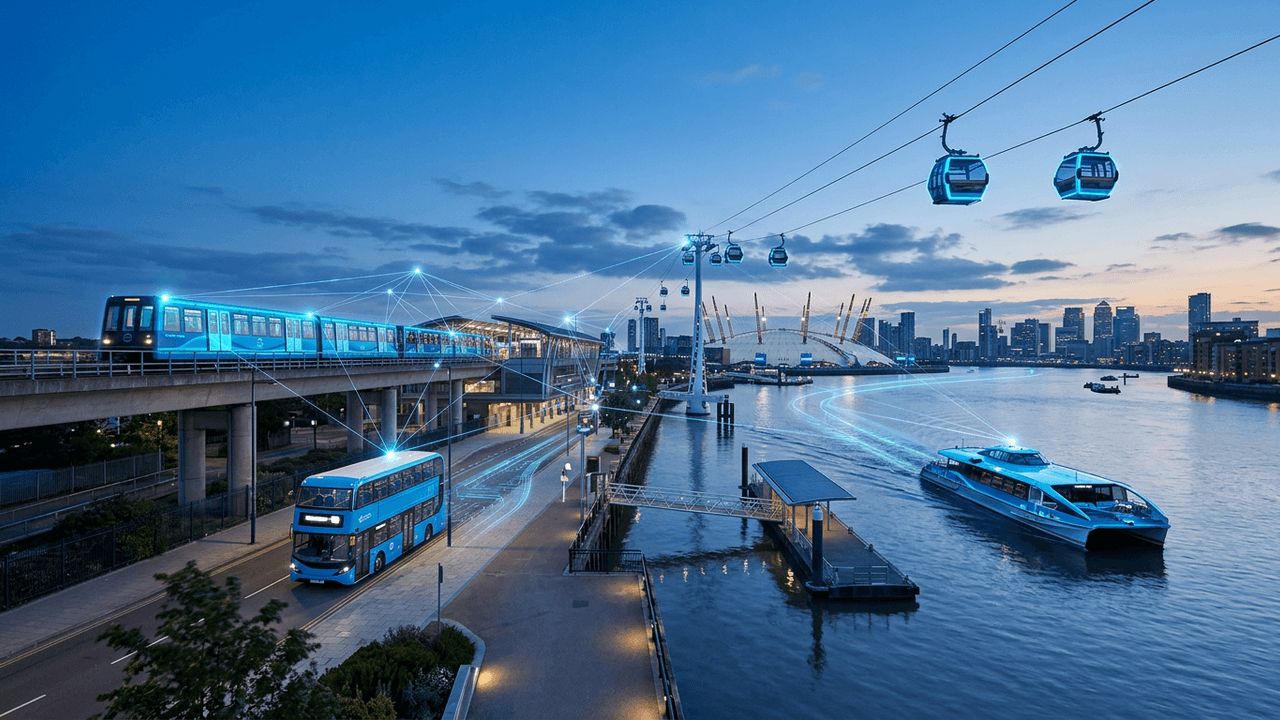
Few places in London offer as many ways to travel as Greenwich. Residents and visitors can choose between the Jubilee line, the DLR, Southeastern trains, the Elizabeth line, an extensive bus network, fast river boats on the Thames, the free Woolwich Ferry and a cable car soaring across the river. This variety makes getting around both practical and memorable.
The network connects Greenwich's historic centre, the Peninsula, Woolwich, Charlton, Eltham and Blackheath to central London, Canary Wharf, Stratford and beyond. Integrated contactless payment through Transport for London means passengers can switch between modes seamlessly.
Trends in Public Transport
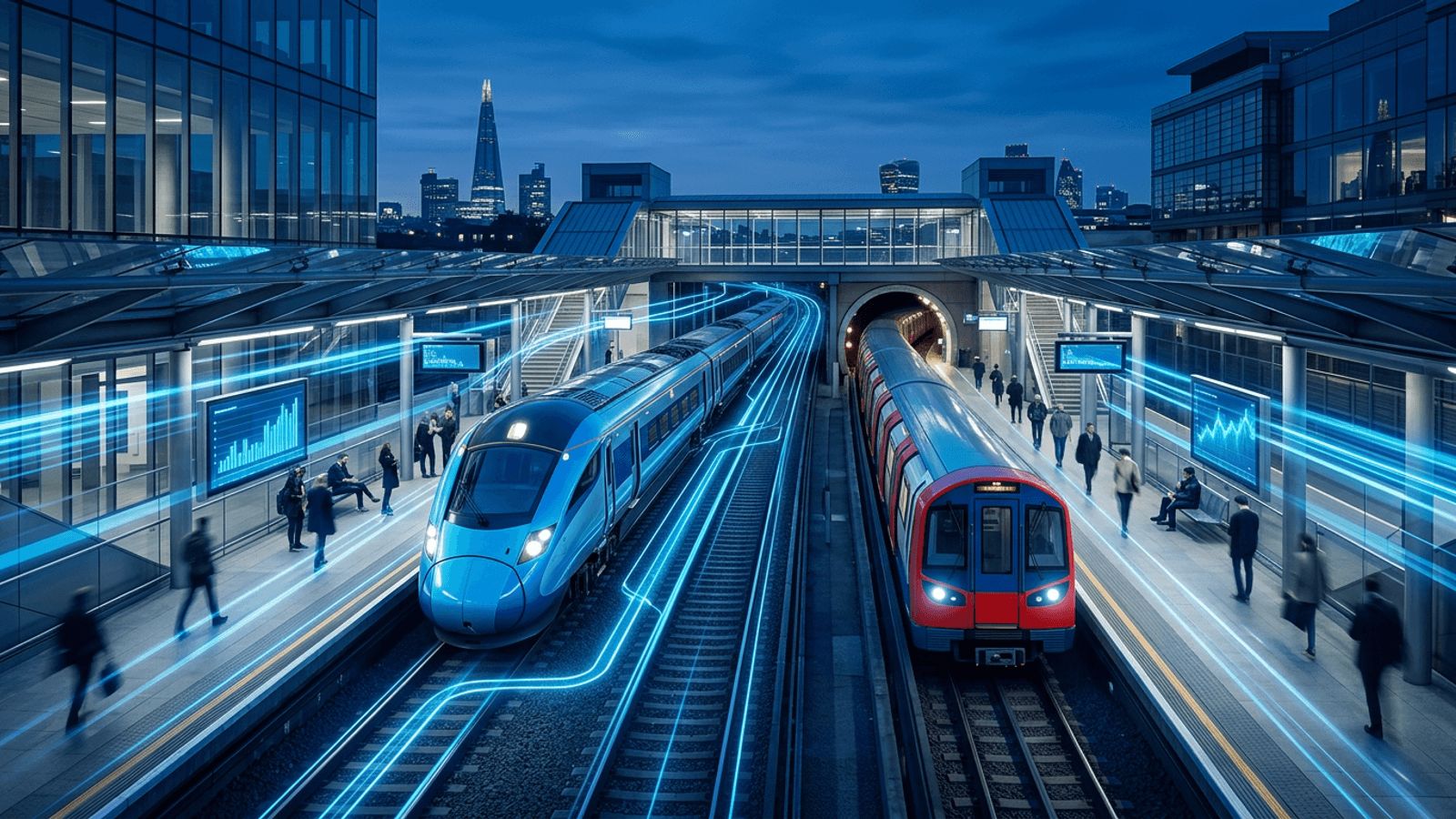
Public transport in London is becoming greener, more accessible and more connected. Electric buses are replacing diesel vehicles, step-free access is expanding across stations, and real-time information through digital apps has made journeys more predictable. Major projects such as the Elizabeth line and Silvertown Tunnel have reshaped travel patterns in south-east London, improving cross-river connections.
1. London Buses
London Buses, managed by Transport for London, provide comprehensive coverage across Greenwich. Routes link residential neighbourhoods, town centres and transport hubs such as North Greenwich bus station. Affordable flat fares, the Hopper fare and low-floor accessible vehicles make buses an essential, inclusive part of local travel.
2. Docklands Light Railway
The DLR connects Cutty Sark, Greenwich and Woolwich Arsenal with Canary Wharf, Bank, Stratford and London City Airport. Its driverless trains, frequent services and step-free stations make it one of the most convenient ways to travel. Sitting at the front of a DLR train offers fantastic views over Docklands.
3. Jubilee Line
The Jubilee line at North Greenwich provides rapid connections to Canary Wharf, London Bridge, Westminster, Bond Street and beyond. It is vital for residents of the Peninsula and visitors heading to The O2, with high-frequency services and step-free access.
4. Southeastern
Southeastern operates mainline trains from stations across Greenwich to London Bridge, Cannon Street and Charing Cross, as well as destinations across Kent. Its services are the backbone of commuting for many residents of Greenwich, Blackheath, Charlton and Eltham.
5. Elizabeth Line
The Elizabeth line at Woolwich offers fast, spacious trains to Canary Wharf, the City, the West End and Heathrow. Its arrival has dramatically shortened journey times from south-east London, boosting connectivity and regeneration across the borough.
6. Uber Boat by Thames Clippers
Uber Boat by Thames Clippers runs fast river bus services stopping at Greenwich, North Greenwich, Woolwich and other piers. Commuting by river offers a relaxing alternative to crowded trains, with spectacular views of London landmarks along the way. Contactless and Oyster payments are accepted.
7. IFS Cloud Cable Car
The IFS Cloud Cable Car connects Greenwich Peninsula with the Royal Docks, gliding high above the Thames. While popular as a tourist attraction thanks to its panoramic views, it also provides a practical link between the Peninsula and the Royal Docks and ExCeL London.
8. Woolwich Ferry
The Woolwich Ferry is a free vehicle and foot passenger ferry crossing the Thames between Woolwich and North Woolwich. Operated on behalf of Transport for London, it provides an important river crossing for local residents, cyclists and drivers in east London.
9. Thameslink
Thameslink services provide useful cross-London connections from parts of south-east London, linking passengers to London Bridge, Blackfriars, Farringdon and St Pancras without changing trains. It broadens travel options for residents heading north of the river.
10. Dial-a-Ride
Dial-a-Ride is a free door-to-door transport service run by Transport for London for people with disabilities or mobility difficulties who cannot easily use public transport. It provides an essential lifeline for eligible Greenwich residents, supporting independence and access to services.
Tips for Using Public Transport in Greenwich
Use contactless or Oyster to benefit from daily and weekly fare caps across all TfL services. Plan journeys with TfL's online journey planner, which can suggest the best combination of buses, trains, river boats and walking routes. Allow extra time during major events at The O2, and check for planned engineering works at weekends. For accessibility, use step-free maps and take advantage of the Turn-up-and-go assistance offered at many stations.
Combining Transport for Sightseeing
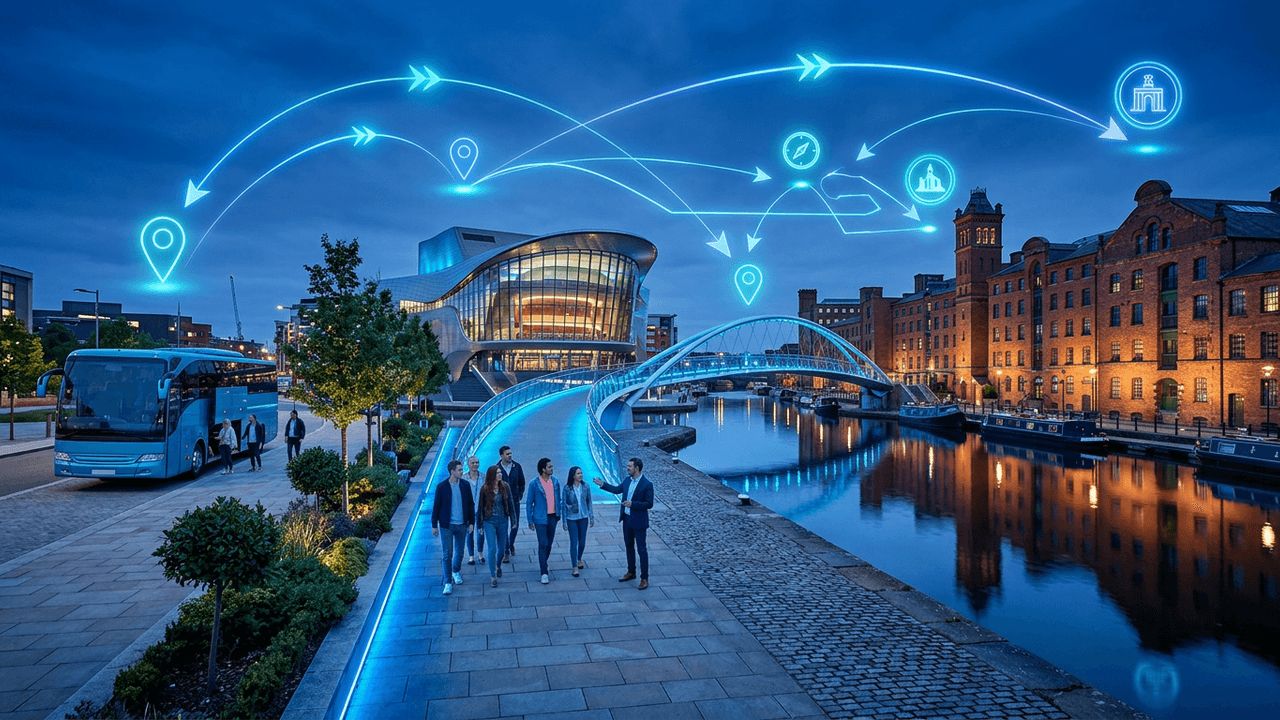
Visitors can enjoy Greenwich by combining transport modes. Arrive by river boat at Greenwich Pier, explore the historic centre on foot, take the DLR or bus to the Peninsula, ride the cable car across the Thames and return to central London via the Jubilee line. This creates a memorable day of sightseeing using everyday public transport.
Accessibility on Greenwich Transport
Greenwich has made significant progress on accessible transport. All London buses are wheelchair accessible, DLR stations are step-free, and the Elizabeth line and Jubilee line stations at Woolwich and North Greenwich offer step-free access from street to train. River boats provide accessible boarding at most piers. Passengers who need extra help can request assistance from staff, and Transport for London provides detailed step-free maps and journey planning tools to help travellers plan with confidence.
Conclusion
Greenwich's public transport network is remarkably diverse, connecting residents and visitors to every corner of London. From the DLR and Jubilee line to river boats and the cable car, these services make Greenwich one of the most accessible places in the capital.
Want your brand featured in front of decision-makers? Publish a guest post or get a link insertion in our guides through AAMAX's guest post and link insertion service.
Helpful Links
 SponsoredAAMAX — Full-Service Digital Agency
Write for Us
Share your expertise with our readers. We welcome guest contributions from industry specialists.
Pitch your idea