Camden's Public Transport Advantage
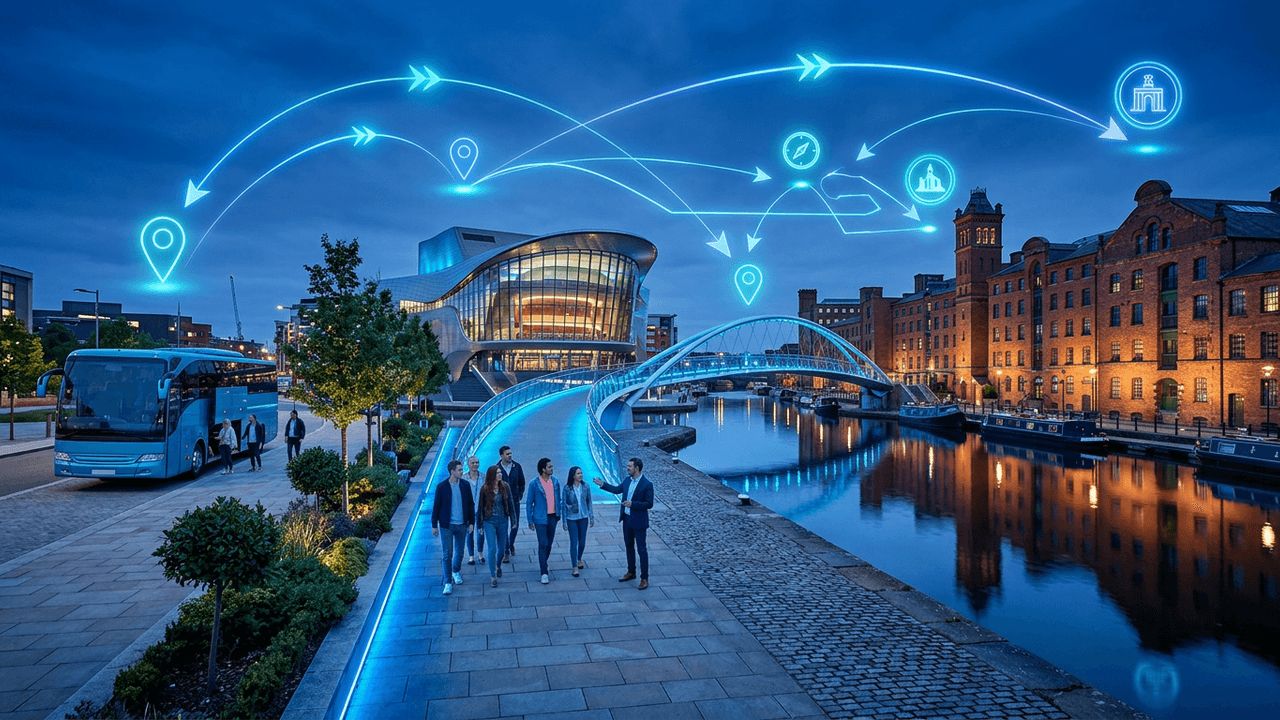
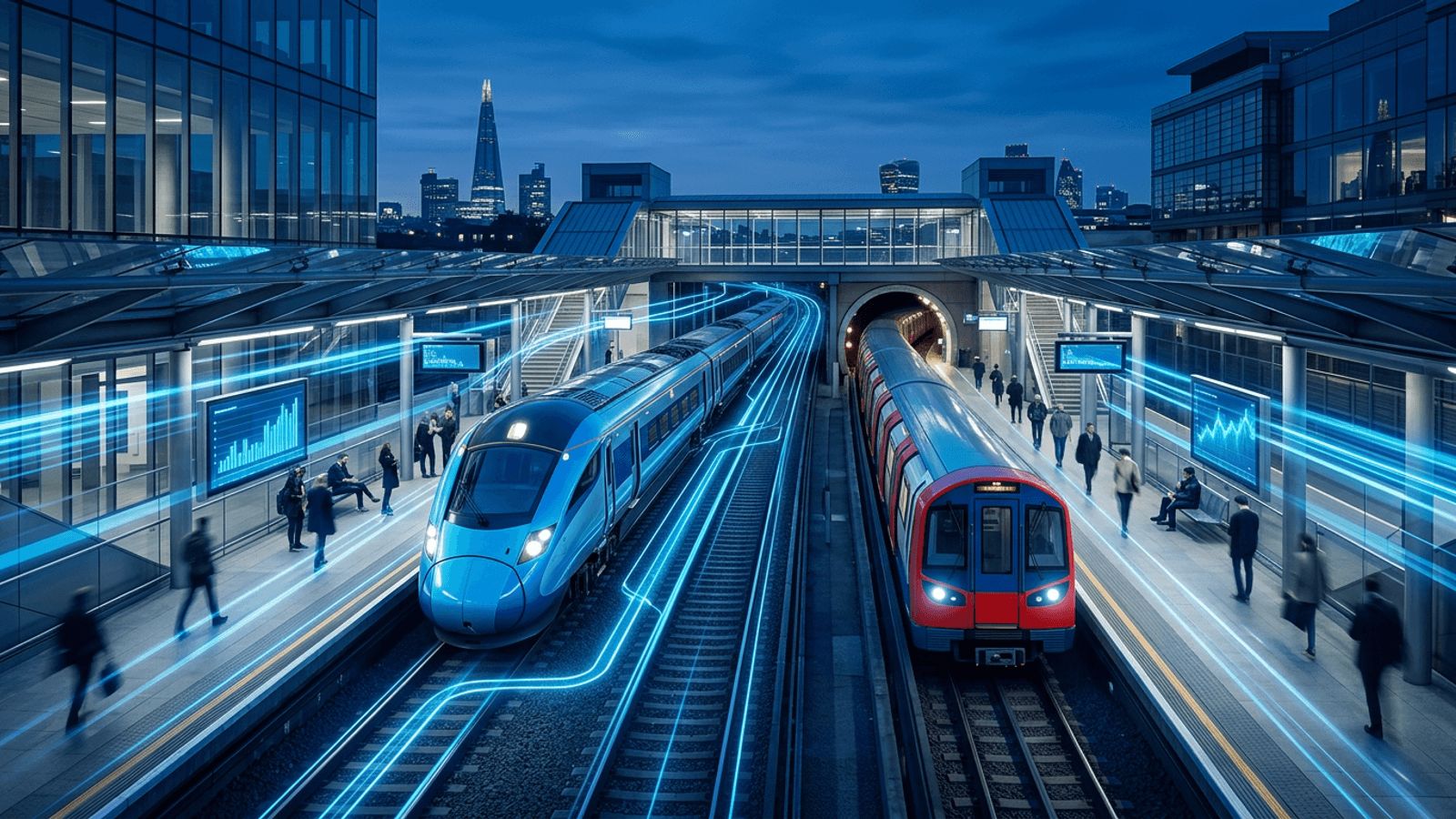
Camden consistently ranks among the best-connected boroughs in London, and by extension among the best-connected urban districts in Europe. Six underground lines pass through or touch the borough, two mainline termini sit within its boundaries, orbital rail crosses it east to west, dozens of bus routes converge on Camden Town, Kentish Town and Holborn, and the canal towpath provides a continuous traffic-free walking and cycling corridor from Little Venice to the Olympic Park.
The practical consequence is that car ownership in the borough is low by national standards and unnecessary for most residents. But abundance creates its own problem: with so many options, many people default to the route they know rather than the fastest or cheapest one available. Understanding the strengths of each service is what turns a good network into a genuinely convenient daily experience.
How the Integrated System Works
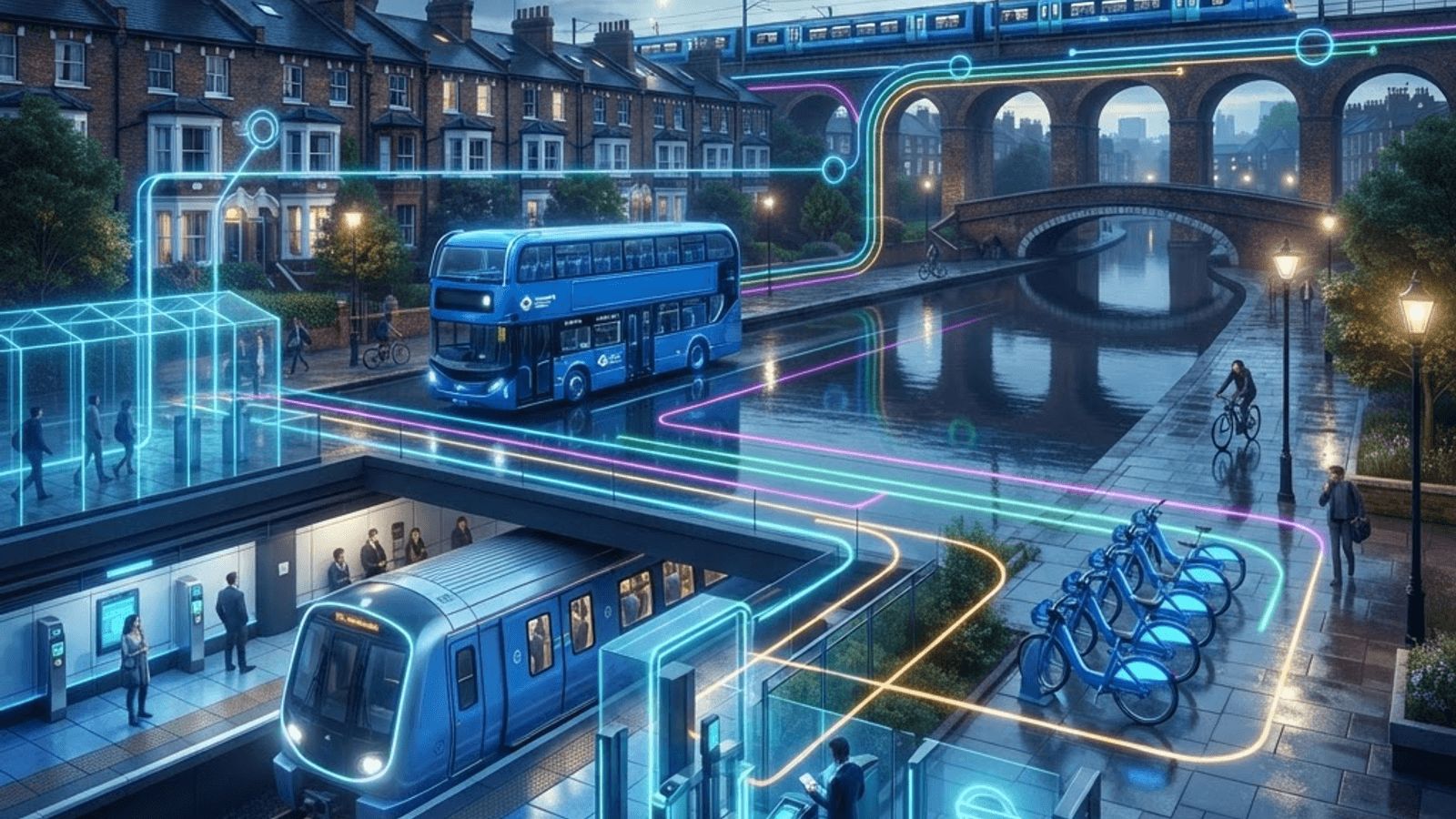
Almost all public transport in Camden operates under a single integrated fare structure administered by the capital's transport authority. Contactless payment cards, mobile wallets and the local smartcard are accepted across underground, bus, tram, orbital rail and most suburban rail services within the zonal area, with automatic daily and weekly capping that ensures frequent travellers never pay more than the equivalent season ticket.
Two details deliver disproportionate savings. First, buses and trams have their own separate, lower cap and include a free transfer window allowing a second bus journey shortly after the first at no extra charge. Second, journeys are priced by zones and interchange behaviour, so a slightly different routing can cost noticeably less. Contactless is almost always cheaper than paper tickets, and concessionary passes for older residents, students and disabled travellers offer substantial further reductions.
The Leading Public Transit Services in Camden
The Northern line is the borough's spine, serving Camden Town, Kentish Town, Chalk Farm, Belsize Park, Tufnell Park, Euston, Mornington Crescent and Goodge Street. Its two central branches make it exceptionally useful, though passengers should note that Camden Town's interchange is subject to exit-only restrictions at the busiest times.
The Victoria line offers the fastest end-to-end journeys in the network from Euston and King's Cross St Pancras, with very high frequencies and excellent southbound connectivity.
The Piccadilly line serves the southern part of the borough and provides direct airport access without interchange, which makes it the default choice for Camden travellers heading to Heathrow.
The Elizabeth line, reachable in one stop from the borough's southern stations, has transformed east–west travel with spacious, fully accessible trains and rapid links to the City, Canary Wharf and the western suburbs.
The Circle, Metropolitan and Hammersmith & City lines together serve King's Cross and Euston Square, providing useful orbital movement around the central area and connections to the west.
London Overground runs through Camden Road, Kentish Town West and Caledonian Road & Barnsbury, offering turn-up-and-go orbital services that bypass the congested centre entirely — often the fastest way across north London.
Thameslink provides high-frequency north–south cross-London services from the borough's southern stations, with direct trains to Gatwick and the Sussex coast.
London Buses deliver the densest coverage of all, with major corridors along Camden High Street, Kentish Town Road, Euston Road and Caledonian Road. Buses are fully accessible with ramps and wheelchair spaces, cheaper than rail, and unbeatable for short local journeys where walking to a station would take longer than the trip itself.
Santander Cycles, the docked cycle hire scheme, has extensive station coverage across the borough and works especially well along the canal and quieter residential streets, offering a genuinely fast option for journeys of one to three miles.
Dial-a-Ride and Taxicard complete the picture as door-to-door accessible transport for residents unable to use mainstream services, providing pre-booked minibus journeys and subsidised taxi travel.
Trends Shaping Camden's Transit
Accessibility is improving steadily but unevenly. Step-free coverage is expanding across the network, and newer lines are fully accessible end to end, yet several of the borough's deep-level tube stations remain stair-dependent. Journey planners now allow step-free filtering, and combining accessible rail with fully accessible buses often produces a workable route where a single mode does not.
Fleet decarbonisation is well advanced on the bus network, with electric and hydrogen vehicles replacing diesel across inner London routes, reducing both emissions and street-level noise.
Active travel infrastructure has expanded considerably, with protected cycle lanes, low-traffic residential streets and improved canal-side routes. For many Camden journeys, cycling is now the quickest option at peak times.
Real-time information has matured to the point where live arrival predictions, service disruption alerts and crowding forecasts are available for every mode, allowing travellers to avoid the busiest carriages and choose quieter interchanges.
How to Choose Between Services
Use distance and time of day as your guide. For journeys under a mile, walking usually wins outright; Camden's street grid is compact and the canal towpath is pleasant and traffic-free. For one to three miles, cycle hire or a single bus is typically fastest and cheapest. For cross-city travel, the underground and Elizabeth line dominate on speed. For orbital movement across north London, the Overground beats any radial route through the centre. For journeys beyond the zonal boundary, suburban rail with advance ticketing is more economical than paying as you go.
Pay attention to interchange quality rather than raw journey time. A route with one easy cross-platform change often beats a nominally faster route with two long tunnel walks, particularly with luggage, children or mobility needs.
Practical Tips for Getting the Best From the Network
Use one payment method consistently so capping works correctly, and never tap in with two different cards on the same journey. Check whether your regular route crosses a zone boundary unnecessarily, as a small change in station choice can reduce fares.
Travel slightly outside the peak where possible; off-peak fares are lower and crowding is dramatically reduced. Keep an eye on planned weekend engineering work, which is frequent on the borough's mainline corridors, and remember that replacement bus services are usually slower than an alternative underground route.
Finally, learn two routes for every regular journey. Camden's greatest transport asset is redundancy: when one line is disrupted, another almost always covers the same corridor. Residents who know their alternatives lose minutes to disruption where others lose hours.
Want your brand featured in front of decision-makers? Publish a guest post or get a link insertion in our guides through AAMAX's guest post and link insertion service.
Helpful Links
 SponsoredAAMAX — Full-Service Digital Agency
Write for Us
Share your expertise with our readers. We welcome guest contributions from industry specialists.
Pitch your idea