Public Transit in Blackburn with Darwen
Blackburn with Darwen has a higher-than-average proportion of households without access to a car, which makes public transport genuinely essential rather than merely convenient. The borough's transit system rests on three pillars: a comprehensive bus network centred on Blackburn Bus Station, rail services from Blackburn, Darwen and Mill Hill stations, and a supporting layer of community transport, taxis and active travel infrastructure.
The geography is helpful in some respects and awkward in others. Blackburn and Darwen are only a few miles apart and well connected by frequent buses and trains. However, hillside neighbourhoods, the moorland fringe and outlying villages such as Tockholes and Belmont are harder to serve commercially, which is where supported services and community transport become vital.
The Top 10 Public Transit Services in the Borough
1. Transdev Blackburn Bus Company — The dominant local bus operator, running the majority of town services across Blackburn and Darwen plus links to surrounding towns. Its investment in high-specification vehicles with wi-fi, USB charging and comfortable seating has raised standards well above what many comparable boroughs experience.
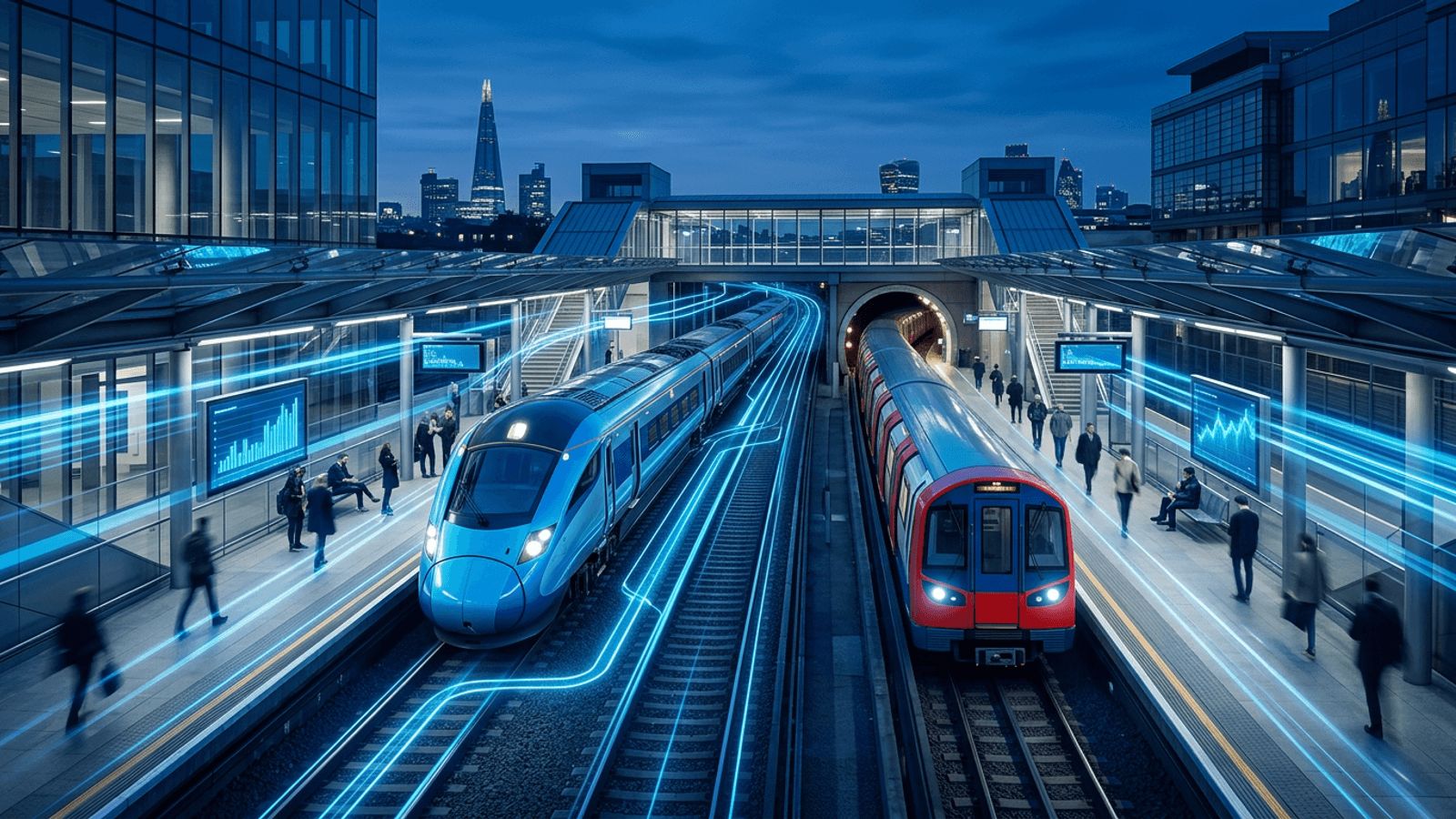
2. Northern Trains — The principal rail operator serving all three borough stations, Northern provides connections to Manchester Victoria via Darwen and Bolton, Preston for West Coast Main Line services, and eastwards towards Burnley, Hebden Bridge and Leeds. It is the fastest option for commuting beyond East Lancashire.
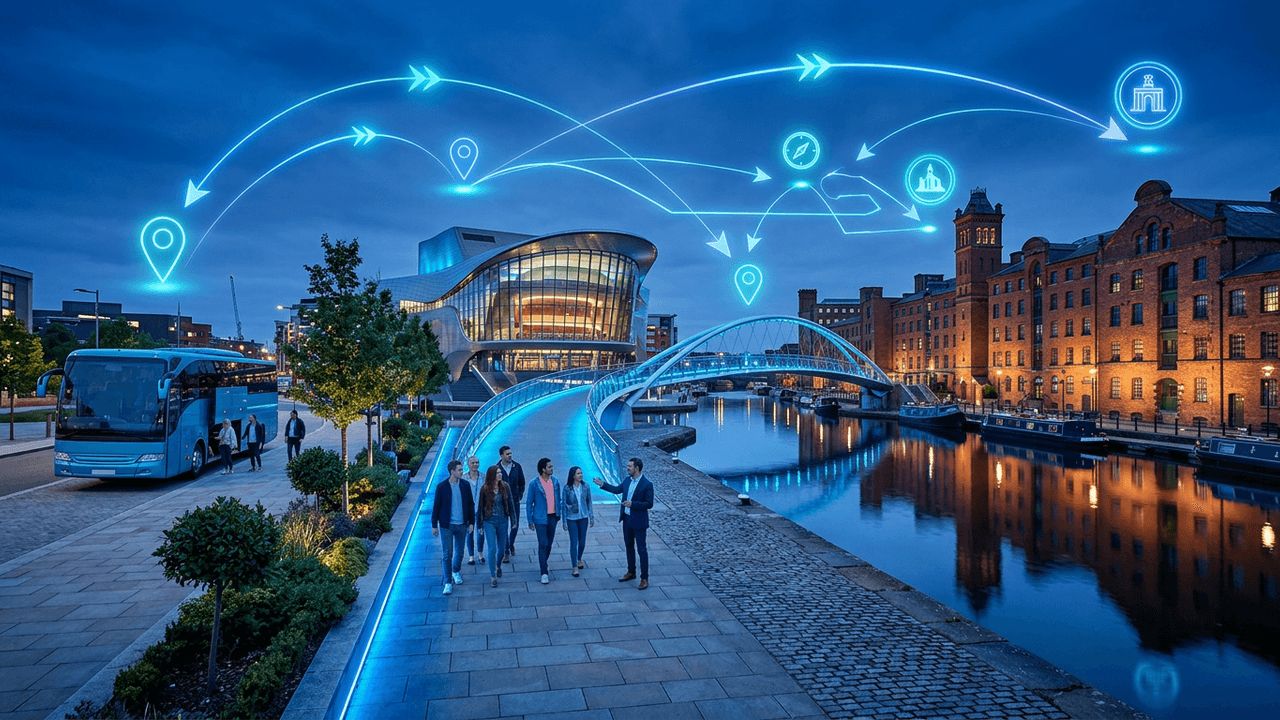
3. Blackburn Bus Station and Interchange — More than a facility, the interchange is the hinge of the entire network. Its modern layout, real-time departure information, staffed presence and proximity to both the railway station and the Mall Blackburn make multi-modal journeys practical.
4. Transdev Lancashire United — Operating key inter-urban corridors across Lancashire, Lancashire United connects the borough with Accrington, Burnley, Clitheroe and Preston at frequencies that make car-free commuting realistic for many residents.
5. Blackburn with Darwen Borough Council Supported Bus Network — The council commissions socially necessary services that commercial operators cannot sustain, particularly evenings, Sundays and rural routes. These contracts keep isolated communities connected to healthcare, shops and employment.
6. Community Transport and Dial-a-Ride Schemes — Voluntary sector providers operate accessible minibuses offering door-to-door travel for older residents and people with disabilities. For those who cannot reach a bus stop or manage steps, these schemes are the difference between independence and isolation.
7. Diamond Bus North West — Part of the Rotala group, Diamond runs local and cross-boundary services in Lancashire and Greater Manchester, adding competition and additional route choice for borough passengers.
8. Rosso, Rossendale Transport — Serving the Rossendale valley and parts of East Lancashire, Rosso complements the main network with links towards Accrington, Rawtenstall and Bury.
9. Licensed Hackney Carriage and Private Hire Fleet — Taxis form an underrated part of public transit, particularly for late-night shift workers, hospital appointments and journeys where bus frequencies are low. The council-licensed fleet provides the flexible layer that fixed-route services cannot.
10. Active Travel Network and Cycle Infrastructure — The Leeds and Liverpool Canal towpath, National Cycle Network routes and improving on-road cycle provision allow walking and cycling to serve as first and last mile connections to buses and trains, effectively extending the reach of the whole system.
Ticketing and Value
Contactless payment is standard on local buses, with automatic daily and weekly fare capping limiting spend. Multi-operator tickets are particularly useful in East Lancashire where a single journey may involve two companies. Concessionary passes give free off-peak bus travel to eligible older and disabled residents, and young person discounts significantly reduce costs for students at Blackburn College and local sixth forms.
For rail, advance tickets offer the cheapest longer-distance fares, railcards reduce costs by a third, and PlusBus add-ons combine rail travel with unlimited local bus use. Anyone travelling regularly should compare season tickets and flexi-season products against pay-as-you-go totals.
Accessibility
Almost all buses in the borough are low-floor with wheelchair ramps, priority seating and audio-visual next-stop announcements, which has transformed usability for disabled and older passengers. Blackburn railway station offers the fullest facilities, with Passenger Assist available to book help in advance across the network. Smaller stations have more limited provision, reflecting the constraints of Victorian infrastructure.
Journey planning apps with step-free routing, real-time arrival data and live disruption alerts have made independent travel considerably easier, though digital exclusion remains a genuine issue for some residents, which is why printed timetables and staffed information points still matter.
Trends Shaping Local Public Transport
Three developments deserve attention. First, decarbonisation: electric buses are entering North West fleets supported by zero-emission funding, delivering quieter, cleaner journeys and lower running costs. Second, governance reform: Greater Manchester's franchising model has prompted debate about whether Lancashire should adopt greater public control over routes, fares and standards.
Third, integration. The direction of travel across the UK is towards seamless multi-modal journeys with a single account, capped fares across bus and rail, and better interchange design. Blackburn's co-located bus and rail stations position the borough well for that future.
Practical Advice for Passengers
Check live times before travelling, as town-centre events, roadworks and M65 congestion can affect punctuality. Plan return journeys carefully in the evenings and on Sundays, when frequencies reduce significantly. Consider combining modes deliberately: cycling or walking to a main corridor stop often beats waiting for an infrequent local service.
If you rely on accessible transport, book community transport and Passenger Assist in advance, especially around hospital appointment times when demand peaks.
Final Thoughts
Public transit in Blackburn with Darwen is stronger than in many similarly sized boroughs, thanks to sustained bus investment, three railway stations and a well-located interchange. Combining capped contactless bus fares, rail advance tickets and active travel connections makes car-free living a realistic proposition for a substantial share of residents.
Want your brand featured in front of decision-makers? Publish a guest post or get a link insertion in our guides through AAMAX's guest post and link insertion service.
Helpful Links
 SponsoredAAMAX — Full-Service Digital Agency
Write for Us
Share your expertise with our readers. We welcome guest contributions from industry specialists.
Pitch your idea