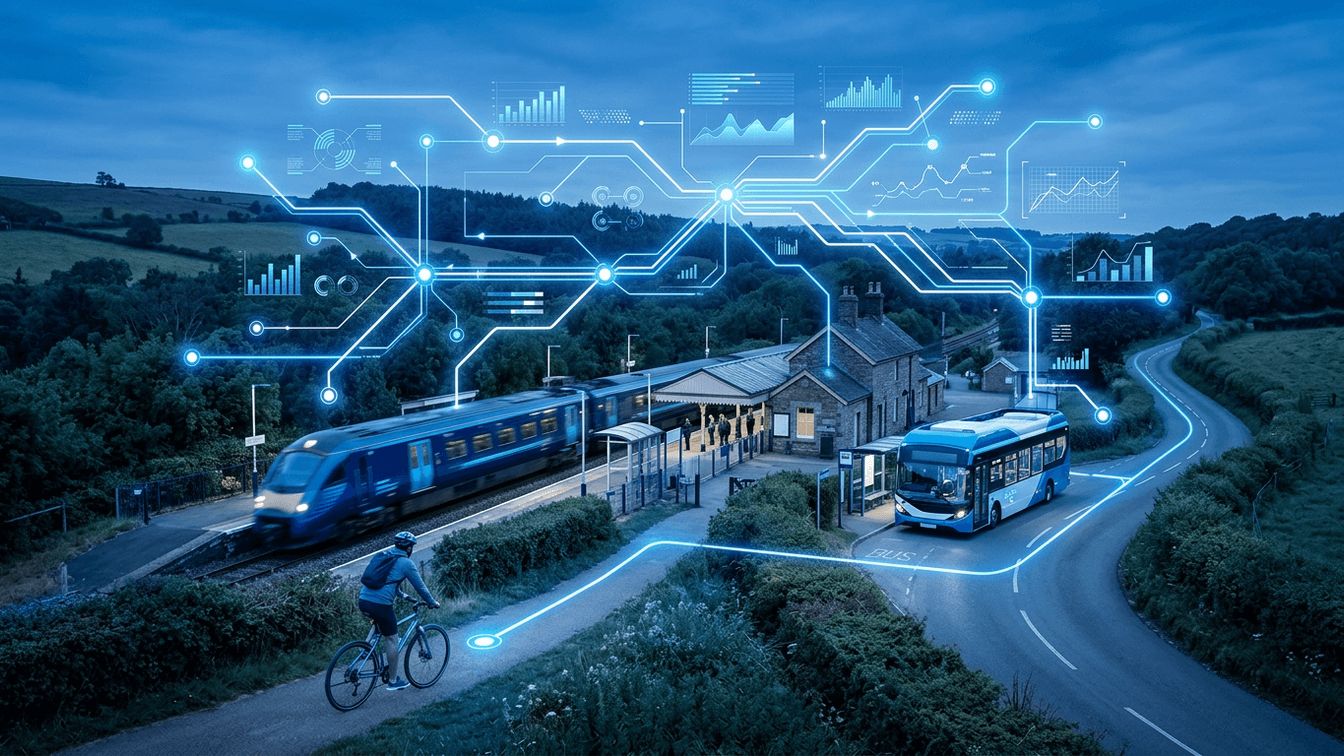
Public Transport in a Rural District
Babergh is a predominantly rural district, and public transport here works differently from a city. There is no metro or tram network, and journeys often involve combining trains, buses and community services. However, with careful planning, residents and visitors can travel between market towns, visit historic villages and reach major centres such as Ipswich, Colchester and London without a car.
This guide focuses on the services and systems that make public transit work in Babergh. Each was chosen for its importance to local connectivity, reliability, accessibility and value.
The Top 10 Public Transit Services in Babergh
1. The Gainsborough Line
Operated by Greater Anglia, the Gainsborough Line connects Sudbury with Bures, Chappel and Wakes Colne and Marks Tey, where passengers join the main line to Colchester and London. Trains run roughly hourly throughout the day, making it the backbone of car-free travel in the west of the district.
2. Great Eastern Main Line Services via Manningtree
Manningtree station, just across the Essex border, is served by frequent Greater Anglia trains to London Liverpool Street, Ipswich and Norwich. It is the most important rail gateway for East Bergholt, Brantham, Stutton and Flatford, and a popular station for commuters.
3. Sudbury to Colchester Bus Corridor
Bus services linking Sudbury with Colchester via villages such as Great Cornard, Bures and Nayland provide essential connections for work, shopping and education. Operated principally by Hedingham and Chambers, this corridor serves several communities not reached by rail.
4. Hadleigh to Ipswich Bus Services
Regular buses connect Hadleigh with Ipswich, serving villages along the A1071 including Hintlesham. For Hadleigh residents without a railway station, these routes are vital links to Ipswich's hospital, college, shops and railway station.
5. Sudbury to Bury St Edmunds Services
Routes linking Sudbury with Bury St Edmunds via Long Melford and Lavenham are among the most scenic in Suffolk. They are popular with visitors exploring the wool towns as well as residents travelling for work, shopping and hospital appointments.
6. Shotley Peninsula Bus Routes
Buses serving the Shotley Peninsula connect villages such as Holbrook, Stutton, Tattingstone and Chelmondiston with Ipswich. These services support students attending schools on the peninsula and residents commuting into town.
7. Demand-Responsive Transport
Suffolk has expanded demand-responsive services, where passengers book journeys through an app or by phone and a minibus picks them up within a defined area. This flexible model is well suited to rural Babergh, connecting smaller villages with towns, stations and main bus routes.
8. Community Transport Schemes
Community transport organisations provide dial-a-ride, minibus and volunteer car services for people who cannot easily use conventional public transport. They are essential for older and disabled residents, helping them attend medical appointments, shop and stay socially connected.
9. National Express Coaches
National Express coach services from Ipswich, Colchester and Bury St Edmunds link the region with London, major airports and cities across Britain. Coaches offer an affordable alternative to rail for long-distance journeys.
10. Suffolk On Board
Suffolk On Board is the county's public transport information service, providing timetables, maps and journey planning for buses and trains. Together with national journey planners and operator apps, it helps passengers navigate the network with confidence.
Tickets, Fares and Concessions
Rail passengers can save with railcards, advance tickets and flexible season tickets suited to hybrid working. The national bus fare cap has made single journeys more affordable, though fare levels should be checked before travel. Concessionary bus passes allow free travel for eligible older and disabled residents, and young people may qualify for discounted fares. Contactless payment is now widely accepted on buses and at stations.
Planning a Car-Free Day Out
Visitors can enjoy memorable car-free trips in Babergh. Take the train to Sudbury to visit Gainsborough's House and walk the water meadows, then catch a bus to Long Melford and Lavenham. Alternatively, travel to Manningtree and walk to Flatford Mill and Dedham along the River Stour, following in the footsteps of John Constable. Checking return times in advance is essential, as evening services can be limited.
Challenges and Improvements
Rural public transport faces challenges including low frequencies, limited evening and Sunday services and funding pressures. However, investment through bus improvement plans, the growth of demand-responsive transport and modern rail fleets have improved the experience. Better real-time information, integrated ticketing and accessible vehicles continue to make public transport more attractive.
Trends Shaping the Future
The future of public transit in Babergh is likely to feature more flexible, technology-driven services, electric buses and closer integration between bus and rail timetables. Walking and cycling links to stations are also being improved, encouraging more people to combine active travel with public transport.
Final Thoughts
Public transport in Babergh may require more planning than in a city, but it offers a relaxing and sustainable way to explore the district. From the scenic Gainsborough Line to flexible demand-responsive minibuses, these services connect communities and open up the beauty of south Suffolk to everyone.
Want your brand featured in front of decision-makers? Publish a guest post or get a link insertion in our guides through AAMAX's guest post and link insertion service.
Helpful Links
 SponsoredAAMAX — Full-Service Digital Agency
Write for Us
Share your expertise with our readers. We welcome guest contributions from industry specialists.
Pitch your idea