Understanding Public Transit in Arun
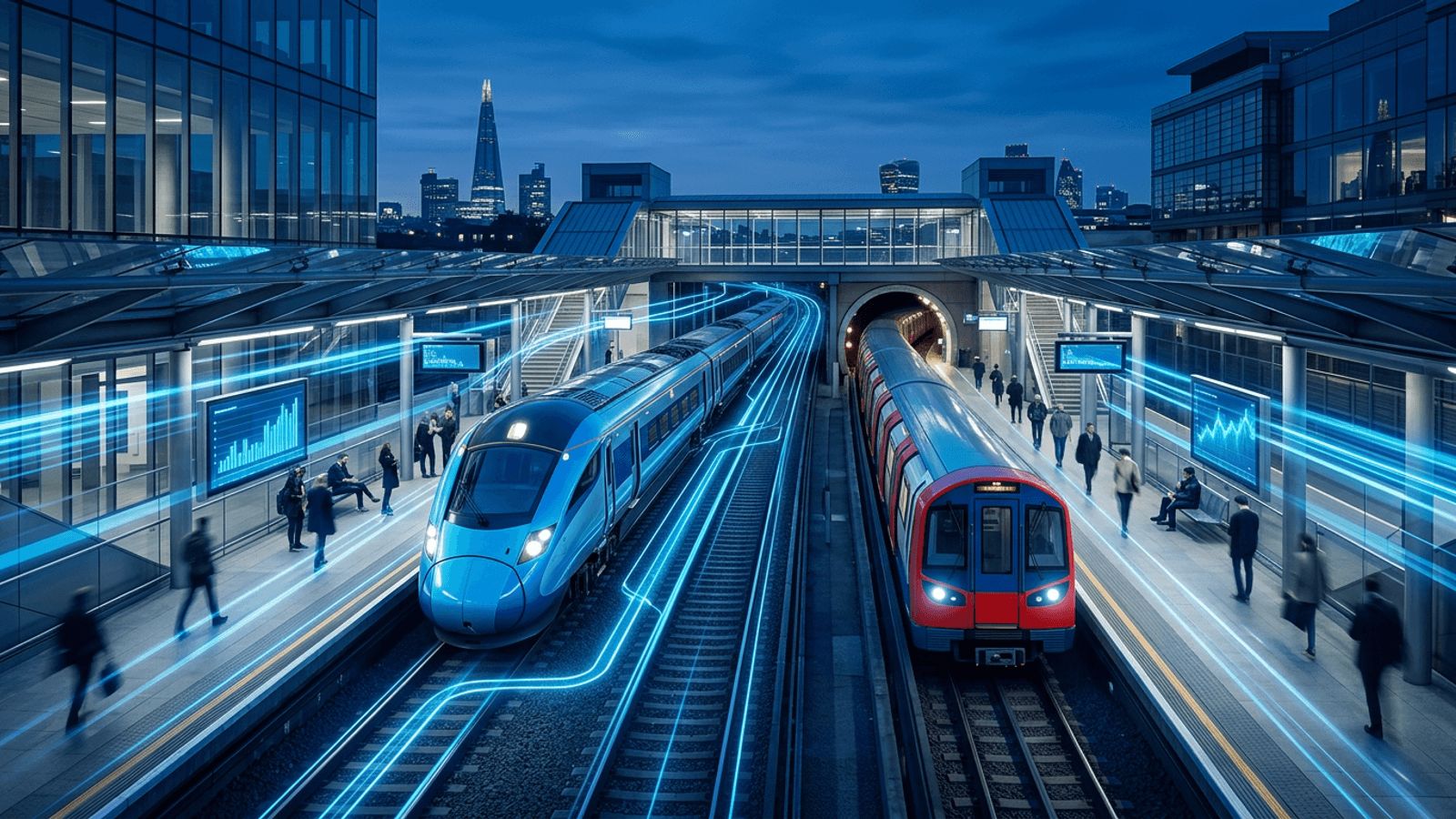
Public transit in Arun is best understood as a layered system rather than a single network. Rail provides the fast long-distance spine along the coast and north through the Arun Valley. Scheduled buses handle town and interurban movement. Community transport covers the gaps for residents whose needs or locations fall outside commercial viability. Active travel infrastructure, taxis and school transport complete the picture.
The district's demographics make this system particularly important. Arun has a higher than average proportion of older residents, many of whom rely on concessionary bus travel and accessible services for shopping, healthcare and social contact. It also has significant numbers of young people travelling to colleges in Chichester, Worthing and Brighton, and a large seasonal visitor population. Public transit therefore serves three quite different user groups with different priorities, and the services that succeed are those that manage this balance.
What Makes Public Transit Work
Frequency is the strongest predictor of whether people use public transport by choice. A service every fifteen to thirty minutes removes the need to plan around a timetable, while hourly or two-hourly services are used only when necessary. Interchange quality is the second factor: a bus that connects reliably with a train at Barnham or Littlehampton effectively doubles the reach of both.
Accessibility is essential rather than optional, covering low-floor vehicles, step-free stations, audio-visual announcements, and assistance booking. Information quality, particularly real-time updates during disruption, determines whether passengers trust the system. Affordability and fare integration influence how much people travel, with capped contactless fares and multi-operator tickets encouraging journeys that would otherwise be made by car. Finally, safety and comfort at stops and stations, including lighting, shelter and seating, have a disproportionate effect on evening and winter use.
The Top 10 Public Transit Services in Arun
1. Southern Rail Coastway and Arun Valley services form the backbone of the district's transit, linking Bognor Regis, Barnham, Ford, Littlehampton and Angmering along the coast and Arundel northward towards Horsham, Gatwick and London. For commuters and long-distance travellers this is the fastest and most capacity-rich option available.
2. Stagecoach South local bus network provides the highest-frequency road-based services in the district, connecting town centres, residential areas, retail parks, hospitals and schools. Contactless payment, daily fare capping and real-time tracking make it straightforward for occasional users as well as regular commuters.
3. Compass Travel local and supported services extend coverage into villages and estates that would otherwise have no public transport. These routes are frequently the difference between independence and isolation for residents without a car, and their continuation reflects genuine long-term commitment.
4. Metrobus interurban services connect the district towards Crawley, Gatwick and the Sussex interior, serving airport workers and commuters heading inland. Well-maintained vehicles and consistent timekeeping make them a dependable option for longer road journeys.
5. Thameslink and Gatwick connections allow Arun passengers to reach the airport and cross-London destinations with a single change, effectively extending the district's transit network far beyond Sussex. This connectivity underpins much of the area's appeal to hybrid workers.
6. West Sussex County Council supported bus network is not an operator but the commissioning framework that keeps socially necessary routes running. Its tendering decisions determine evening, Sunday and rural service levels across Arun, making it one of the most influential bodies in local transport.
7. Arun Community Minibus and Dial-a-Ride schemes deliver door-to-door accessible transport for residents who cannot use conventional buses. Wheelchair-accessible vehicles, trained volunteer drivers and flexible booking make shopping trips, medical appointments and social activities possible for many older residents.
8. Littlehampton and Bognor Regis taxi and private hire services function as an important part of the transit mix, particularly for evening travel, station transfers and journeys that no scheduled service covers. Licensed local firms with wheelchair-accessible vehicles fill a genuine accessibility gap.
9. National Express and long-distance coach services provide affordable intercity links from the coast to London, the airports and cities beyond. Reserved seating and luggage capacity make them the practical choice for airport transfers and student travel.
10. Littlehampton Harbour Ferry and coastal active travel links represent the smaller-scale services that add real character and utility, connecting both sides of the River Arun for pedestrians and cyclists and linking into the promenade and cycle route network. In summer these crossings and paths carry substantial local and visitor traffic.
Trends in Local Public Transport
Contactless capped fares are steadily replacing complex ticket ranges, making occasional travel far simpler. Demand-responsive transport pilots are being explored in low-density areas as a more efficient alternative to fixed rural timetables. Fleet electrification is progressing, supported by depot charging investment. Integration between modes is improving through combined journey planning and better bus-rail connections. There is also growing recognition that safe cycling and walking infrastructure is part of public transport rather than separate from it, since most transit journeys begin and end on foot.
Making the Most of the Network
Use a journey planner that combines bus and rail rather than checking each separately, as the best route often mixes modes. Look into multi-operator and regional day tickets if your trip involves more than one company. Older and eligible disabled residents should ensure they hold a concessionary pass, which transforms the affordability of local travel. Check for engineering work before weekend rail journeys, and allow extra margin at interchange points where services are half-hourly. Where scheduled services do not reach, community transport is often available with advance booking and is far cheaper than assuming a taxi is the only option.
Want your brand featured in front of decision-makers? Publish a guest post or get a link insertion in our guides through AAMAX's guest post and link insertion service.
Helpful Links
 SponsoredAAMAX — Full-Service Digital Agency
Write for Us
Share your expertise with our readers. We welcome guest contributions from industry specialists.
Pitch your idea