Public Transport in a World Heritage District
Bath and North East Somerset presents an unusual transport problem. At its centre sits a compact UNESCO World Heritage city whose Georgian street pattern simply cannot absorb modern traffic volumes, surrounded by steep hills that constrain expansion in every direction. Beyond the city lie Keynsham, Midsomer Norton, Radstock, Saltford and a scattering of villages across the Chew Valley and the northern Mendips, many of them well outside comfortable walking distance of any frequent service. The district also draws several million visitors a year, most arriving without a car.
The policy response has been to prioritise movement without private vehicles. Bath's Clean Air Zone charges the most polluting vehicles entering the centre, extensive pedestrianisation protects the historic core, park-and-ride sites intercept car journeys on the approaches, and bus priority measures have been introduced on key corridors. For residents, students, commuters and visitors alike, understanding the available transit options is now a practical necessity rather than an environmental preference.
How the Network Fits Together
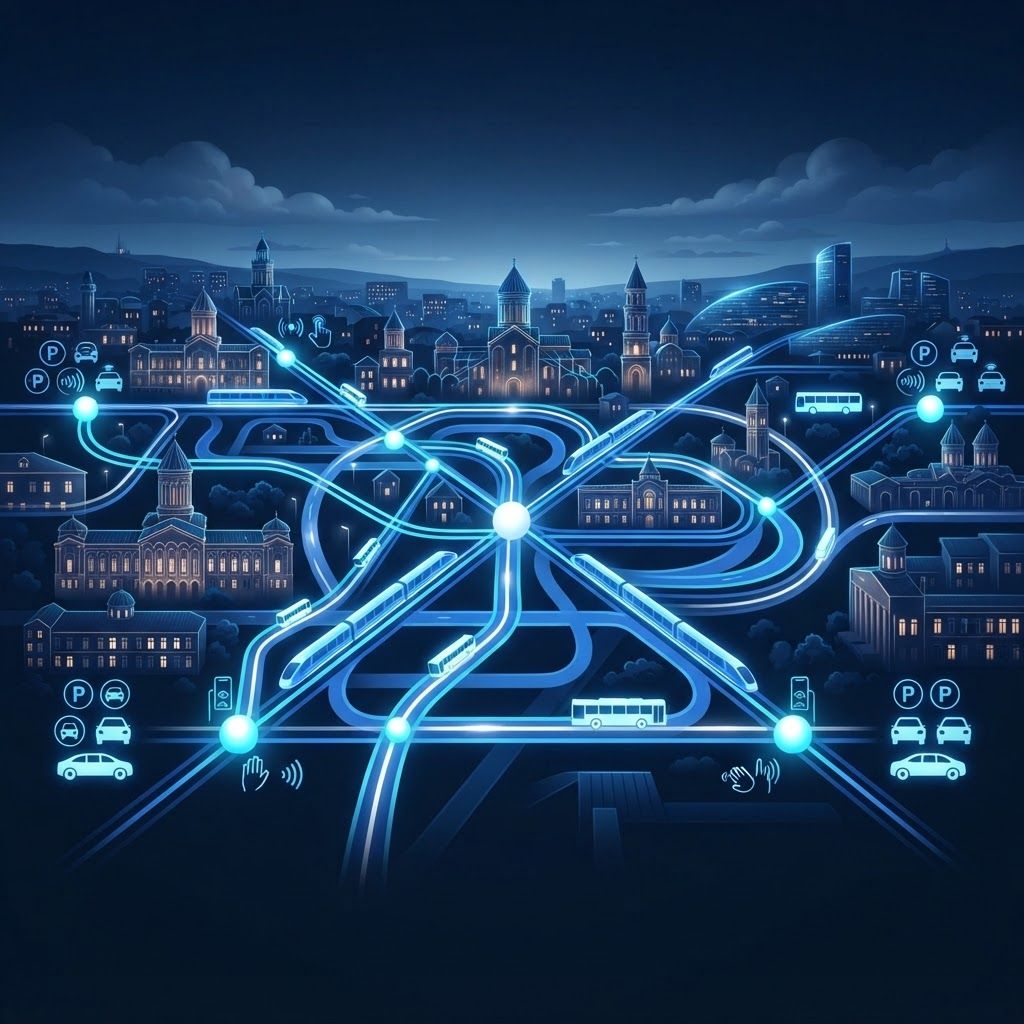
The district's public transport works as several overlapping layers. Rail provides fast, high-capacity movement along the Avon valley corridor between Bath, Keynsham, Bristol, Chippenham and London. Urban and interurban buses handle city circulation and connections to the market towns. Park-and-ride services capture inbound car traffic at the edge. Community and demand-responsive transport fills gaps in villages where a timetabled bus cannot be justified. Active travel infrastructure, including the Bristol and Bath Railway Path, carries a surprising share of commuter journeys. Taxis and private hire provide the final link, especially late at night.
Top 10 Best Public Transit Services in Bath and North East Somerset
1. Great Western Railway
GWR is the backbone of longer-distance travel in the district. Bath Spa station sits on the Bristol to London Paddington main line, giving fast direct services to the capital, Reading, Swindon and Chippenham eastbound and Bristol Temple Meads and South Wales westbound. Keynsham and Oldfield Park stations provide valuable local stops on the same corridor. Electrostar and Intercity Express units offer high capacity, and integrated ticketing with connecting bus services is available on many journeys.
2. First West of England Bus Services
First operates the majority of the district's core bus network, including high-frequency city routes in Bath and interurban links towards Bristol, Keynsham, Midsomer Norton and Radstock. Contactless tap-on payment, capped daily fares, real-time tracking through its app and a steadily growing electric and biomethane fleet have improved the passenger experience considerably. For most residents this is the service used daily.
3. Bath Park and Ride Network
Three principal park-and-ride sites at Lansdown, Newbridge and Odd Down intercept traffic on the main approaches to the city. Frequent dedicated buses run into the centre, with a combined parking and travel charge that undercuts city-centre parking substantially. For commuters from rural areas without a bus service, and for visitors arriving by car, this is the most practical way to avoid both the Clean Air Zone and the near-impossible task of parking in the historic core.
4. Faresaver Buses
An independent Wiltshire-based operator running valuable cross-boundary services linking Bath with Chippenham, Corsham, Melksham and surrounding communities. Faresaver serves corridors that larger operators have found commercially difficult, and its routes are often the only public transport option for villages on the district's eastern edge. Reliability and driver familiarity with regular passengers are frequently praised.
5. Stagecoach West
Stagecoach operates services connecting the wider Cotswolds, Gloucestershire and north Wiltshire area with the Bath region. Its network extends the reach of the district's transit for travel towards Stroud, Cirencester and beyond, and its multi-operator ticketing arrangements make longer regional journeys more manageable than they once were.
6. National Express Coach Services
For long-distance travel at low cost, National Express coaches serve Bath from a city-centre coach station with connections to London, Heathrow and Gatwick airports, Birmingham, Manchester and much of the national network. Direct airport coaches are particularly valued, since they remove the need for multiple rail changes with luggage and often run through the night.
7. Megabus
Megabus offers a genuinely budget option on intercity coach corridors serving Bath, with advance fares that can be remarkably low. Journey times are longer than rail and comfort is basic, but for students and price-sensitive travellers heading to London or the Midlands the value is difficult to argue with.
8. Community Transport and Dial-a-Ride Schemes
Volunteer-supported community transport is essential in the district's rural areas. Dial-a-ride and community car schemes provide door-to-door journeys for older residents, people with disabilities and those in villages with no commercial service, typically for medical appointments, shopping and social activities. Accessible vehicles, trained volunteer drivers and pre-booked flexible routing make these schemes a lifeline rather than a convenience.
9. Bristol and Bath Railway Path and Active Travel Network
Although not a bus or train, the traffic-free railway path between Bath and Bristol functions as serious transport infrastructure, carrying a substantial volume of commuter cycling and walking along a flat, well-surfaced former railway alignment. Combined with the towpath along the Kennet and Avon Canal and improving on-road cycle provision, active travel is a realistic daily option for a large share of the district's population, particularly with electric bikes flattening Bath's hills.
10. Local Taxi and Private Hire Operators
Licensed taxi and private hire firms complete the network, covering the periods and places where scheduled services cannot. They matter most for late-night travel after buses stop, for journeys to and from rural addresses, for passengers with mobility needs and heavy luggage, and for rail replacement in disruption. App-based booking, card payment and wheelchair-accessible vehicles are increasingly standard across the district's licensed fleet.
Trends and Developments
Fleet decarbonisation is the most visible change, with electric and biomethane buses progressively replacing older diesels, driven partly by the Clean Air Zone. Fares reform has helped too: contactless tap-on-tap-off with automatic daily and weekly capping removes the guesswork that previously deterred occasional users. Digital information has matured, with reliable real-time arrival data and journey planning across operators. Demand-responsive transport pilots are being explored for low-density rural areas where fixed timetables fail. And bus priority infrastructure on key corridors is gradually improving journey time reliability, which research consistently shows matters more to passengers than raw speed.
Making the Network Work for You
Use a multi-operator or capped contactless product rather than buying single tickets if you travel more than twice in a day. Check real-time information before travelling, particularly on rural routes where services can be sparse and a missed connection is costly. Consider combining modes: rail to Keynsham or Oldfield Park then bus or bike is frequently faster than a single-mode journey. If you must drive, target the park-and-ride sites rather than the city centre. And for regular rural travel, investigate whether a community transport scheme covers your village before assuming no service exists.
Conclusion
Public transport in Bath and North East Somerset is stronger than its geography would suggest, combining a fast main-line rail corridor, a substantial and increasingly clean bus network, effective park-and-ride interception, genuine active travel infrastructure and volunteer-run services reaching the villages. The network rewards passengers who plan across modes and use capped contactless payment. For a district balancing heritage protection, air quality and rural access, this layered approach remains the most realistic way to keep people moving.
Want your brand featured in front of decision-makers? Publish a guest post or get a link insertion in our guides through AAMAX's guest post and link insertion service.
Helpful Links
 SponsoredAAMAX — Full-Service Digital Agency
Write for Us
Share your expertise with our readers. We welcome guest contributions from industry specialists.
Pitch your idea