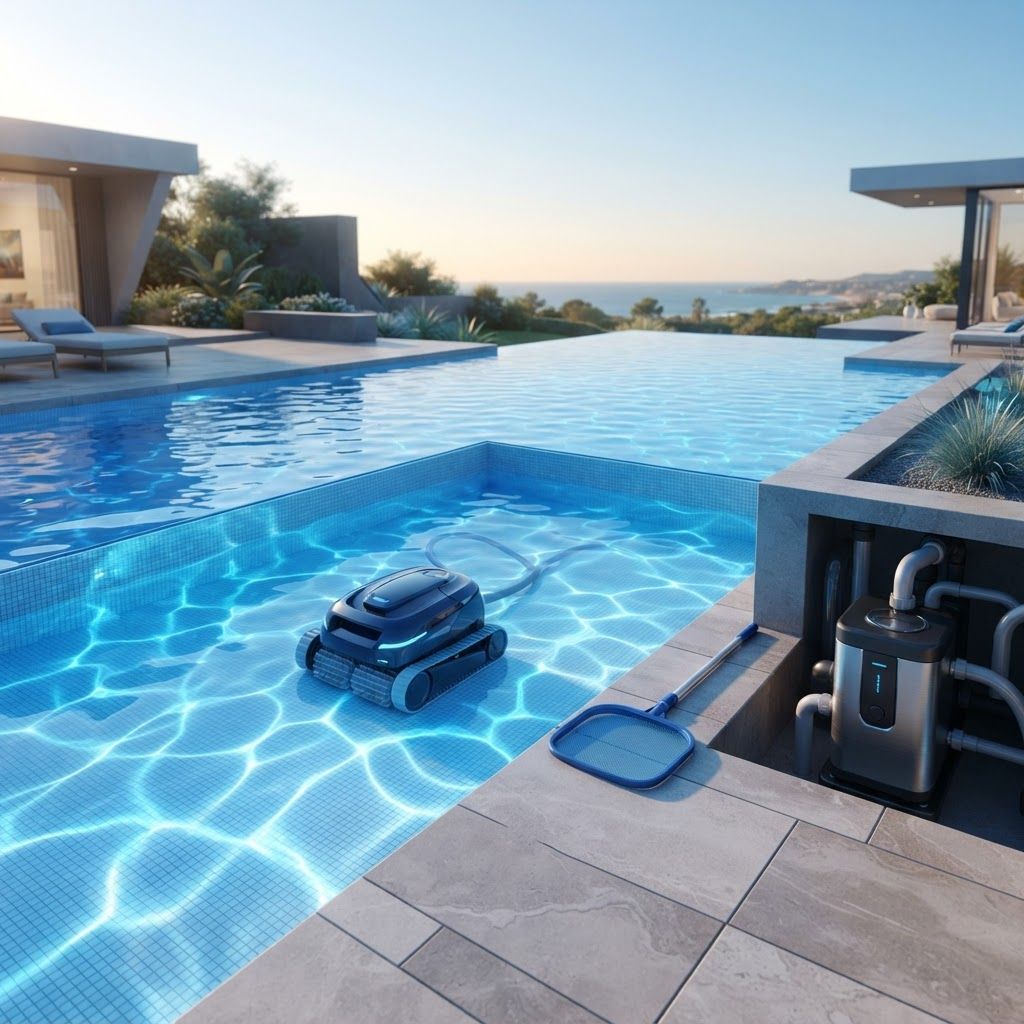
Pools in a British Climate
Swimming pools in East Staffordshire divide into distinct categories, each with different maintenance demands. Indoor domestic pools, found in larger properties around Rolleston on Dove, Barton under Needwood and the rural fringes toward Abbots Bromley, operate year-round and depend heavily on air handling as much as water treatment. Outdoor pools are typically seasonal, opening in late spring and closing in early autumn, with winterisation as a critical annual task. Hot tubs and swim spas have proliferated enormously and, despite their smaller volume, demand the most frequent attention of all.
Commercial pools at leisure facilities, hotels and schools operate under a separate and much stricter regulatory framework, requiring documented water testing, trained operators and compliance with recognised industry guidance on pool water treatment.
The British climate adds its own complications. Cool ambient temperatures mean high heating costs, making covers and heat retention central to running economics. Heavy rainfall dilutes chemistry and raises water levels. Autumn leaf fall loads filtration. And long periods of low use encourage biofilm development in pipework if circulation is not maintained.
What Professional Pool Maintenance Involves
Water chemistry management is the technical core of the service. It extends well beyond chlorine level. Key parameters include free and combined chlorine, pH, total alkalinity, calcium hardness, cyanuric acid where stabilised chlorine is used, and total dissolved solids.
pH deserves particular emphasis because it governs the effectiveness of chlorine. At elevated pH, sanitiser efficacy drops sharply, meaning a pool can show an apparently adequate chlorine reading while disinfecting poorly. Total alkalinity buffers pH against swings, and calcium hardness protects surfaces and equipment — soft water is aggressive to plaster and grout, while excessive hardness causes scale. In East Staffordshire's hard water area, calcium management is a recurring consideration.
Combined chlorine, or chloramines, is responsible for the harsh smell and eye irritation wrongly attributed to too much chlorine. It actually indicates insufficient sanitisation relative to bather load, and is resolved by shock dosing rather than reducing chlorine.
Physical cleaning includes brushing walls and floor, vacuuming, skimming the surface, cleaning the waterline tile band, emptying skimmer and pump baskets, and cleaning the cover.
Filtration servicing covers backwashing sand filters, replacing filter media periodically, cleaning cartridge elements and checking flow rates. Filtration run time is frequently set too low; most residential pools benefit from turning the full volume over several times daily.
Equipment inspection assesses pumps, heaters, heat pumps, dosing systems, UV or ozone secondary disinfection, pipework, valves and lighting.
Seasonal opening and closing is a significant service for outdoor pools. Winterisation involves chemical balancing, lowering water level appropriately, draining vulnerable pipework, adding winter chemicals, fitting a winter cover and using float devices to absorb ice expansion.
Hot Tub Servicing as a Distinct Discipline
Hot tubs concentrate risk. A small water volume at high temperature with a heavy bather load per litre creates ideal conditions for bacterial growth if chemistry lapses even briefly. Legionella risk is real and well documented in poorly maintained spas.
Professional hot tub servicing includes full drain-down and refill at recommended intervals, pipework flushing to remove biofilm, filter cleaning and replacement, cover inspection, and chemistry setup. Many owners underestimate how quickly a spa can deteriorate during a fortnight away, which is why professional servicing contracts have become popular.
Energy Efficiency and Running Costs
Heating dominates pool running costs, and several measures meaningfully reduce them. A good quality cover is the single most effective intervention, since evaporation accounts for the majority of heat loss from an uncovered pool. Insulated covers and automatic roller systems improve the likelihood of consistent use.
Air source heat pumps have largely replaced direct electric and, in many cases, gas heating for pools. They deliver multiple units of heat per unit of electricity consumed and suit the steady low-temperature demand of pool heating particularly well.
Variable speed circulation pumps offer substantial savings because running a pump at lower speed for longer uses dramatically less energy than short bursts at full speed, while also improving filtration effectiveness.
For indoor pools, dehumidification with heat recovery is essential both for energy and for protecting the building fabric. Uncontrolled humidity in a pool hall causes condensation, corrosion and structural damage over time.
Choosing a Pool Service Provider
Look for technicians with recognised pool industry training and, for commercial work, qualifications in pool plant operation. Membership of a relevant trade association indicates commitment to industry standards.
Ask what a routine visit actually includes, and request written test results after each service so you can track trends rather than receiving a verbal reassurance. Reputable providers leave a log recording readings, chemicals added and any observations.
Establish chemical supply arrangements, response times for breakdowns, and whether the company services your specific equipment brands. Heaters, dosing systems and control panels vary considerably, and familiarity speeds diagnosis.
Check insurance and confirm safe chemical handling practice. Pool chemicals are hazardous, and incompatible products stored or mixed incorrectly present genuine danger.
Owner Responsibilities Between Visits
Even with a service contract, owners have a role. Test water between visits, particularly after heavy use or rainfall. Keep skimmer baskets clear. Rinse off before entering to reduce the organic load from sun cream, cosmetics and perspiration that consumes sanitiser. Maintain correct water level so the skimmer functions properly.
Keep records. A simple log of readings, chemicals added and service visits makes fault diagnosis far quicker and provides evidence of proper management, which matters considerably for any pool used by people other than the immediate household.
Well-maintained pools and spas are a genuine pleasure and add real value to a property. Neglected ones become expensive problems very quickly, which is why consistent professional servicing almost always proves cheaper than the remedial work that follows a season of inattention.
Want your brand featured in front of decision-makers? Publish a guest post or get a link insertion in our guides through AAMAX's guest post and link insertion service.
Helpful Links
 SponsoredAAMAX — Full-Service Digital Agency
Write for Us
Share your expertise with our readers. We welcome guest contributions from industry specialists.
Pitch your idea