Plastics as a Precision Industry
Plastics have a complicated public reputation, but within manufacturing they remain indispensable. Medical devices, electrical enclosures, automotive components, food packaging, laboratory equipment and countless industrial parts depend on polymer materials that are lighter, cheaper and often more durable than the alternatives.
In Worthing, plastic manufacturing is a technically serious industry. The businesses involved operate injection moulding machines, vacuum forming equipment, computer-controlled routers and fabrication workshops. They work to tight tolerances, manage complex material specifications and increasingly focus on recycled content and recyclable design.
Processes Used by Local Manufacturers
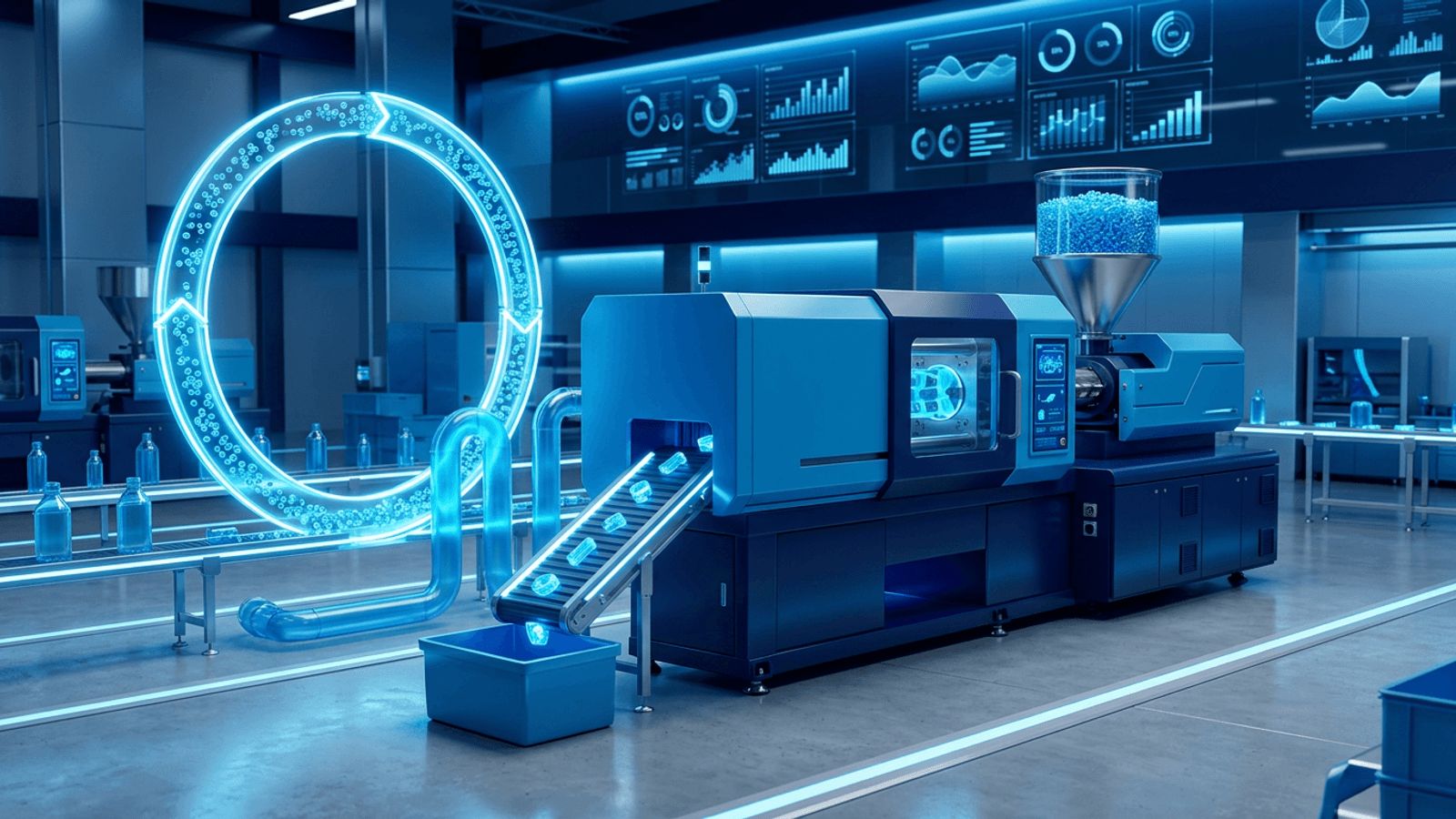
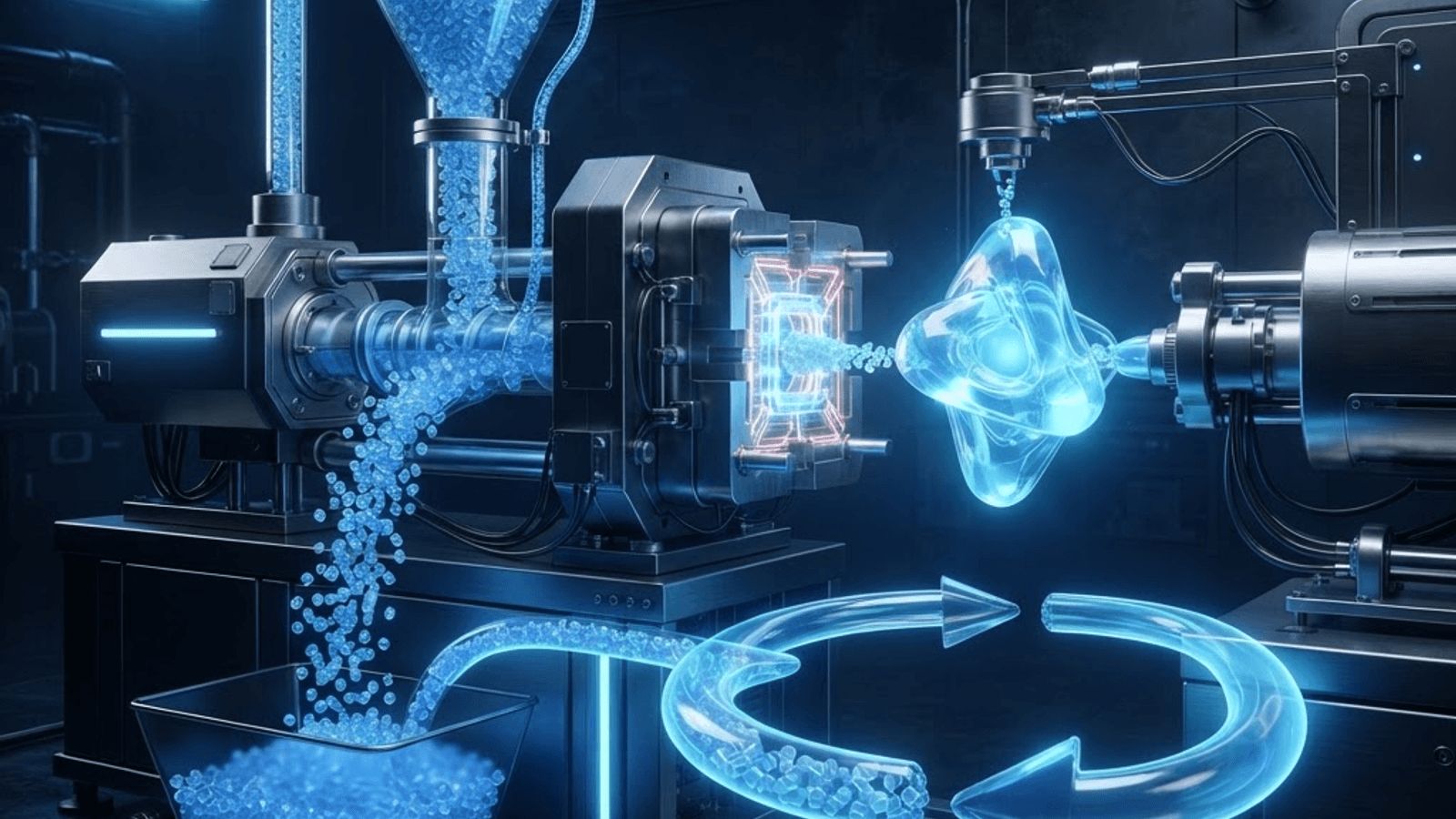
Injection moulding is the highest volume process, forcing molten polymer into a steel tool to produce identical parts rapidly. It requires substantial tooling investment but delivers very low unit costs at volume.
Vacuum forming and thermoforming heat a plastic sheet and draw it over a mould, suiting larger, simpler shapes with far lower tooling costs. Plastic fabrication involves cutting, bending, welding and bonding sheet material to produce enclosures, guards, display units and tanks.
Computer-controlled machining produces precise parts from solid plastic stock, ideal for prototypes and low volumes. Extrusion produces continuous profiles, tubes and sheets. Finally, recycling and reprocessing converts waste polymer into usable material, an area of rapid growth.
Top 10 Best Plastic Manufacturers in Worthing
1. Southdown Injection Moulding — A moulding business producing technical components for electrical, medical and industrial customers. Known for tooling expertise, dimensional consistency and thorough first article inspection.
2. Coastline Plastic Fabrication — Specialists in fabricated acrylic, polycarbonate and polypropylene products including machine guards, enclosures, display units and tanks. Valued for clean welding and polished edge finishing.
3. Worthing Vacuum Forming — Producing thermoformed trays, covers, panels and packaging with comparatively low tooling costs, making it a practical option for medium volumes and larger parts.
4. Highdown Technical Polymers — Machining engineering plastics such as acetal, nylon and high performance polymers into precision components for machinery, food equipment and laboratory apparatus.
5. Adur Recycled Plastics — Focused on reprocessing polymer waste into usable feedstock and producing products from recycled content, with clear documentation of recycled percentages for clients with sustainability targets.
6. Sussex Medical Plastics — Manufacturing plastic components for medical and laboratory applications under controlled conditions, with the documentation and traceability that regulated sectors require.
7. Channel Coast Extrusions — Producing extruded profiles, tubing and sheet for construction, signage and industrial customers, including bespoke die development for custom profiles.
8. Ferring Packaging Plastics — Supplying and manufacturing containers, closures and protective packaging, with growing emphasis on mono-material designs that are genuinely recyclable.
9. Chanctonbury Composite Mouldings — Working with glass reinforced plastics and composites for marine, architectural and industrial applications where strength-to-weight ratio is critical.
10. Goring Rapid Prototyping — Providing additive manufacturing, vacuum casting and low volume plastic production, bridging the gap between design concept and tooled production.
Trends Reshaping the Plastics Industry
Recycled content requirements are the most significant commercial driver. Packaging regulations and corporate sustainability commitments have created strong demand for materials with verified recycled content, and manufacturers who can supply and document this hold a clear advantage.
Design for recyclability is changing product engineering. Multi-material assemblies that cannot be separated are being replaced by mono-material designs, adhesive-free construction and simplified colour palettes that improve recyclate quality.
Bio-based polymers are maturing. Materials derived from plant feedstocks now offer performance suitable for many applications, though the industry remains appropriately cautious about claims regarding compostability, which often depends on industrial conditions unavailable to most consumers.
Lightweighting continues, reducing material use per part while maintaining strength through improved geometry and simulation-led design.
Automation and digital process control are improving consistency. Modern moulding machines monitor pressure, temperature and cycle parameters continuously, catching drift before defective parts are produced.
Choosing a Plastic Manufacturer
Begin with process selection. The right process depends on volume, part size, tolerance and budget. A good manufacturer will advise honestly, sometimes recommending a different process than you assumed, or even a different supplier better suited to the job.
Understand tooling costs and ownership. Injection mould tooling represents a substantial upfront investment. Clarify who owns the tool, where it is stored, and whether you can move it to another manufacturer if needed.
Discuss material selection carefully. Polymer choice affects strength, chemical resistance, temperature tolerance, ultraviolet stability and food contact suitability. For outdoor or coastal applications near Worthing, ultraviolet stabilisation is particularly important.
Review quality control procedures. Ask about dimensional inspection, material certification and how non-conforming parts are handled.
Check sustainability credentials with appropriate scepticism. Ask for specific recycled content percentages, material certifications and waste management arrangements rather than accepting general statements.
Finally, consider design support. Manufacturers who review your design for manufacturability before tooling can save substantial cost by identifying problems such as inadequate draft angles, thick sections or difficult undercuts early.
Plastics and Environmental Responsibility
The environmental conversation around plastics deserves nuance. Plastic is frequently the lower impact choice when full lifecycle effects are considered, particularly where lightweight components reduce transport emissions or where alternatives require far more energy to produce. The genuine problem is single-use products and poor end-of-life management rather than the material itself.
Responsible manufacturers around Worthing are addressing this directly through recycled feedstock, regrind of production waste, design for disassembly and take-back arrangements with commercial customers.
Conclusion
Plastic manufacturing in Worthing is a capable, technically sophisticated sector serving medical, industrial, marine, packaging and construction markets. The local businesses offer injection moulding, fabrication, thermoforming, machining and recycling, often with valuable design input at the earliest stages of a project. Engage them early, be clear about volumes and performance requirements, and expect genuine engineering advice rather than simply a quotation.
Want your brand featured in front of decision-makers? Publish a guest post or get a link insertion in our guides through AAMAX's guest post and link insertion service.
Helpful Links
 SponsoredAAMAX — Full-Service Digital Agency
Write for Us
Share your expertise with our readers. We welcome guest contributions from industry specialists.
Pitch your idea