Plastics Manufacturing in the Region
Few materials are as widely misunderstood as plastic. Public conversation tends to focus on packaging waste, yet polymers are indispensable to modern medicine, transport safety, food preservation, construction and electronics. The challenge facing the industry is not to eliminate plastics but to use them intelligently, design them for recovery and stop treating durable materials as disposable.
Around Tunbridge Wells, a cluster of plastics businesses is engaging with exactly that challenge. The sector here spans injection moulding, vacuum forming, acrylic fabrication, extrusion, rotational moulding and polymer recycling. These firms supply medical device makers, packaging clients, retailers needing point of sale displays, construction contractors and engineering companies requiring corrosion resistant components.
Understanding Plastic Manufacturing Processes
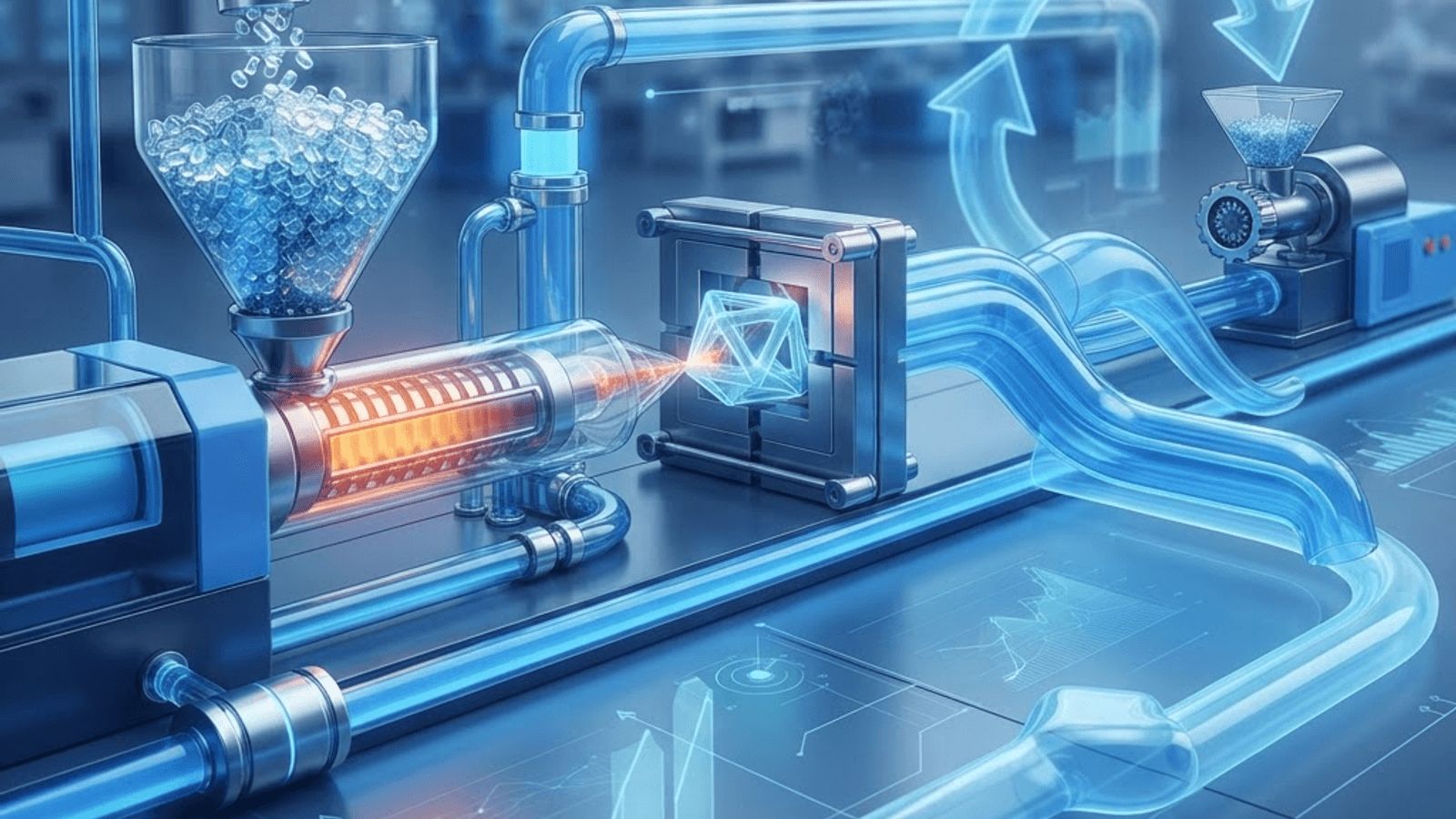
Different products demand different processes, and choosing correctly has a decisive effect on cost and quality. Injection moulding suits high volume production of complex parts but requires substantial tooling investment, making it uneconomical below certain quantities. Vacuum forming produces large, relatively simple shapes with much cheaper tooling, ideal for medium volumes.
Extrusion creates continuous profiles such as pipes, trims and sheet. Rotational moulding produces large hollow items like tanks and containers. Fabrication, which involves cutting, bending and bonding sheet material, suits one offs and small batches where tooling could never be justified.
A knowledgeable manufacturer will guide you towards the appropriate process rather than simply quoting for whichever method they happen to operate.
The Top 10 Plastic Manufacturers
1. Weald Plastics Engineering operates injection moulding cells producing technical components for medical, automotive and industrial customers. In house toolmaking capability gives it strong control over quality and lead times.
2. Kent Acrylic Fabrication cuts, bends, polishes and bonds acrylic and polycarbonate sheet into displays, screens, enclosures and signage, serving retailers, museums and exhibition contractors across the South East.
3. Pantiles Vacuum Forming produces trays, covers, machine guards and packaging inserts, offering a cost effective route to medium volume production without heavy tooling expenditure.
4. Southborough Polymer Solutions focuses on technical and engineering plastics, machining components from materials selected for wear resistance, chemical compatibility or electrical insulation properties.
5. High Weald Recycled Plastics takes post industrial and post consumer waste and reprocesses it into new products including outdoor furniture, decking, fencing and construction boards, closing the loop locally.
6. Calverley Extrusions manufactures continuous profiles, tubing and edging for construction, retail fit out and industrial applications, with custom die making for bespoke section shapes.
7. Rusthall Medical Plastics works to the exacting cleanliness and documentation standards demanded by healthcare, producing components and assemblies under controlled conditions with full traceability.
8. Bidborough Rotational Moulding produces large hollow items such as water tanks, chemical containers, planters and street furniture, with the durability and impact resistance rotomoulding delivers.
9. Tunbridge Tooling and Moulds supports the wider industry by designing and manufacturing injection moulds and forming tools, including modification and refurbishment of existing tooling.
10. Weald Packaging Plastics supplies protective and presentation packaging, increasingly focused on mono material designs and reduced material usage to improve recyclability.
Sustainability and the Circular Economy
No industry faces more intense sustainability scrutiny than plastics, and the sector's response has accelerated markedly. Design for recyclability has become a primary objective, which in practice means avoiding multi material laminates that cannot be separated, eliminating problematic additives and colourants, and choosing polymers with established recycling streams.
Recycled content is now widely specified. Regulatory measures that impose charges on packaging containing insufficient recycled material have created powerful commercial incentives, and manufacturers who invested early in recycled feedstock capability now hold a clear advantage.
Lightweighting continues to deliver quiet environmental wins. Reducing the wall thickness of a moulded part while maintaining strength cuts material consumption, energy use in production and transport emissions simultaneously.
Perhaps most importantly, the industry is rethinking product lifespan. Designing components for durability and repair, rather than replacement, changes the environmental calculation entirely.
Benefits of Local Plastics Manufacturing
For businesses in and around Tunbridge Wells, working with a regional plastics manufacturer offers significant practical advantages. Prototyping and iteration happen far faster when you can visit the factory, examine samples and discuss modifications directly.
Tooling remains accessible rather than sitting on another continent, which matters enormously if a mould needs modification or repair. Lead times shorten, minimum order quantities are usually lower, and transport costs and emissions fall.
For customers with sustainability commitments, local manufacture also makes supply chain claims genuinely verifiable rather than dependent on distant third party assurances.
How to Select a Plastics Partner
Start by discussing your application rather than requesting a specific process. Explain the function, environment, expected volume, cosmetic requirements and budget, and let the manufacturer recommend an approach.
Ask about material selection expertise. Polymer choice has enormous implications for performance, cost and recyclability, and a supplier with genuine materials knowledge adds substantial value here.
Clarify tooling ownership and costs upfront, along with expected tool life and maintenance responsibility. Review quality control procedures, particularly dimensional inspection, and confirm the manufacturer can meet any regulatory requirements relevant to your sector.
Conclusion
Plastics manufacturing around Tunbridge Wells is a technically sophisticated sector adapting rapidly to environmental expectations. The companies profiled here combine process expertise with a growing commitment to circular design, offering local businesses reliable access to components and products made responsibly and close to home.
Want your brand featured in front of decision-makers? Publish a guest post or get a link insertion in our guides through AAMAX's guest post and link insertion service.
Helpful Links
 SponsoredAAMAX — Full-Service Digital Agency
Write for Us
Share your expertise with our readers. We welcome guest contributions from industry specialists.
Pitch your idea