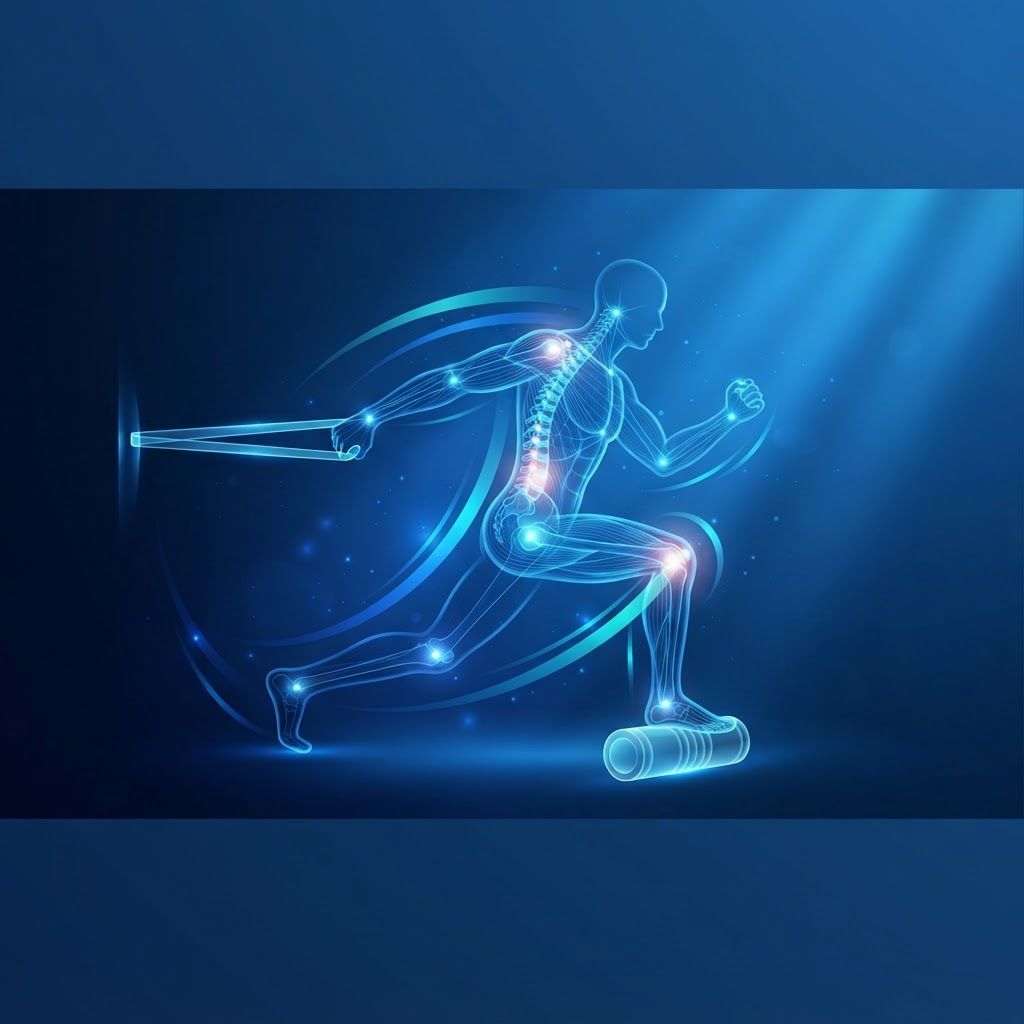
Physiotherapy as a First-Line Treatment
Physiotherapy has moved from being an adjunct to surgery to being, for many conditions, the primary treatment. Evidence for several common musculoskeletal problems now favours structured exercise-based rehabilitation over operative intervention, and referral pathways increasingly reflect that. In a borough with high participation in running, cycling, tennis, pilates and gym training, demand for competent physiotherapy is substantial.
Kensington and Chelsea also has a large population of desk-based professionals with postural and overuse complaints, an ageing cohort managing osteoarthritis and joint replacement recovery, and dancers and performers associated with the area's cultural institutions. Each group needs a different clinical emphasis, which is why the borough supports such a range of specialist practices.
Ten Physiotherapy Centres in the Borough
1. Chelsea Physiotherapy Clinic. A well-established musculoskeletal practice treating back pain, neck pain, shoulder problems and sports injury, with an emphasis on hands-on assessment combined with progressive exercise prescription.
2. Kensington Sports Injury Centre. Focused on athletic populations, offering biomechanical assessment, running gait analysis, strength and conditioning integration and structured return-to-sport pathways after injury.
3. South Kensington Rehabilitation Practice. Specialising in post-surgical recovery, particularly after joint replacement, ligament reconstruction and spinal surgery, working to protocols agreed with referring surgeons.
4. Notting Hill Physio and Pilates. Combining one-to-one physiotherapy with clinical pilates using reformer equipment, which suits patients needing controlled loading for spinal conditions and core stability deficits.
5. Brompton Neurological Physiotherapy. Treating patients with stroke, multiple sclerosis, Parkinson's disease and other neurological conditions, focusing on balance, gait retraining and functional independence.
6. Sloane Square Manual Therapy. A hands-on practice using joint mobilisation, soft tissue techniques and dry needling alongside exercise, favoured by patients who respond well to manual intervention.
7. Holland Park Women's Health Physiotherapy. Specialising in pelvic floor rehabilitation, pregnancy-related musculoskeletal pain and postnatal recovery, an area of growing recognition and demand.
8. Earl's Court Community Physiotherapy. Providing accessible NHS and lower-cost physiotherapy for the local population, including group rehabilitation classes for arthritis and falls prevention.
9. Royal Borough Hand Therapy. A specialist upper limb service treating hand and wrist injury, tendon conditions, post-fracture stiffness and repetitive strain, often with custom splinting.
10. Cromwell Road Pain Management Physiotherapy. Focused on persistent pain using graded exposure, pacing strategies and pain education alongside movement therapy, often working with psychology colleagues.
What Good Physiotherapy Looks Like
A first appointment should involve a detailed history, physical examination, functional testing and a clear explanation of the likely diagnosis. Crucially, it should produce a plan with defined goals and a realistic timeframe rather than an open-ended series of appointments.
Treatment should include an active component. Manual therapy, massage and electrotherapy can relieve symptoms in the short term, but lasting improvement in most musculoskeletal conditions comes from progressive loading that strengthens tissue and restores capacity. A practice that offers only passive treatment is unlikely to produce durable results.
Home exercise prescription is central. The best clinicians prescribe few exercises, explain precisely why each one matters, and adjust them at each review based on progress. A sheet of twenty generic exercises handed over without explanation rarely gets done.
How Evidence Has Changed Practice
Several long-held assumptions have been revised. Rest is no longer recommended for most back pain, where early gentle movement produces better outcomes. Imaging is discouraged for uncomplicated back pain because incidental findings are extremely common in people without symptoms and can cause unnecessary alarm.
Tendon problems are now understood as degenerative and load-related rather than purely inflammatory, which has shifted treatment toward carefully graded loading programmes rather than rest and anti-inflammatory medication.
Persistent pain is increasingly treated as a condition in its own right, involving nervous system sensitisation rather than ongoing tissue damage. Education about pain mechanisms, combined with gradual activity increase, produces better results than repeatedly investigating for structural causes.
Choosing the Right Practitioner
Confirm the physiotherapist is registered with the national healthcare professions regulator, which is a legal requirement for using the title. Membership of the professional body and any postgraduate specialisation are useful additional indicators.
Match the specialism to the problem. Pelvic health, neurological rehabilitation, hand therapy and paediatric physiotherapy are genuinely distinct fields requiring specific training. A general musculoskeletal therapist, however skilled, is not the right choice for post-stroke rehabilitation.
Ask about session structure and cost. Some practices offer thirty-minute appointments, others an hour. Longer sessions suit complex cases or supervised exercise, shorter ones suit straightforward review. Clarify how many sessions are anticipated and what would indicate the plan is not working.
Getting the Most From Treatment
Do the exercises. This is the single strongest predictor of outcome, and it is entirely within the patient's control. If an exercise is impractical or painful, say so, and the programme can be adapted rather than abandoned.
Be honest about activity levels and goals. A recreational runner wanting to complete a marathon has different requirements from someone wanting to climb stairs comfortably, and the rehabilitation plan should reflect that.
Expect a gradual trajectory rather than a sudden resolution. Most musculoskeletal conditions improve over weeks with fluctuations along the way. Understanding that a temporary flare does not mean failure prevents people abandoning treatment that is actually working.
Want your brand featured in front of decision-makers? Publish a guest post or get a link insertion in our guides through AAMAX's guest post and link insertion service.
Helpful Links
 SponsoredAAMAX — Full-Service Digital Agency
Write for Us
Share your expertise with our readers. We welcome guest contributions from industry specialists.
Pitch your idea