

Why Metalworking Still Matters in Sutton
Metalworking is one of those trades that most people never think about until they need it, and then suddenly nothing else will do. Sutton sits in a useful position on the southern edge of Greater London, close enough to central sites to serve commercial contractors and far enough out to retain the light-industrial estates that fabrication genuinely requires. The result is a cluster of workshops, welding shops and precision engineering firms that supply everything from balustrades on a Cheam townhouse to stainless counters in a Sutton High Street restaurant.
The borough's metalworks companies tend to be small to medium sized, family-run or founder-led, and heavily reliant on repeat business from builders, architects, facilities managers and homeowners. That structure shapes the market in a specific way: reputation travels by word of mouth, quality control is personal rather than corporate, and the best firms compete on turnaround, finish and problem solving rather than on being the cheapest quote in the inbox.
The Services Sutton Fabricators Typically Offer
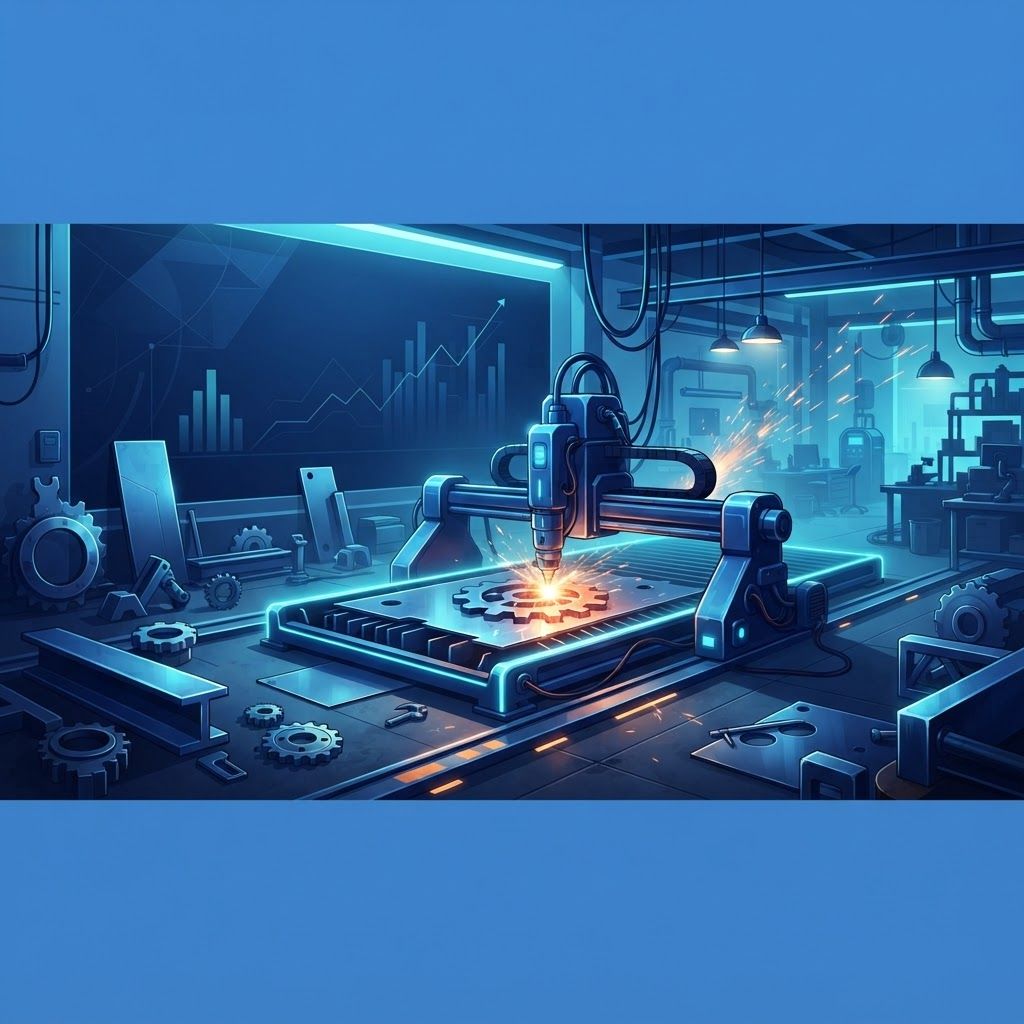
Before comparing companies, it helps to understand what modern metalworking actually involves. Most established Sutton workshops offer some combination of structural steel fabrication, mild steel and stainless welding, aluminium work, sheet metal folding and punching, CNC plasma or laser profiling, powder coating or galvanising arrangements, and on-site installation. Many also handle bespoke architectural metalwork, which is where the craft element becomes most visible.
Increasingly, fabricators also provide design support. A good shop will take a rough sketch or a set of architect's drawings and return proper shop drawings, flagging tolerance issues, fixing details and load considerations before a single piece of steel is cut. That upfront engineering is often what separates a smooth installation from a costly return visit.
Ten Metalworks Companies Worth Knowing in Sutton
1. Sutton Steel Fabrications. A long-standing structural steel specialist known for beams, columns, goalpost frames and load-bearing alterations on domestic extensions. Their reputation rests on accurate setting-out and reliable delivery slots, which matters enormously when a builder has scaffolding and a crane booked for a single morning.
2. Cheam Precision Engineering. Focused on tighter-tolerance machining and small-batch component work, this type of firm serves light manufacturers, prototype developers and repair specialists. Strengths typically include CNC turning and milling, reverse engineering of obsolete parts, and short-run production where importing simply isn't practical.
3. Wallington Welding Works. A mobile and workshop welding operation covering mild steel, stainless and aluminium, including MIG, TIG and stick processes. Firms in this category are valued for emergency repairs, gate and railing work, and coded welding for jobs that require certification.
4. Carshalton Architectural Metalwork. Bespoke staircases, balustrades, Juliet balconies, canopies and feature screens. Architectural specialists live or die by finish quality, so expect careful attention to weld dressing, consistent brushed or mirror polishing, and powder coat colour matching to a specified reference.
5. Beddington Sheet Metal Services. Sheet metal work covers ducting, cladding panels, trays, cabinets, splashbacks and flashings. Companies with modern folding and punching capacity can turn a CAD file into finished panels quickly, which suits shopfitters and kitchen installers working to tight programmes.
6. Belmont Stainless Solutions. Stainless steel is a discipline of its own, particularly for hygiene-critical environments. Specialists serve commercial kitchens, laboratories, healthcare settings and food producers with worktops, sinks, shelving, trolleys and handling equipment built to withstand daily cleaning regimes.
7. Rosehill Iron and Forge. Traditional blacksmithing and wrought iron work still has a strong market in Sutton's older housing stock and conservation areas. Forged gates, period railings, brackets and restoration of original ironwork require hand skills that machinery cannot replicate.
8. Sutton Aluminium Systems. Aluminium fabrication for glazing frames, shopfronts, curtain walling components, louvres and lightweight structures. The appeal is corrosion resistance and weight, and the specialist skill lies in achieving strong, clean joints in a material that behaves very differently from steel.
9. Hackbridge Laser and Profiling. Profiling bureaux provide laser, plasma or waterjet cutting to other trades as well as to end clients. Their value is speed and repeatability: hundreds of identical parts, complex decorative screens, or intricate gussets produced straight from a drawing file with minimal waste.
10. Sutton Fabrication and Coatings. Full-service operations that combine fabrication with in-house or tightly managed finishing, handling shot blasting, priming, powder coating and galvanising logistics. Single-supplier accountability across fabrication and finishing removes a common source of delay and dispute.
Industry Trends Shaping Local Metalworking
Three trends stand out. First, digitalisation: even modest workshops now work from 3D models, and clients increasingly expect drawings issued for approval before manufacture. Second, sustainability: steel is highly recyclable, and specifiers are asking more questions about material provenance, recycled content and the carbon impact of coatings. Third, skills. The trade faces a genuine shortage of experienced welders and fabricators, so firms that invest in apprenticeships are the ones positioned to grow.
Compliance has also tightened. Structural steelwork for buildings falls under execution class requirements, and reputable fabricators maintain the appropriate factory production control, welding qualifications and documentation. For homeowners this can feel like bureaucracy, but it is what allows building control to sign off an opening in a load-bearing wall without argument.
How to Choose the Right Metalworks Partner
Start by matching the firm to the job. A precision machinist is the wrong choice for a structural beam, and a structural fabricator may not deliver the finish an interior designer expects on a feature stair. Ask to see completed work in person or in detailed photographs, ideally something comparable in material and finish to your own project.
Beyond capability, look at process. Does the company survey and measure on site rather than working purely from drawings? Will you receive shop drawings for sign-off? Who is responsible for installation, and are they insured for site work? Is there clarity on lead times, and does the quotation separate materials, fabrication, finishing and fitting so you can see where the money goes?
Finally, weigh communication. Metalwork is unforgiving of assumptions, and the firms that ask the most questions at quotation stage usually cause the fewest problems at installation. In a borough like Sutton, where most good fabricators are booked several weeks ahead, planning early and choosing carefully is worth far more than shaving a small percentage off the price.
Final Thoughts
Sutton's metalworks companies span a wide spectrum, from heavy structural steel through to delicate architectural detailing and traditional forge work. That diversity is a strength for anyone commissioning work locally, because it means the right specialist almost certainly exists within a short drive. Define your requirement clearly, insist on drawings and finish specifications, and treat the fabricator as a design partner rather than a supplier of raw tonnage. The results, in both durability and appearance, tend to justify the effort.
Want your brand featured in front of decision-makers? Publish a guest post or get a link insertion in our guides through AAMAX's guest post and link insertion service.
Helpful Links
 SponsoredAAMAX — Full-Service Digital Agency
Write for Us
Share your expertise with our readers. We welcome guest contributions from industry specialists.
Pitch your idea

