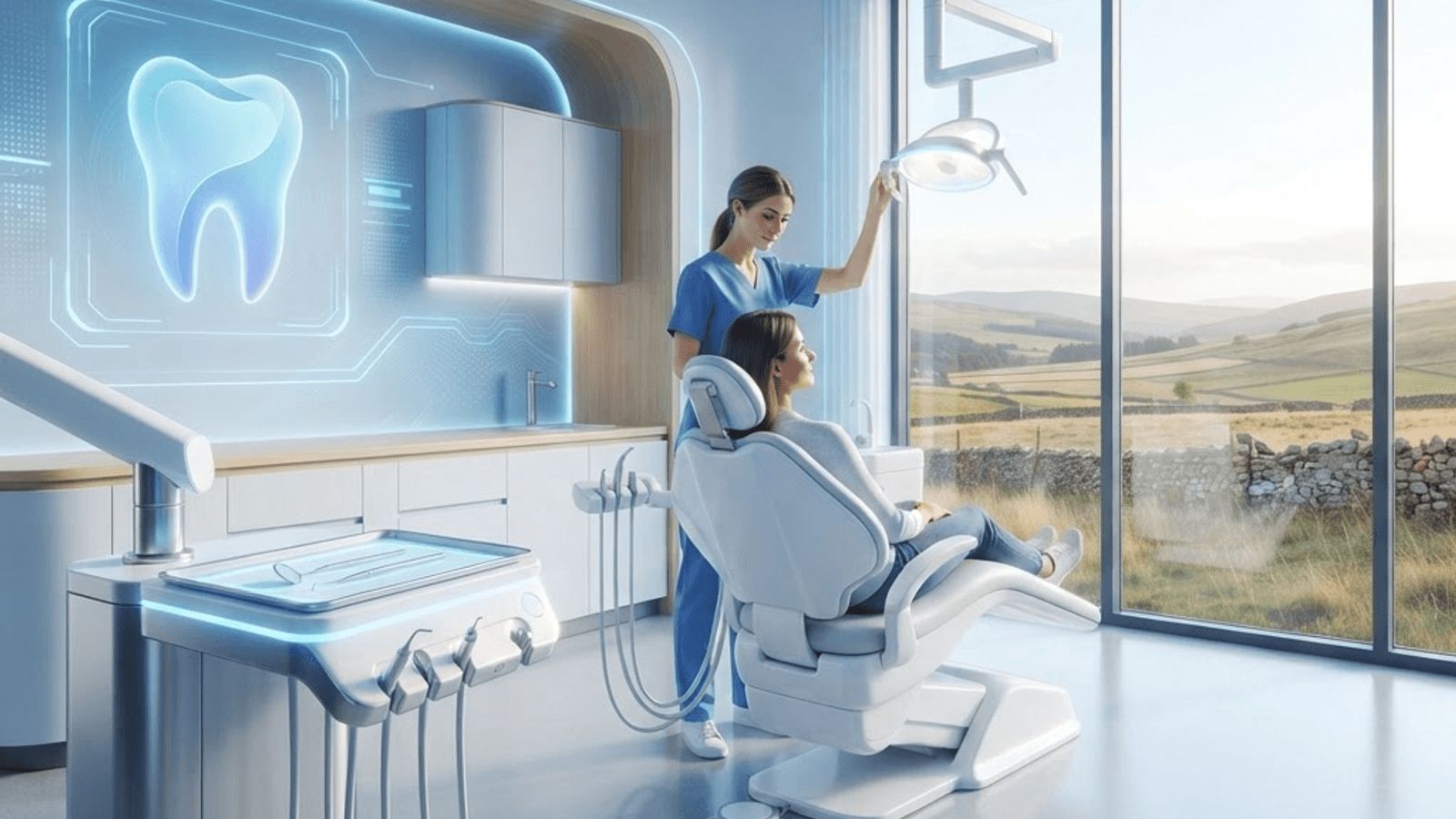
Why Medical Supply Matters in a Rural Region
Medical supply is one of those sectors that remains invisible until you need it, at which point it becomes urgent. A family arranging a hospital discharge for an elderly parent suddenly needs a profiling bed, a pressure-relieving mattress and a commode, often within days. A person newly diagnosed with a long-term condition needs consumables delivered reliably every month. A rural GP practice needs dressings and diagnostic supplies without a two-week lead time.
In the Scottish Borders, the challenge is amplified by geography. A single delivery run might cover Peebles, Galashiels, Hawick and Kelso across seventy miles of rural road. Suppliers who understand this, who plan routes properly and hold appropriate local stock, deliver a genuinely better service than national operators treating the region as an afterthought.
The Categories of Medical Supply
The sector is broader than most people realise and breaks down into several distinct areas.
Mobility and daily living equipment covers wheelchairs, walking frames, rollators, riser recliner chairs, stairlifts, bath aids and grab rails. This is the largest retail-facing category and the one most families encounter first.
Community nursing supplies include wound dressings, continence products, catheters, stoma appliances and pressure area care. Much of this is prescribed and delivered through NHS pathways.
Clinical and diagnostic equipment serves GP practices, dental surgeries, care homes and veterinary clinics, covering everything from blood pressure monitors and nebulisers to examination couches and sterilisation equipment.
Home oxygen and respiratory equipment is a specialist area with its own regulatory framework, covering concentrators, CPAP machines and nebulisers.
Moving and handling equipment includes hoists, slings, transfer boards and profiling beds, requiring proper assessment and often installation and servicing.
Key Providers Serving the Scottish Borders
NHS Borders Equipment Service is the largest single provider in the region, supplying equipment free of charge to people assessed as needing it by occupational therapists, physiotherapists or district nurses. Operating through a joint equipment store with Scottish Borders Council, it handles the bulk of hoists, beds, wheelchairs and daily living aids. Its recycling and refurbishment model is both economically and environmentally sound, and turnaround on urgent discharge equipment is generally impressive.
Scottish Borders Council Occupational Therapy Service works alongside the equipment store, carrying out the assessments that determine provision. Major adaptations including stairlifts, level access showers and ramps fall within its remit, often supported by adaptation grant funding.
Boots Pharmacy Borders branches provide the most accessible retail route for smaller medical supplies. Blood pressure monitors, diabetic testing supplies, compression hosiery, dressings and mobility basics are available across branches in Galashiels, Hawick, Peebles and Kelso, with pharmacist advice included.
Lloyds Pharmacy and independent Borders pharmacies collectively form a critical distribution network. Independent community pharmacies in smaller towns frequently go well beyond dispensing, offering delivery to housebound patients, stocking mobility aids and providing informal advice that saves families considerable time.
Mobility Scotland and comparable regional mobility retailers serve the Borders with wheelchairs, mobility scooters, riser recliners and adjustable beds. The advantage of a specialist mobility retailer is genuine product knowledge and the ability to trial equipment before purchase, which matters enormously with items costing thousands of pounds.
British Red Cross Mobility Aids Service operates short-term equipment loan across Scotland, including Borders localities. For temporary needs following surgery or injury, a wheelchair or commode loaned for a few weeks avoids unnecessary purchase entirely. The service operates on donation and is a genuine community asset.
Borders Care Equipment suppliers serving the care home sector provide the profiling beds, pressure mattresses, hoists and slings that residential and nursing homes depend on. Servicing contracts, LOLER inspection for lifting equipment and rapid breakdown response are what distinguish good suppliers here, because a failed hoist creates an immediate care crisis.
Specialist stoma and continence suppliers operate a delivery model that has transformed these areas. Prescription products are dispatched directly to the patient's home in discreet packaging on a scheduled cycle, with specialist nurse support available by phone. For Borders residents this removes a significant logistical burden.
Home oxygen service providers contracted to NHS Scotland deliver and maintain oxygen concentrators and cylinders across the region. Installation, safety assessment and ongoing servicing are included, and emergency response arrangements are in place for equipment failure.
Veterinary and agricultural medical supply merchants deserve mention in a farming region. Animal health products, wound care, diagnostic supplies and hygiene equipment are supplied through rural merchants and veterinary practices across Berwickshire and Roxburghshire, serving a substantial local industry.
What to Look For in a Supplier
Proper assessment before purchase. Wheelchairs and pressure care equipment in particular must be matched to the individual. A supplier who sells without assessment is risking harm, including pressure damage and falls.
Aftercare and servicing. Equipment breaks. A supplier with local service capability and a stock of spares resolves problems in days rather than weeks.
VAT exemption knowledge. Many medical and mobility products are zero-rated for VAT for people with chronic conditions or disabilities. A competent supplier handles this automatically. Being charged VAT unnecessarily is a common and avoidable cost.
Trial and return policies. Reputable mobility retailers allow trial periods on significant purchases.
Trends in Medical Supply
Digital health devices have moved firmly into mainstream supply, with connected blood pressure monitors, continuous glucose monitors and remote vital sign monitoring increasingly prescribed. For rural patients this genuinely reduces travel and enables earlier intervention.
Sustainability has become a serious focus, with equipment refurbishment, recycling schemes and reduced packaging all gaining ground. The NHS equipment recycling model in the Borders is well established and diverts substantial volumes from waste.
Supply chain resilience has also risen up the agenda following recent global disruption, prompting more suppliers to hold buffer stock locally rather than relying on just-in-time delivery from distant warehouses.
Practical Guidance
Start with an assessment. Contact Scottish Borders Council social work or ask your GP for occupational therapy referral before purchasing significant equipment, because much of what you need may be provided free.
For items you do buy, prioritise suppliers with local presence and service capability over the cheapest online price. When a hoist fails or a bed motor burns out, proximity matters far more than the twenty pounds saved at purchase.
Want your brand featured in front of decision-makers? Publish a guest post or get a link insertion in our guides through AAMAX's guest post and link insertion service.
Helpful Links
 SponsoredAAMAX — Full-Service Digital Agency
Write for Us
Share your expertise with our readers. We welcome guest contributions from industry specialists.
Pitch your idea