Why Medical Supply Is More Important Than It Appears
Medical supply is the least visible part of healthcare and one of the most consequential. A care home cannot function without continence products and gloves. A district nursing team cannot dress wounds without appropriate dressings arriving reliably. A person discharged from Barnsley Hospital after a hip replacement cannot manage at home without a raised toilet seat, a perching stool and a walking frame in place before they arrive. When supply works, nobody notices. When it fails, care fails with it.
For Barnsley the sector carries particular weight. The borough has an ageing population, significant rates of long-term conditions including diabetes and respiratory disease, and a substantial network of care homes, domiciliary care providers and community nursing services. All of them depend on dependable procurement. At the same time, a growing number of individuals and family carers are buying equipment directly rather than waiting for statutory provision, which has expanded the retail side of the market considerably.
Understanding the Categories
Medical supply covers several distinct areas, and providers rarely excel across all of them. Mobility and daily living equipment includes wheelchairs, walking aids, rollators, bathing and toileting equipment, hoists, profiling beds and pressure-relieving mattresses. This category benefits enormously from assessment — an incorrectly sized wheelchair or a poorly specified mattress can cause pressure damage rather than prevent it.
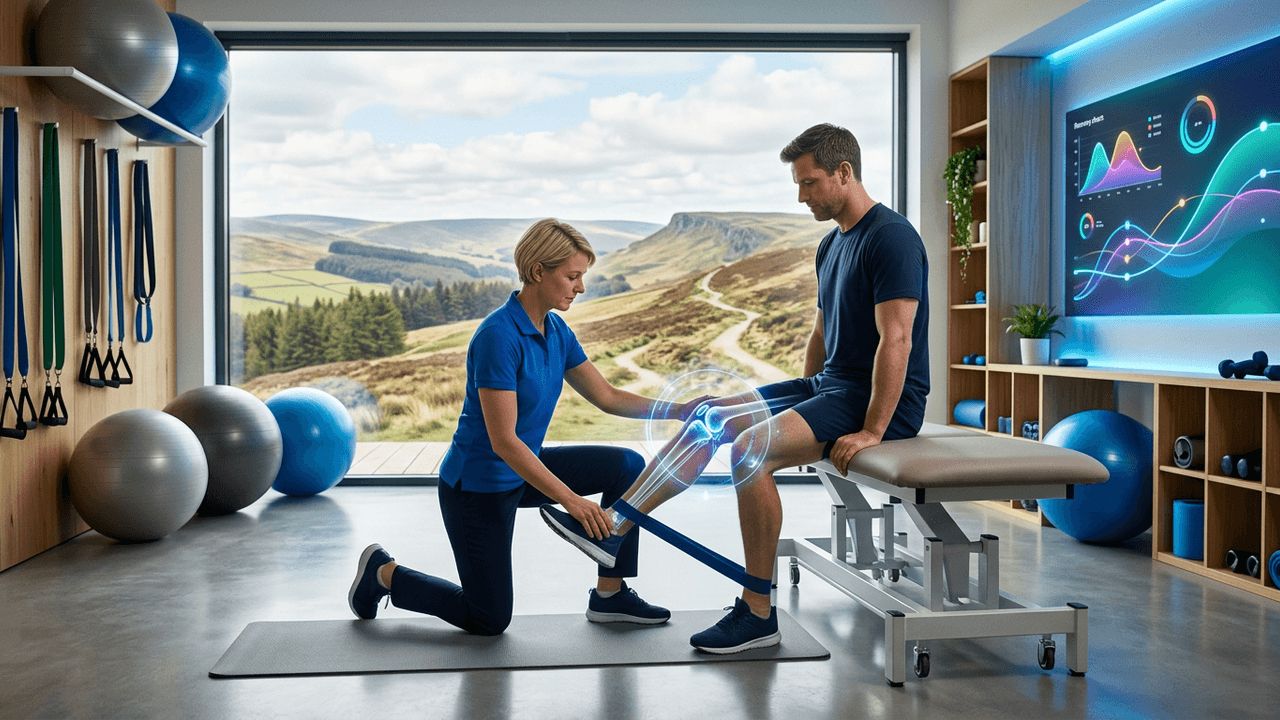
Clinical consumables cover dressings, gloves, syringes, catheters, stoma products, continence pads and infection control materials, typically purchased in volume by professional providers. Diagnostic and monitoring equipment includes blood pressure monitors, blood glucose meters, pulse oximeters, thermometers and nebulisers, increasingly bought by individuals managing conditions at home. Rehabilitation and therapy products span resistance equipment, splints, supports and specialist seating.
Regulation applies throughout. Medical devices sold in Great Britain require UKCA marking or accepted CE marking under transitional arrangements, and suppliers should be able to provide conformity documentation on request. For anything load-bearing — hoists, slings, wheelchairs, beds — provenance and servicing history genuinely matter for safety.
The Ten Leading Medical Supply Companies Serving Barnsley
1. NHS Supply Chain. The central procurement organisation supplying NHS trusts including Barnsley Hospital, NHS Supply Chain manages an enormous catalogue across clinical consumables, devices and capital equipment. Its value lies in scale-driven pricing, rigorous supplier assurance and standardisation that reduces clinical variation. For NHS-employed clinicians it is the default route; its framework contracts also indirectly set quality benchmarks that private buyers can reference.
2. NRS Healthcare. NRS is one of the UK's largest community equipment providers, delivering daily living aids and mobility equipment on behalf of local authorities and NHS services as well as directly to consumers. Its integrated model — assessment support, delivery, installation, collection and decontamination — makes it particularly valuable for hospital discharge, where equipment must be in place quickly and correctly.
3. Millbrook Healthcare. Millbrook specialises in community equipment and wheelchair services, combining supply with clinical assessment and ongoing maintenance. Its wheelchair provision is a particular strength, with trained assessors matching seating and mobility solutions to individual posture and function rather than simply issuing standard chairs.
4. Invacare. A major international manufacturer, Invacare produces wheelchairs, mobility scooters, hoists, beds and pressure care systems. Its products are widely used across Barnsley care homes and community services, and its strength is engineering quality with well-supported spare parts and servicing — important for equipment expected to last years under daily use.
5. Sunrise Medical. Sunrise Medical focuses on advanced wheelchair and seating technology, including lightweight manual chairs, powered mobility and complex postural support systems. For users with significant or long-term mobility needs, its configurable products and specialist dealer network deliver a level of fit that generic equipment cannot approach.
6. Drive DeVilbiss Healthcare. Drive DeVilbiss supplies a broad range of mobility aids, respiratory equipment, bathroom safety products and daily living aids at accessible price points. Its breadth makes it a practical single source for care providers and families equipping a home, and its respiratory products support the borough's substantial population living with chronic lung conditions.
7. Mölnlycke Health Care. Mölnlycke is a leading specialist in advanced wound care and surgical products, with a strong evidence base behind its dressings and pressure ulcer prevention range. Given how much district nursing time in Barnsley is devoted to wound management, quality in this category has a direct effect on healing rates and patient comfort.
8. Coloplast. Coloplast specialises in continence care, stoma care and wound products, and it is notable for the support wrapped around the products themselves — patient education, home delivery services and specialist nurse advice. For people adapting to a stoma or managing long-term continence needs, that support materially affects confidence and quality of life.
9. Essity (BSN medical and TENA). Essity supplies continence care and compression therapy products used extensively across care homes and community nursing. Its compression bandaging systems are central to leg ulcer and lymphoedema management, while its continence range is a mainstay of residential care provision.
10. Independent local mobility shops and pharmacy suppliers. Barnsley's independent mobility retailers and community pharmacies play a role that national suppliers cannot replicate. They allow customers to see and try equipment before buying, offer face-to-face advice, provide local repair and servicing, and often deliver and set up equipment the same week. For an older customer choosing a first rollator or riser-recliner chair, that hands-on service is decisive.
Accessing Equipment in Barnsley
Much equipment is available at no cost through statutory routes. An occupational therapy assessment via Barnsley Council adult social care or the NHS can result in provision of daily living aids, bathing equipment, hoists and beds where clinical need is established. Wheelchair services provide chairs following assessment. Continence products are supplied through NHS continence services after evaluation. Community nursing supplies wound care.
These routes require assessment and involve waiting, which is why many people also buy privately — either to obtain equipment sooner, to get a preferred model, or because their need falls below statutory eligibility thresholds. Both approaches are legitimate. What is worth avoiding is buying expensive equipment before assessment, since an occupational therapist may identify a different and cheaper solution, or confirm eligibility for free provision.
VAT relief is widely overlooked. People who are chronically sick or disabled can purchase many eligible items without VAT for personal use, and charities may also qualify. Reputable suppliers ask about this at the point of sale; if yours does not, raise it.
Trends in Medical Supply
Digital procurement has matured considerably, with electronic catalogues, automated reordering and consumption analytics helping care providers control cost and avoid stockouts. For care homes managing tight budgets, this visibility is genuinely useful.
Sustainability has become a serious consideration, driven by NHS net zero commitments. Reusable alternatives to single-use items, reduced packaging, equipment refurbishment and take-back schemes are all expanding, and refurbished mobility equipment in particular offers substantial savings with proper servicing assurance.
Connected devices are also entering the mainstream, with blood pressure monitors, glucose meters and pulse oximeters that transmit readings to clinicians remotely. This supports the wider shift toward managing long-term conditions at home rather than in clinics, though it requires digital confidence that not every patient has.
Choosing a Supplier
For individuals, prioritise suppliers who assess before selling. Ask whether the item can be tried, what the return policy is, whether delivery includes setup and demonstration, and what happens if it needs repair. Confirm VAT relief eligibility and ask for written specification of anything load-bearing.
For care providers and clinical services, evaluate total cost rather than unit price. Reliability of supply, lead times, product consistency, training support, servicing arrangements and contract flexibility all affect the real cost of a supply relationship. A slightly cheaper dressing that heals wounds more slowly is not cheaper at all.
The best medical supply companies serving Barnsley understand that they are supplying care, not merely products. Choose those that assess properly, support afterwards and stand behind what they sell, and the equipment does what it is supposed to do — make daily life safer, more comfortable and more independent.
Want your brand featured in front of decision-makers? Publish a guest post or get a link insertion in our guides through AAMAX's guest post and link insertion service.
Helpful Links
 SponsoredAAMAX — Full-Service Digital Agency
Write for Us
Share your expertise with our readers. We welcome guest contributions from industry specialists.
Pitch your idea