Oldham's Machinery Manufacturing Heritage and Present
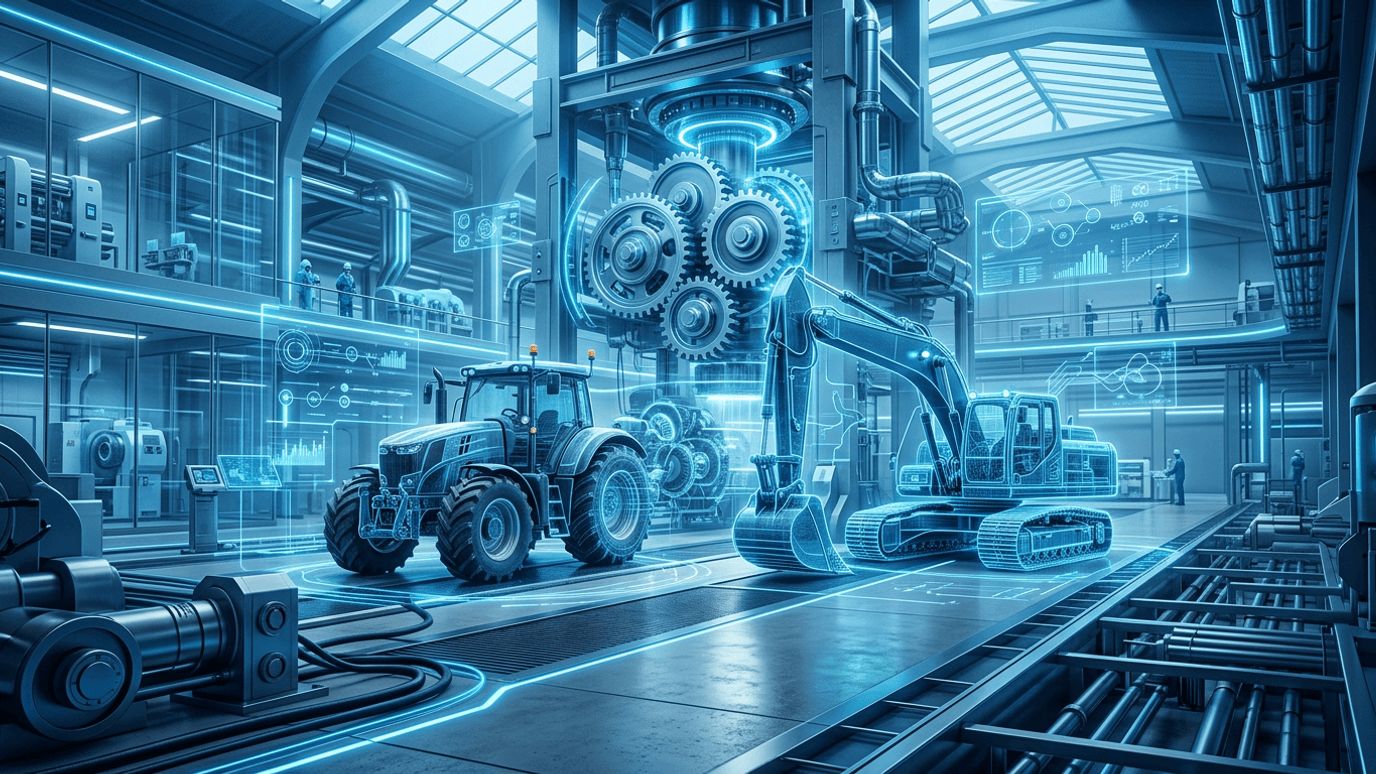
Before Oldham was famous for spinning cotton, it was formidable at building the machines that did the spinning. The borough's engineering firms designed, cast, machined and assembled textile machinery exported across the globe, and that capability outlived the mills it served. When cotton declined, the machine builders diversified into general industrial plant, materials handling, process equipment and automation.
That inheritance is visible today in a machinery sector characterised by genuine design capability rather than mere fabrication. Oldham firms routinely take a customer's process problem and engineer a machine to solve it, handling concept, detailed design, manufacture, assembly, commissioning and support. This full-lifecycle capability is increasingly rare and increasingly valuable, particularly for manufacturers whose processes do not fit standard equipment.
Types of Machinery Manufacturing Capability
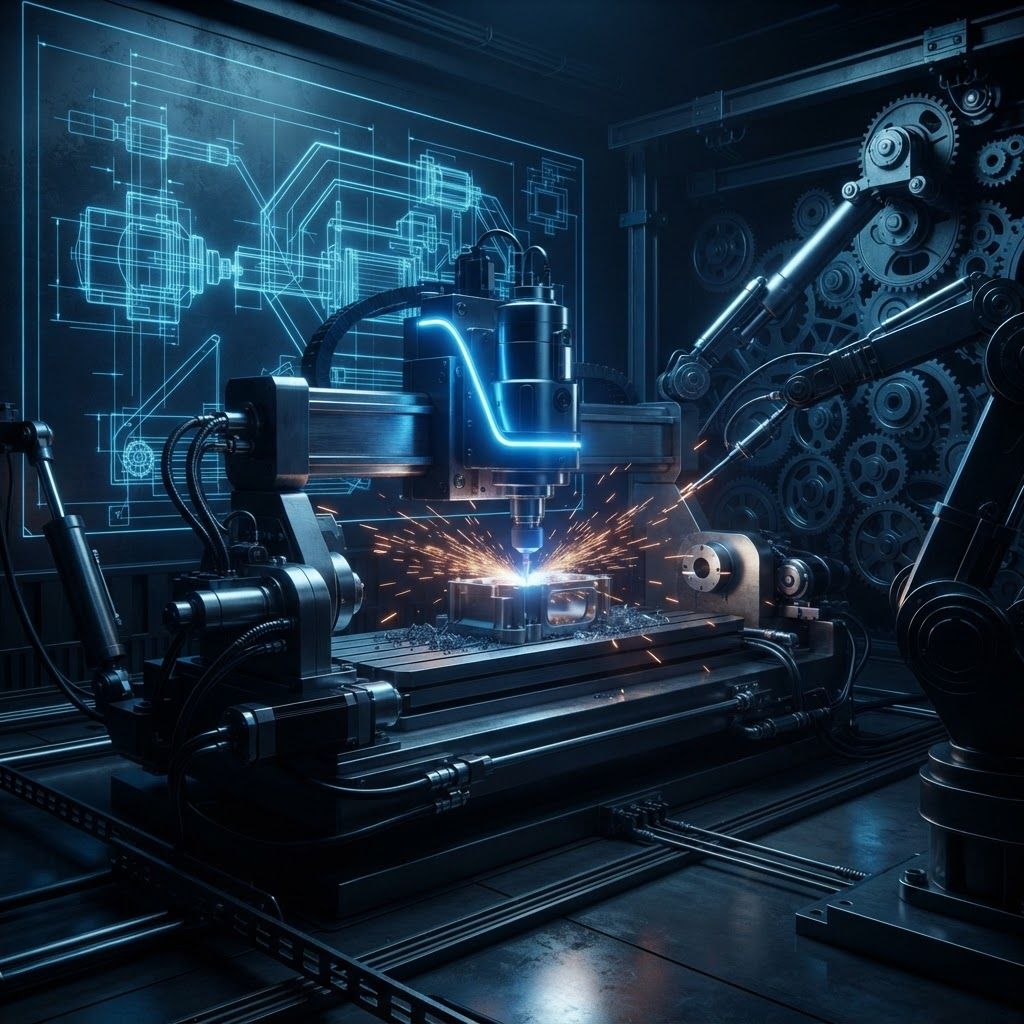
The sector divides into several overlapping categories. Bespoke special purpose machinery involves designing one-off or small-series machines for specific customer processes. Standard product machinery covers firms producing their own catalogue equipment, refined over years and sold repeatedly. Subcontract machining and fabrication supports both, providing components to other builders.
Automation and systems integration has grown into a major category, combining robotics, vision systems, conveying and control into complete production cells. Refurbishment and lifetime extension forms another significant strand, since well-built machines often justify rebuilding rather than replacement.
The Top 10 Machinery Manufacturers in Oldham
1. Pennine Special Purpose Machinery
Regarded as one of the strongest bespoke machine builders in the North West, Pennine Special Purpose Machinery designs and manufactures custom production equipment for clients whose processes cannot be met by standard machines. Its integrated mechanical design, electrical engineering and controls teams handle projects from specification through commissioning. Clients particularly value its willingness to engage early, defining the problem properly before proposing a solution.
2. Crompton Engineering Works
Carrying a name deeply associated with the borough's industrial past, Crompton Engineering Works manufactures heavy industrial machinery and large fabricated assemblies. Its capacity for substantial weldments, large-capacity machining and heavy lifting suits sectors including quarrying, recycling and bulk processing. Robust construction and straightforward maintainability characterise its output.
3. Medlock Automation Systems
This company specialises in automated production cells, integrating industrial robots, conveying, vision inspection and control systems. It serves manufacturers seeking to reduce manual handling, improve consistency or address labour shortages. Its strength lies in realistic assessment of what automation can achieve, and in phasing projects so clients see returns before committing to full-scale deployment.
4. Oldham Precision Machining
A subcontract machinist supporting machine builders and manufacturers across the region, Oldham Precision Machining handles large and complex components on multi-axis machining centres and grinders. Its metrology capability supports tight tolerance work, and its engineering input frequently improves the manufacturability of parts it is asked to produce. Many local machine builders depend on it for critical components.
5. Chadderton Materials Handling
Producing conveyors, elevators, feeders, hoppers and bulk handling equipment, this manufacturer serves food processing, recycling, aggregates and general manufacturing. It designs systems around actual material characteristics rather than generic assumptions, which matters greatly with difficult, abrasive or sticky products. Its equipment is known for accessibility and ease of cleaning.
6. Hollinwood Process Equipment
Hollinwood Process Equipment manufactures mixers, vessels, reactors and process plant for chemical, food and pharmaceutical customers. Its fabrication meets the hygiene and pressure requirements those sectors demand, with documented material traceability and surface finish standards. It also handles installation and validation support, which regulated customers need.
7. Werneth Machine Tool Services
Rather than building new machines, Werneth Machine Tool Services rebuilds, retrofits and upgrades existing plant. Its work includes control system replacement on mechanically sound machines, spindle and slideway refurbishment, and accuracy restoration. For customers with well-built older equipment, rebuilding often delivers near-new performance at a fraction of replacement cost, with much shorter lead times.
8. Failsworth Packaging Machinery
Specialising in filling, capping, labelling and end-of-line packaging equipment, this manufacturer serves food, drink, cosmetics and household product producers. It offers both standard machines and bespoke lines, and its changeover-friendly designs suit customers running many product variants. Aftermarket support and spare parts availability are frequently cited strengths.
9. Royton Hydraulics and Pneumatics
This company designs and builds hydraulic and pneumatic power systems, presses and actuation equipment, alongside supplying and servicing components. Fluid power remains essential for high-force applications, and the firm's system design capability, covering circuit design, power pack construction and commissioning, supports machine builders and end users alike.
10. Saddleworth Toolmaking and Jigs
Producing press tools, moulds, jigs and fixtures, Saddleworth Toolmaking and Jigs supports manufacturers bringing new products into production. Toolmaking is a craft skill in national short supply, and the company's investment in apprenticeship training has helped preserve capability. Its fixtures and gauges also support quality assurance across other local manufacturers.
Trends Shaping Machinery Manufacturing
Automation demand has accelerated sharply, driven less by cost reduction than by labour availability. Manufacturers struggling to recruit for repetitive or physically demanding roles are automating tasks they previously considered uneconomic, which has expanded the market for integrators and special purpose machine builders considerably.
Digitalisation has moved from novelty to expectation. Customers want machines that report performance data, support remote diagnostics and integrate with production monitoring systems. Builders who embed connectivity and provide meaningful data, rather than raw signals, differentiate themselves. Remote support capability also reduces downtime and travel cost.
Energy efficiency has become a purchasing criterion. Rising energy costs make machine power consumption a visible operating expense, and features like variable speed drives, regenerative systems and reduced compressed air dependency now influence buying decisions. Sustainability is also driving demand for equipment serving recycling, reuse and remanufacturing processes.
Skills remain the sector's central constraint. Experienced design engineers, toolmakers and controls specialists are scarce, and firms with genuine training pipelines hold a structural advantage.
How to Choose a Machinery Manufacturer
Invest effort in the specification. Poorly defined requirements are the most common cause of disappointing bespoke machinery projects. Describe the process, the materials, the throughput required, the variability you must accommodate and the constraints of your site.
Ask to see comparable machines in operation, ideally at customer sites. Discuss how the builder handles the commissioning phase, since this is where projects most often overrun. Clarify acceptance criteria and testing before contract, so both parties agree what finished means.
Weight aftersales support heavily. A machine central to production needs spare parts availability, responsive support and documentation good enough for your own maintenance team to work from. Check the builder's likely longevity too, because support over a fifteen-year machine life depends on the company still existing.
Final Thoughts
Machinery manufacturing remains Oldham's deepest industrial competence, sustained by an engineering culture that runs back generations. From bespoke special purpose machines and automation cells to heavy plant, packaging lines, toolmaking and machine rebuilds, the borough covers remarkable ground. For manufacturers with process problems that standard equipment cannot solve, Oldham's machine builders offer design capability and practical problem-solving that is genuinely hard to find elsewhere.
Want your brand featured in front of decision-makers? Publish a guest post or get a link insertion in our guides through AAMAX's guest post and link insertion service.
Helpful Links
 SponsoredAAMAX — Full-Service Digital Agency
Write for Us
Share your expertise with our readers. We welcome guest contributions from industry specialists.
Pitch your idea