Winchester's Jewellery Trade in Context
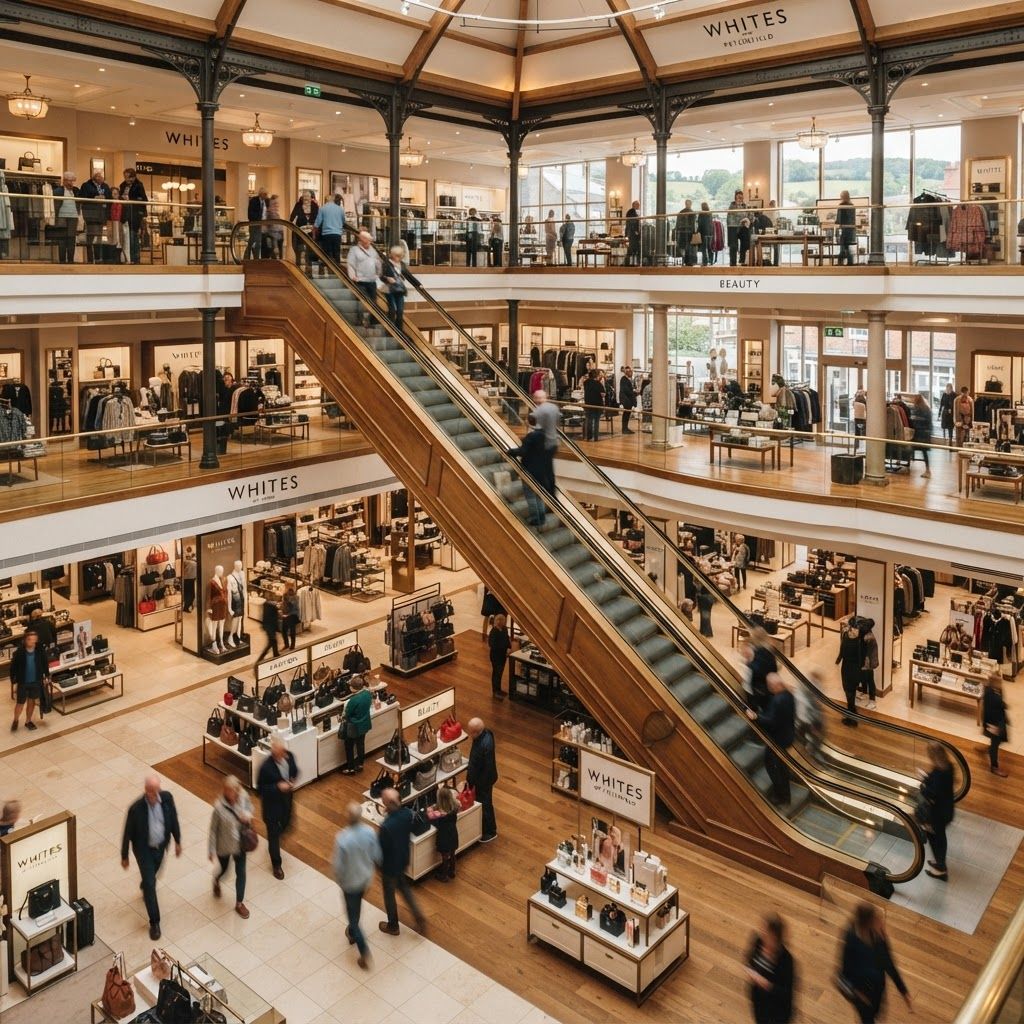
Winchester supports a jewellery retail scene that punches well above its population size. The city's affluent catchment, strong tourist footfall, and concentration of independent boutiques along its historic streets create steady demand for both fine jewellery and designer-led contemporary pieces. Behind every one of those shop windows sits a wholesale supply chain that determines margin, availability and differentiation.
Wholesale jewellery supply divides into distinct streams. Finished jewellery wholesalers supply ready-to-sell collections. Bullion and precious metal dealers supply gold, silver and platinum in sheet, wire and casting grain. Gemstone dealers supply loose diamonds and coloured stones. Findings suppliers provide clasps, settings, chains and components. Packaging and display suppliers complete the picture. Most Winchester retailers and makers draw on several of these simultaneously.
What Retailers Need From a Wholesale Partner
Independent jewellers face a specific commercial challenge: they compete against national chains with far greater buying power and against online sellers with lower overheads. Their advantage lies in curation, service and exclusivity. A good wholesale partner supports that by offering territory protection, flexible minimum orders, strong point-of-sale support and the ability to reorder single pieces rather than full packs.
Stock risk is the other constant concern. Jewellery carries high unit value, and capital tied up in slow-moving stock is capital unavailable for new collections. Wholesalers who offer sale-or-return arrangements, consignment stock, or memo terms on higher-value items remove much of that risk and consequently earn strong loyalty from independents.
1. Cooksongold
Cooksongold is the best-known precious metal and jewellery supplies business serving the UK trade, and it is a foundation supplier for Winchester's designer-makers and repair workshops. Its range spans gold, silver and platinum in every practical form, alongside findings, tools, casting supplies, gemstones and finishing materials. For a small studio, the ability to order a precise length of wire or a specific gauge of sheet without minimum quantities is transformative. Its assay and hallmarking guidance is also widely used by makers establishing their first sponsor's mark.
2. Betts Metals
Betts is among the oldest precious metal businesses in the country and supplies bullion, casting alloys, mill products and recycling services. Metal recycling deserves particular emphasis: workshops generate significant lemel and scrap, and a refiner who returns fair value on that material directly improves studio economics. For Winchester makers working in gold, this closed-loop relationship is both commercially and environmentally sensible.
3. Hockley Mint
Hockley Mint manufactures bridal and fine jewellery for the independent retail trade, and its collections appear in many independent jewellers across the south. The appeal to retailers is design quality combined with the flexibility to order bespoke variations on standard settings. Bridal remains the single most important category for most independents, and a manufacturer who can deliver a custom mount in a workable timeframe wins the sale that a catalogue-only supplier would lose.
4. Domino Jewellery
Domino specialises in wedding rings, eternity rings and setting services for the trade. Its strength is breadth of profile, width and metal options, allowing a retailer to offer genuinely personalised choices without holding extensive stock. Ring sizing, finishing and stone setting services mean smaller Winchester shops without full workshops can still deliver bespoke outcomes.
5. Marmara Silver and Contemporary Silver Wholesalers
Sterling silver occupies the accessible end of the jewellery market and drives volume for gift-oriented retailers. Contemporary silver wholesalers supply on-trend designs with rapid range refreshes, low minimum orders and attractive margins. For Winchester's gift shops and lifestyle boutiques as well as traditional jewellers, this category provides the everyday sales that sustain cash flow between higher-value transactions.
6. Gemstone Dealers and Loose Stone Suppliers
Specialist gemstone dealers supply loose diamonds, sapphires, emeralds, rubies and a wide palette of semi-precious stones to jewellers creating bespoke commissions. The critical services are certification, accurate grading and the ability to present a selection on approval so the customer can choose. Lab-grown diamonds have added complexity and opportunity to this segment, and dealers who handle both natural and laboratory-grown stones with clear disclosure help retailers navigate a sensitive conversation.
7. Findings and Components Suppliers
Behind every finished piece sits an array of small components: clasps, jump rings, bails, ear fittings, chain, settings and mounts. Findings suppliers stock these in multiple metals and finishes, and their reliability determines whether a repair or a custom commission is completed on time. Winchester workshops handling repairs and alterations depend on next-day availability of these unglamorous parts more than on anything else.
8. Watch Component and Accessory Wholesalers
Most independent jewellers also sell and service watches, which requires its own supply chain of straps, batteries, glasses, seals, tools and movements. Wholesalers in this space serve repair benches with fast-moving consumables and hard-to-find parts. As mechanical watch interest continues to grow, access to servicing parts has become a meaningful competitive advantage for shops offering in-house repair.
9. Jewellery Packaging and Display Suppliers
Presentation influences perceived value more in jewellery than in almost any other retail category. Packaging suppliers provide boxes, pouches, bags, ribbon and display busts, increasingly with sustainable materials and the option of subtle branding. For Winchester retailers building a distinctive identity, consistent, well-made packaging is an inexpensive route to a premium impression, and suppliers offering low minimum runs make that achievable for small businesses.
10. Antique and Estate Jewellery Dealers
Pre-owned, antique and estate jewellery has become a major growth area, driven by sustainability concerns, value seeking and genuine interest in period design. Trade dealers supply Victorian, Edwardian, Art Deco and mid-century pieces to retailers, usually with restoration completed. For Winchester, where heritage sensibility runs strong, these collections sit naturally alongside contemporary ranges and attract customers who want something with provenance.
Hallmarking and Legal Obligations
Anyone selling precious metal items above the relevant weight thresholds in the UK must ensure those items are correctly hallmarked by an assay office. Makers require a registered sponsor's mark. Retailers must display the dealer's notice explaining hallmarks to customers. These are legal requirements, not conventions, and they protect both the trade and the public.
Wholesalers supplying finished goods normally deliver items already hallmarked, but the responsibility for compliance ultimately rests with the seller. Winchester retailers should verify hallmarking at goods-in rather than discovering an omission at the point of sale. For makers producing their own work, building assay turnaround into production schedules is essential, particularly ahead of the Christmas and wedding seasons.
Ethical Sourcing and Provenance
Customers increasingly ask where materials come from, and the trade has responded. Recycled precious metals are now widely available and carry a substantially lower environmental footprint than newly mined material. Fairmined and Fairtrade gold offer traceable, responsibly sourced alternatives. Diamond provenance is documented through established certification processes, and lab-grown stones offer a different proposition with their own energy considerations.
For Winchester retailers, the practical approach is to be able to answer provenance questions honestly and specifically rather than in marketing generalities. That requires wholesale partners who provide genuine documentation. Suppliers who treat this as a core service rather than an inconvenience are becoming the preferred choice for independents whose customers ask informed questions.
Trends Shaping Demand
Several currents are reshaping the market. Personalisation continues to grow, with engraving, birthstones and bespoke commissions commanding premium prices and building customer relationships. Coloured gemstones have gained ground in engagement jewellery as buyers seek distinctiveness. Stacking and layering styles encourage multiple smaller purchases rather than single statement pieces. Men's jewellery has expanded considerably beyond wedding bands.
Meanwhile, repair, remodelling and restoration have become significant revenue streams. Customers bring inherited pieces to be reworked into something wearable, which combines sentimental value with sustainability. Winchester jewellers with workshop capability, supported by responsive findings and stone suppliers, are well positioned to capture this work.
Choosing Wisely
The right wholesale mix depends on the retailer's positioning. A bridal-focused shop needs strong manufacturer relationships and stone supply. A gift-led boutique needs fast-turning silver and fashion ranges. A workshop-based maker needs metal, findings and tools. Most successful Winchester businesses combine all three, balancing reliable core suppliers with occasional distinctive sources that keep the offer fresh.
Want your brand featured in front of decision-makers? Publish a guest post or get a link insertion in our guides through AAMAX's guest post and link insertion service.
Helpful Links
 SponsoredAAMAX — Full-Service Digital Agency
Write for Us
Share your expertise with our readers. We welcome guest contributions from industry specialists.
Pitch your idea