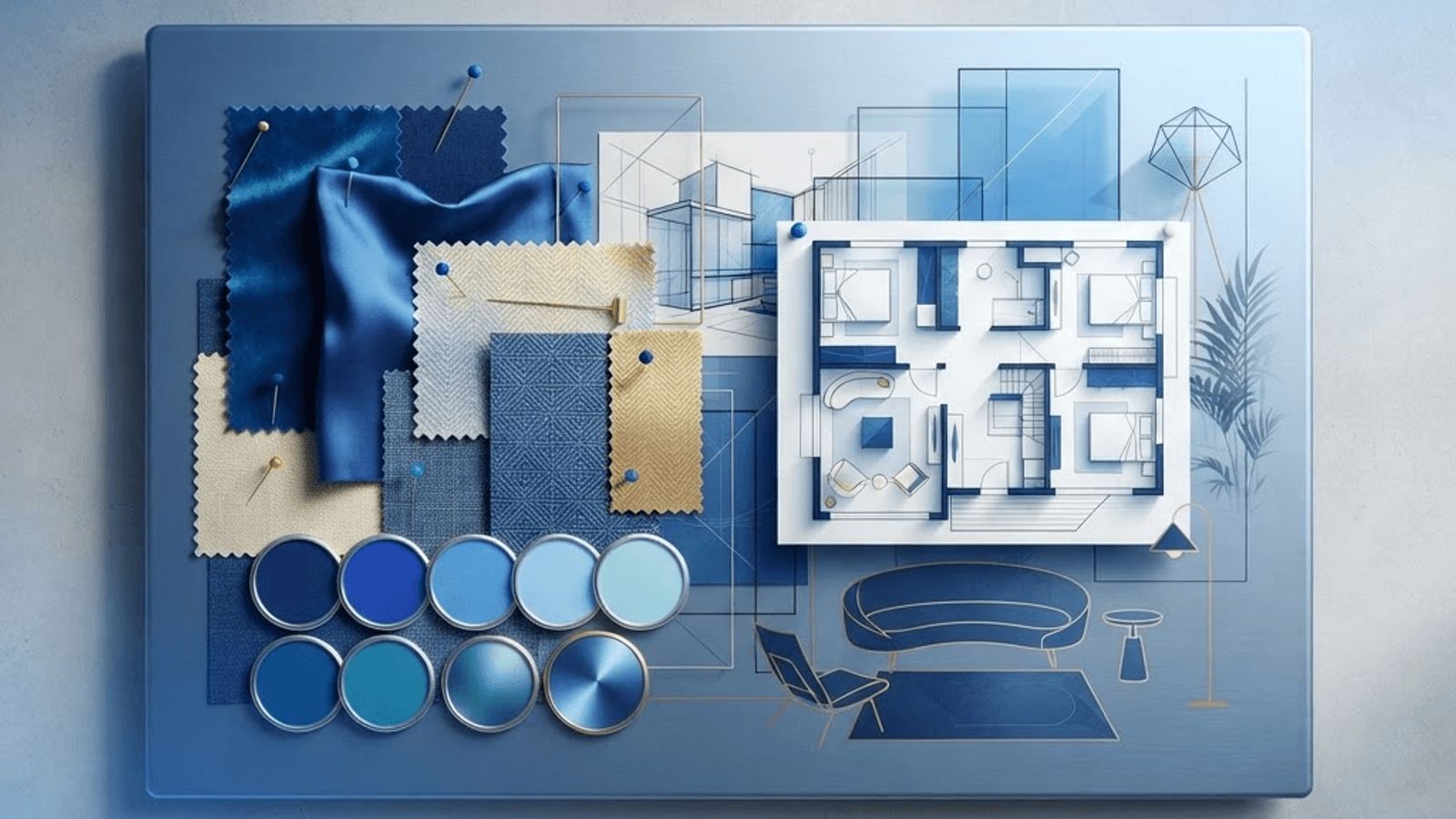
Interior Design in a City of Contrasts
Wrexham presents an unusually varied brief for interior designers. The building stock ranges from Victorian and Edwardian terraces in the older districts, through substantial interwar and post-war suburban housing, to period farmhouses and barn conversions in the surrounding countryside, and modern new build estates on the city's edges. Add a commercial sector spanning offices, hospitality, retail and industrial premises, and the range of work available locally is considerable.
This variety has produced a design community with genuine breadth. Some practices specialise in sympathetic restoration of period property, understanding lime plaster, original joinery, sash windows and the particular challenges of insulating solid wall construction without causing damp problems. Others focus on contemporary residential schemes, open plan reconfiguration and modern material palettes. A third group works predominantly in commercial fit-out, where brand expression, regulatory compliance and durability drive decisions.
What an Interior Designer Actually Provides
There is a persistent misconception that interior design is about choosing colours and cushions. In reality, a professional designer's most valuable contribution is usually spatial: deciding where walls should be removed or added, how circulation should work, where light enters and how it is controlled, where services and storage should be located, and how a space will function for the people using it across years rather than months.
A full design service typically begins with a brief and survey, progresses through concept development and spatial planning, moves into detailed design covering finishes, joinery, lighting, electrical layouts and furniture specification, and concludes with procurement and installation oversight. Many practices also offer project management, coordinating contractors and managing programme and budget.
Crucially, a good designer saves money as well as spending it. Avoiding a costly structural alteration that does not achieve the desired result, specifying materials appropriate to their use so they do not need replacing, and sequencing works correctly to avoid rework all deliver real financial value.
The Top 10 Interior Design Firms in Wrexham
1. Dee Valley Interior Design Studio. A full-service residential practice working across the Wrexham area, known for a warm contemporary aesthetic that respects the character of existing buildings. Strong on spatial planning and bespoke joinery design.
2. Border Interiors Group. Serving the Wrexham and Chester corridor with both residential and commercial work. Its commercial portfolio includes offices, professional practices and hospitality, and it brings that discipline around durability and compliance into residential projects.
3. Marches Heritage Interiors. Specialising in period and listed buildings, with detailed understanding of traditional construction, appropriate materials and the consent processes that apply to protected buildings. The natural choice for farmhouse and barn conversion projects.
4. Clwyd Contemporary Design. Focused on modern residential schemes, open plan living, extensions and new build interiors. Its work emphasises natural light, clean detailing and integrated storage.
5. Maelor Commercial Fit-Out Design. Concentrating on workplace, retail and hospitality interiors, handling everything from space planning and brand integration to building regulation compliance, accessibility and fire strategy coordination.
6. Gresford Kitchen and Bathroom Design. Specialists in the two rooms where design decisions have the greatest cost and functional consequences. Detailed technical knowledge of services, ventilation and appliance specification distinguishes the practice.
7. Rossett Design House. A boutique studio offering a highly personalised service on a limited number of projects at a time. Appeals to clients wanting close involvement with the designer throughout rather than being handed to a project team.
8. Acton Lighting and Interiors. With lighting design as a core specialism, this practice addresses an aspect of interiors that is routinely under-considered. Layered lighting schemes, controls and colour temperature planning transform how spaces feel and function.
9. Ruabon Sustainable Interiors. Focused on low-impact design, specifying reclaimed and natural materials, low-VOC finishes, and working with energy efficiency improvements. Increasingly relevant as clients pursue retrofit alongside aesthetic upgrade.
10. Erddig Country House Interiors. Working at the premium end of the rural market on substantial homes and equestrian properties, combining classic English country style with contemporary comfort and practicality.
Current Design Trends in the Region
Several themes are visible across recent Wrexham projects. Open plan living continues, but with a clear correction: fully open ground floors have given way to broken plan arrangements using partial walls, glazed screens and level changes to define zones while retaining light and connection. The experience of home working and home schooling demonstrated the limits of undivided space.
Material palettes have warmed considerably. Grey-dominated schemes have given way to earth tones, timber, natural stone, clay plasters and textured fabrics. Colour has returned, particularly in kitchens and utility spaces where painted cabinetry in deeper tones has become common.
Sustainability influences specification more than it once did. Clients increasingly ask about material provenance, indoor air quality, durability and repairability. Retrofit-aware design, integrating insulation improvements, heat pumps and ventilation into schemes without compromising appearance, has become a genuine skill requirement.
Utility and boot rooms have grown in importance, reflecting both rural lifestyles and the practical demands of family life. Similarly, dedicated home working space is now a standard requirement rather than an occasional request.
How to Work Effectively With a Designer
Define your budget honestly and early. Designers cannot produce an appropriate scheme without knowing the financial framework, and reluctance to disclose a budget almost always leads to wasted work. Include a contingency of at least ten to fifteen per cent, particularly in older properties where opening up walls and floors regularly reveals surprises.
Gather visual references before the first meeting. Images of interiors you like, and equally importantly ones you dislike, communicate preferences far more effectively than verbal description.
Clarify the scope of service in writing: what stages are included, how many revisions are covered, whether procurement and project management are part of the fee, and how the designer is remunerated. Fee structures vary between fixed fees, hourly rates, percentages of project cost and margins on specified goods, and understanding this prevents friction later.
Finally, allow adequate time. Good interior design involves iteration, lead times on bespoke joinery and specialist finishes can be lengthy, and rushing decisions is the most reliable route to regret. Wrexham has a capable design community across a range of styles and budgets, and projects that begin with a clear brief and realistic timescale consistently produce the best results.
Want your brand featured in front of decision-makers? Publish a guest post or get a link insertion in our guides through AAMAX's guest post and link insertion service.
Helpful Links
 SponsoredAAMAX — Full-Service Digital Agency
Write for Us
Share your expertise with our readers. We welcome guest contributions from industry specialists.
Pitch your idea