The St Albans Design Context
Interior design in St Albans is shaped by the building stock. The city contains an unusual concentration of listed and period properties, from medieval and Georgian houses on Fishpool Street to Victorian and Edwardian terraces in Fleetville and substantial interwar homes around Clarence Park and Marshalswick. Alongside these sit new apartment schemes near the station and a steady stream of rear extensions and loft conversions across the suburbs.
That mix creates a specific design challenge. Clients want open, light filled, highly functional interiors with excellent storage, integrated technology and energy efficiency, but they also want to preserve cornicing, fireplaces, sash windows and the proportions that make period homes desirable. The best local designers are fluent in both languages, and equally comfortable negotiating conservation officer expectations as they are specifying underfloor heating and bespoke joinery.
What Interior Design Firms Provide
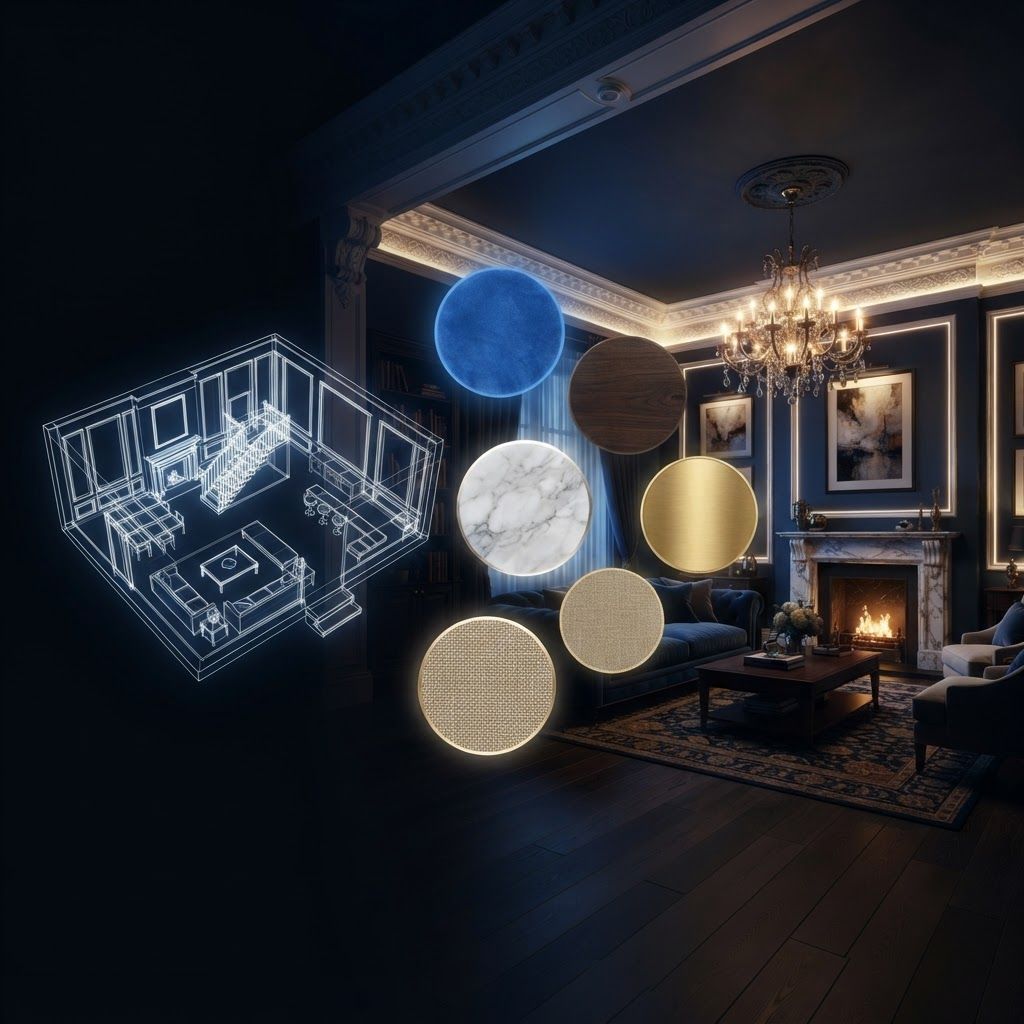
Services typically progress through defined stages. Initial consultation and brief development establishes budget, lifestyle needs and aesthetic direction. Concept design produces mood boards, material palettes and spatial layouts. Detailed design covers technical drawings, joinery specifications, lighting plans, electrical layouts and finishes schedules. Procurement handles sourcing, ordering and logistics, often with trade pricing that offsets part of the design fee. Project management coordinates contractors, and installation covers final dressing and handover. Some firms also provide architectural or planning support for extensions, and others focus purely on decoration and furnishing.
The Ten Leading Interior Design Firms
1. Alban Interior Studio. A city based practice known for balancing period sensitivity with contemporary functionality. Strong on bespoke joinery, integrated storage and layered lighting schemes for family houses in the conservation area.
2. Hertfordshire Interior Architecture. Combines spatial planning and technical design with decoration, making it a strong choice for whole house renovations and extensions where layout changes are central rather than cosmetic.
3. Kitchen and Living Design Studio. Specialises in kitchen led renovation, which in St Albans frequently drives entire ground floor reconfigurations. Its strength is detailed practical planning around cooking, dining and family circulation.
4. Sims Hilditch. A nationally recognised practice working across the Home Counties, associated with refined English country style. Best suited to larger village and rural properties where a complete, cohesive scheme is required.
5. Harvey Jones. Known for handmade bespoke kitchens and cabinetry, frequently specified in period St Albans homes where standard units cannot accommodate irregular walls and ceiling heights.
6. Verulam Design House. A boutique studio focused on residential projects in the city and surrounding villages, valued for close client contact, careful material selection and realistic budget management.
7. Studio Ten Interiors. Offers a contemporary, design led aesthetic suited to new apartments and modern extensions, with particular strength in colour, texture and statement lighting.
8. Cameron Design and Build partners. Design and build practices operating across Hertfordshire integrate architectural design, interior specification and construction under one contract, appealing to clients who prefer single point accountability over coordinating separate consultants.
9. Heritage Interiors Consultancy. Focused on listed and conservation properties, advising on sympathetic materials, traditional finishes, secondary glazing and breathable construction. Essential where consent conditions restrict intervention.
10. Independent freelance interior designers across St Albans. A number of experienced individual designers offer hourly consultancy, room schemes and shopping lists. For clients with a clear vision and appetite to manage their own project, this is a cost effective way to access professional judgement.
Trends Influencing Local Projects
Several themes recur in current St Albans commissions. Broken plan living has largely replaced fully open plan, with clients wanting connected but acoustically separable spaces after years of home working. Dedicated home offices and garden studios are now standard requests rather than luxuries. Sustainability and running cost awareness has increased demand for improved insulation, better glazing, heat pump compatible layouts and durable natural materials. Utility and boot rooms have become priority spaces in family houses. And colour has returned, with deeper greens, clay tones and warm neutrals displacing the uniform grey palettes of the previous decade.
Budgeting Realistically
Design fees are typically structured as a percentage of project cost, a fixed fee per room or stage, or an hourly rate for consultancy. Whichever model applies, the important discipline is establishing a total project budget including construction, joinery, fixtures, furniture, lighting and contingency before design begins. Period properties routinely reveal unexpected issues, from failed damp proofing to inadequate wiring, so a contingency allowance of at least ten to fifteen percent is prudent. Clients should also clarify whether procurement discounts are passed on and how mark-ups are handled, since this materially affects total cost.
Choosing the Right Designer
Review portfolios for projects genuinely comparable to yours in property type, scale and budget rather than simply admiring the images. Ask who will manage the project day to day and how often they will attend site. Request references from clients whose projects completed at least a year ago, since durability of workmanship reveals itself over time. Confirm professional indemnity insurance and any relevant institute membership. Above all, assess communication style, because renovation is a long collaboration and clarity matters more than charisma.
Final Thoughts
St Albans offers access to designers spanning heritage specialists, contemporary studios, kitchen focused practices and nationally known country house names. The right choice depends on the property, the extent of structural change and how much project management you want to delegate. Investing time in a thorough brief and a realistic budget at the outset consistently produces better interiors than chasing trends, and the firms above provide the expertise to deliver results that suit both the building and the way the household actually lives.
Want your brand featured in front of decision-makers? Publish a guest post or get a link insertion in our guides through AAMAX's guest post and link insertion service.
Helpful Links
 SponsoredAAMAX — Full-Service Digital Agency
Write for Us
Share your expertise with our readers. We welcome guest contributions from industry specialists.
Pitch your idea