The Design Challenge of Rochdale Homes
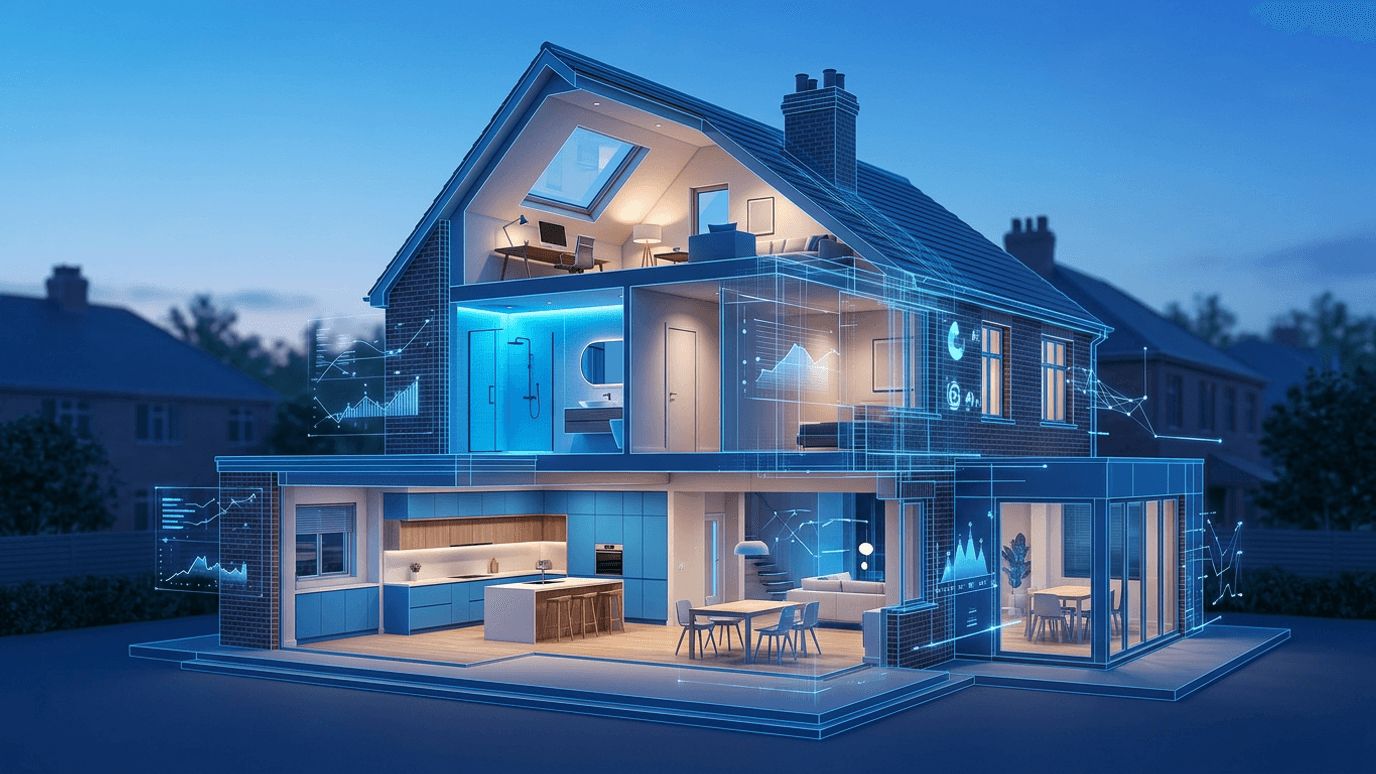
Interior designers working in Rochdale face a more interesting brief than those in areas of uniform housing stock. The borough contains stone weavers' cottages with tiny windows and low ceilings, tall Victorian terraces with generous proportions and original features, interwar semis with compartmentalised layouts, converted mills with enormous volumes and industrial detailing, and modern estate housing with open-plan ground floors.
Each demands a different approach. A design language that suits a double-height mill apartment with exposed brick and cast iron columns would be absurd in a two-up two-down on a terraced street. The designers who do well locally are those fluent across several idioms rather than committed to a single signature look, and who understand the practical realities of Pennine building: solid walls, damp management, heat loss and the cost of heating tall rooms.
What Interior Designers Actually Provide
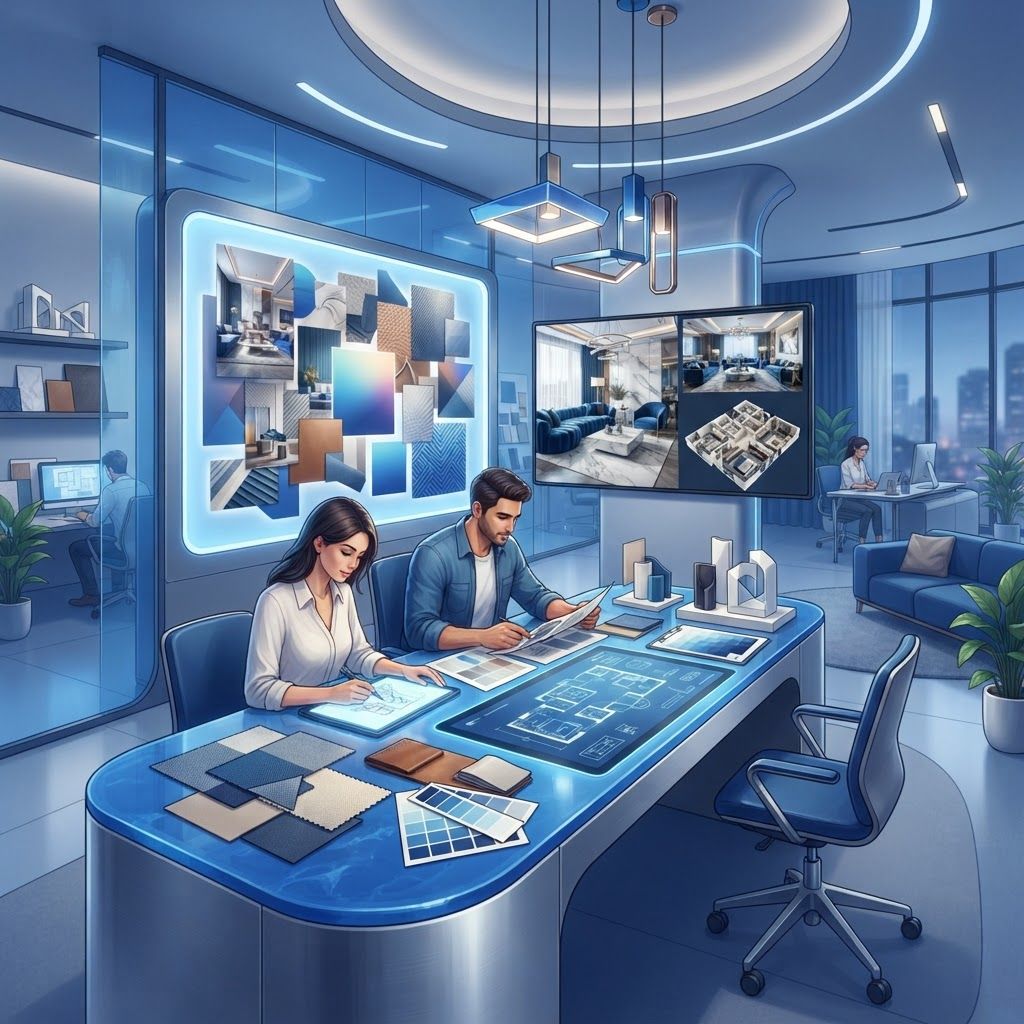
Full-service interior design goes considerably beyond choosing colours. It typically begins with a brief and survey, moves through spatial planning and concept development, and produces detailed drawings, elevations, lighting plans, joinery specifications, finishes schedules and furniture proposals. The designer may then manage procurement, coordinate trades and oversee installation.
For structural work, designers often collaborate with architects, structural engineers and building control. Reconfiguring a Rochdale terrace to open the rear reception into the kitchen, or converting a loft to add a bedroom, requires proper engineering input and building regulations compliance alongside the aesthetic decisions.
Lighter services are widely available and often better value for smaller projects. Design consultations, colour and finishes schemes, e-design packages delivered remotely, and single-room projects allow homeowners to access professional judgement without a full-service fee.
Firms and Designers Serving the Borough
Interior design in Rochdale is delivered by a mix of local independents, Greater Manchester practices covering the borough, and specialist kitchen and bathroom designers.
Sophie Robinson Interiors style consultancy represents the recognised end of the UK design spectrum, influencing colour-confident residential work nationally. Within the North West, practices such as Studio Hallam and comparable Manchester based design studios undertake substantial residential projects across Greater Manchester including Rochdale.
House of Rose Interiors and Lemon & Lime Interiors operate across the region on residential and show home work, bridging interior design and property styling. Rachel McLane and similar Yorkshire and Pennine based practices cover the eastern side of the borough and bring particular experience with stone and barn conversion projects.
Locally, independent designers and interior businesses based in Rochdale, Bury, Oldham and Littleborough deliver much of the borough's everyday residential work. These practitioners often provide the best value on single-room and whole-house redecoration projects, with genuine familiarity with local trades, joiners and suppliers.
For kitchens and bathrooms specifically, Wren Kitchens, Howdens, Magnet and Ripples all provide design services attached to supply, and independent kitchen studios across the borough offer bespoke design with in-house or contracted joinery. Homeowners should recognise that supplier-attached design is inherently oriented toward that supplier's product range, whereas an independent designer specifies without that constraint.
Mill Conversions and Industrial Interiors
Rochdale's converted mill apartments deserve specific attention. These spaces offer dramatic proportions, original structure and abundant light, but present real design problems: heating large volumes, managing acoustics in hard-surfaced spaces, zoning open-plan areas without dividing walls, and window treatments for enormous openings.
Designers experienced with this stock use layered lighting rather than relying on high-level fittings, introduce textiles and acoustic materials to soften reverberation, define zones with rugs, joinery and furniture placement, and specify heating strategies suited to volume rather than floor area. They also resist the temptation to over-industrialise; the building already provides the industrial character, and interiors that add exposed conduit and reclaimed scaffold boards on top frequently tip into pastiche.
Period Property and Heritage Considerations
Rochdale has conservation areas and listed buildings where alterations require particular care and, in some cases, formal consent. Designers working on period property should understand breathability in solid stone and brick walls, where impermeable modern finishes and inappropriate insulation can trap moisture and cause serious damage.
Sympathetic work retains and repairs original features rather than replacing them: sash windows overhauled rather than swapped for uPVC, original doors stripped and rehung, fireplaces reinstated, cornicing repaired. This approach protects value as well as character, since buyers of period property in Rochdale actively seek retained features.
Sustainability and Energy Performance
Rising energy costs have pushed thermal performance into the interior design conversation. Good designers now consider insulation strategy, airtightness, heating system selection, glazing performance and ventilation alongside finishes. Heat pump installations require rethinking radiator sizing and pipework, which has direct interior consequences.
Material choices are also shifting. Interest has grown in natural insulation materials, breathable lime plasters and paints for period walls, reclaimed timber, low-VOC finishes and durable furniture bought once rather than replaced every five years. Designers who can speak credibly about both aesthetics and building physics are increasingly the ones homeowners seek out.
How to Choose and Work With a Designer
Review portfolios for range rather than a single repeated look, and specifically for projects in property similar to yours. Ask for two client references and speak to them about budget discipline and communication. Establish the fee structure clearly: designers charge by fixed fee, hourly rate, percentage of project cost or a combination, and each has implications.
Clarify whether the designer takes trade discounts on procurement and whether these are passed on. Agree the deliverables in writing: how many concept iterations, what drawings, what level of site attendance. Set a realistic budget and share it honestly, since designers cannot specify appropriately against a figure they do not know.
Check professional affiliations where relevant, and confirm public liability insurance. For projects involving structural change, confirm who is responsible for building regulations approval and party wall matters.
Conclusion
Rochdale's architectural variety makes it genuinely rewarding territory for interior design, and the borough is served by capable practitioners at every scale from single-room consultation to full mill conversion fit-out. The most successful projects pair aesthetic ambition with respect for how these buildings actually behave. Choose a designer who asks as many questions about your heating and your daily routine as about your colour preferences, and the result will serve you for years rather than photograph well for a month.
Want your brand featured in front of decision-makers? Publish a guest post or get a link insertion in our guides through AAMAX's guest post and link insertion service.
Helpful Links
 SponsoredAAMAX — Full-Service Digital Agency
Write for Us
Share your expertise with our readers. We welcome guest contributions from industry specialists.
Pitch your idea