Interior Design in a Town of Contrasts
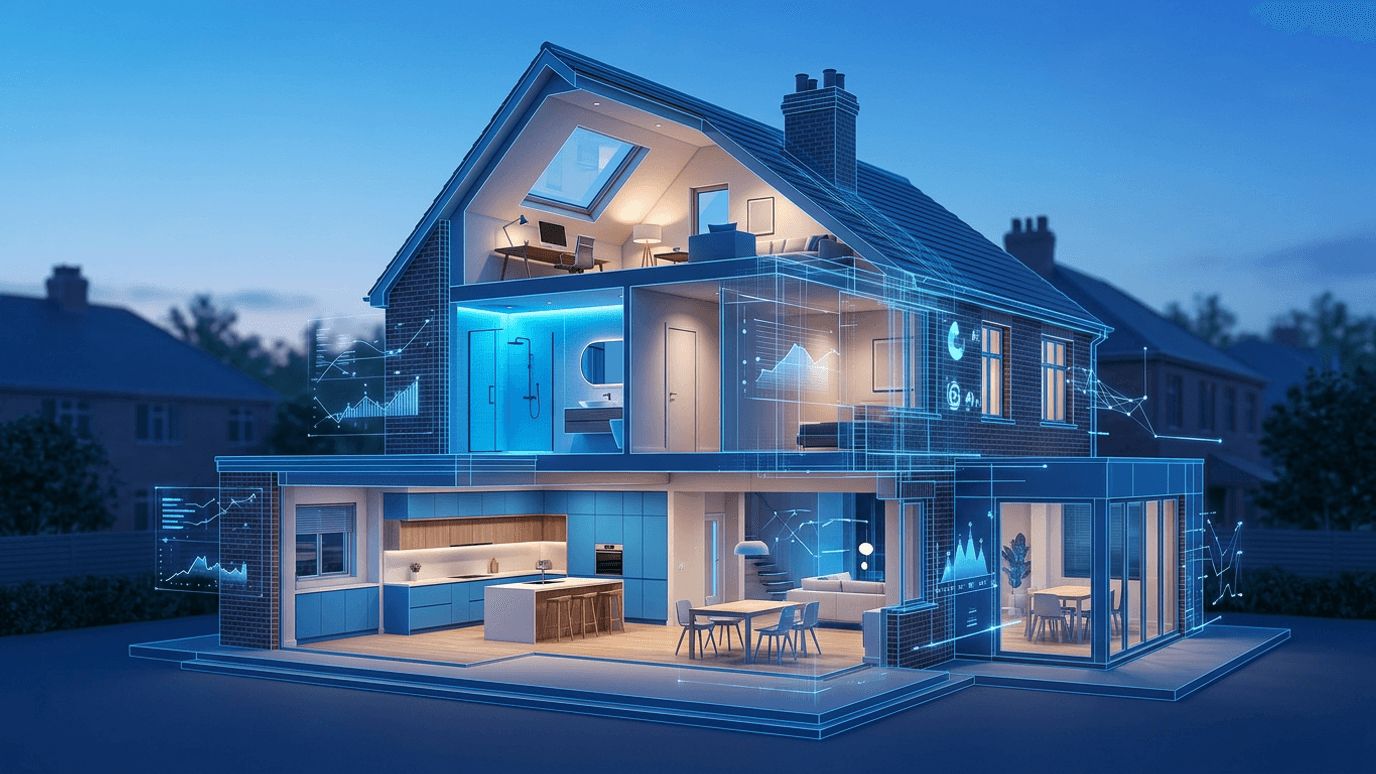
Luton presents interior designers with an unusually varied brief. The town contains Victorian and Edwardian terraces with original proportions and awkward rear extensions, extensive interwar semi-detached housing with compartmentalised layouts, post-war estates, substantial period homes in established residential areas, and a steady flow of new apartments where space efficiency is the central challenge. Add a commercial layer of offices, clinics, restaurants and retail units, and the range of work available locally is considerable.
That variety rewards specialisation. A designer who excels at reconfiguring a narrow terrace to bring light into the middle of the plan may not be the right choice for a corporate office fit-out, and vice versa. Understanding which category of firm suits your project is the most useful first step, and it will save both money and frustration.
1. Full-Service Residential Design Studios
Full-service studios handle a project from initial concept through to final styling. Typical scope includes measured survey, spatial planning, mood boards, three-dimensional visualisation, detailed specification of finishes, joinery drawings, procurement of furniture and fittings, contractor coordination and final installation. This is the right choice for whole-house renovations where dozens of decisions must be sequenced correctly. The value lies as much in project control as in aesthetics.
2. Architectural Interior Practices
Some firms combine architectural capability with interior design, which is essential where walls are moving, extensions are proposed or structural openings are being formed. These practices handle planning applications, building regulations submissions and structural coordination alongside interior specification. For Luton's many rear extension and loft conversion projects, this integrated approach avoids the common problem of a beautiful interior scheme that cannot be built as drawn.
3. Kitchen and Bathroom Design Specialists
Kitchens and bathrooms absorb the largest share of most renovation budgets and carry the greatest technical complexity. Specialist designers focus on ergonomics, appliance integration, ventilation, waterproofing, lighting layers and durable material selection. Their detailed knowledge of manufacturer ranges and lead times is genuinely valuable, particularly when working within the tight footprints common in Luton's older housing stock.
4. Period Property Restoration Designers
Working with Victorian and Edwardian homes requires knowledge that goes well beyond style. Sympathetic designers understand original cornice and skirting profiles, appropriate paint finishes, sash window repair, breathable materials for solid walls and how to introduce modern insulation and heating without causing damp problems. For owners of Luton's period terraces and villas, this expertise protects both the building fabric and its long-term value.
5. Compact and Apartment Space Designers
New build and converted apartments demand a different discipline: maximising usable space without making the interior feel cramped. Specialists in this area focus on bespoke joinery, integrated storage, multifunctional furniture, careful sightlines and lighting that expands perceived volume. Given the number of apartments in and around Luton's centre, this is one of the busiest niches in the local market.
6. Commercial and Workplace Fit-Out Designers
Commercial interior firms serve Luton's offices, business parks and flexible workspace operators. Their brief covers space planning against occupancy targets, acoustic performance, compliance with fire and accessibility requirements, mechanical and electrical coordination, and brand expression through materials and graphics. Businesses undertaking a fit-out should engage this type of firm early, because layout decisions affect lease negotiations and cost planning.
7. Hospitality and Retail Interior Designers
Restaurants, cafés, salons and shops require interiors that perform commercially. Designers in this space consider customer flow, seating density against comfort, lighting that flatters food or products, durability under heavy use, and back-of-house efficiency. They also understand licensing, extraction and hygiene requirements, which can dictate layout more than aesthetics do.
8. Landlord and Investor-Focused Designers
With a substantial rental sector in the town, several firms concentrate on specification for letting. The priorities differ from owner-occupier work: hard-wearing finishes, neutral palettes with broad appeal, easily replaceable components, sensible energy efficiency upgrades and cost control measured against achievable rent. Designers working in this segment think in terms of return on investment and refurbishment cycles rather than personal taste.
9. Independent Designers and Consultants
Luton and the surrounding area support many talented sole practitioners and small studios. They typically offer flexible engagement, including hourly consultancy, single-room schemes, colour and material advice or drawing packages for the client to build from. For homeowners who want professional direction while managing trades themselves, this is often the most sensible and affordable arrangement.
10. Design and Build Contractors
Design and build firms combine design with construction delivery under one contract. The advantage is single-point responsibility and typically faster programmes, since design and build teams are aligned from the start. The trade-off is reduced independent oversight, so clients should agree specification and allowances in unusual detail before work begins and retain the right to approve substitutions.
How to Brief a Designer Effectively
A good brief saves money. Set out how the space will actually be used, who uses it and when, what currently fails, what must be retained and what your genuine budget range is. Designers work far more efficiently with an honest budget figure than with a vague instruction to keep costs reasonable, because budget determines the entire specification strategy.
Collect visual references but explain what you like about each one, since the underlying principle matters more than the image. Be explicit about non-negotiables such as pet-proof flooring, allergy considerations, home working requirements or accessibility needs. Finally, be clear about timing constraints, particularly if a tenancy, sale or family event depends on completion.
Fees, Contracts and Practical Safeguards
Interior designers charge in several ways: fixed fee per room or project, hourly rate, percentage of construction and procurement cost, or a combination. Each is legitimate, but you should understand which applies and what triggers additional charges. Ask how many revision rounds are included, who handles procurement and whether trade discounts are passed on or retained.
Request a written scope of works, a schedule of stages and a clear specification list. Verify professional indemnity insurance where the firm is providing technical advice, and confirm who is responsible for coordinating trades on site. Ask to see at least two completed projects of comparable scale and, where possible, speak to those clients about how variations and delays were handled.
Design Trends Relevant to Luton Homes
Several directions are prominent in current work. Warm, layered neutrals with natural textures continue to dominate residential schemes, offering longevity over short-lived trends. Broken-plan layouts, where spaces are connected but visually separated by joinery, glazing or level changes, are proving more practical than fully open plan, particularly in households where several people work or study at home.
Energy performance has become a design consideration rather than a technical afterthought. Designers are increasingly integrating insulation strategies, efficient heating, improved glazing and ventilation into schemes from the outset, because comfort and running costs now weigh heavily on client priorities. Alongside this, demand for durable, repairable and locally sourced materials continues to grow, reflecting a wider preference for interiors designed to last rather than to be replaced.
Want your brand featured in front of decision-makers? Publish a guest post or get a link insertion in our guides through AAMAX's guest post and link insertion service.
Helpful Links
 SponsoredAAMAX — Full-Service Digital Agency
Write for Us
Share your expertise with our readers. We welcome guest contributions from industry specialists.
Pitch your idea