The Character of Lancaster Interior Design
Interior design in Lancaster is shaped by the buildings themselves. The county contains an extraordinary concentration of historic architecture, from Federal and Victorian row homes downtown to stone farmhouses, bank barns and mid-century suburban ranches. Designers here rarely work with blank rectangular boxes. They work with plaster walls, uneven floors, original millwork, narrow staircases and rooms sized for a different era of living.
That constraint produces a distinctive regional aesthetic. The strongest local work respects original detail while unapologetically modernizing function, opening a cramped kitchen without erasing the character of the house, or introducing contemporary lighting and cabinetry against exposed stone and hand-hewn beams. There is also a strong craft tradition in the region, with skilled woodworkers, metalworkers, tile setters and furniture makers available locally, which allows designers to specify custom pieces that would be prohibitively expensive elsewhere.
The Ten Best Interior Design Firms in Lancaster
1. Stone and Sable Interiors. A full-service studio known for whole-home renovations of historic properties. Their process is unusually thorough, beginning with architectural documentation before any aesthetic decisions are made, which consistently prevents the costly surprises common in older buildings.
2. Conestoga Design House. A larger firm handling both residential and light commercial work, with in-house drafting and project management. Clients undertaking substantial construction value their ability to coordinate directly with contractors and manage the schedule.
3. Marigold Studio. A boutique practice with a warm, layered and distinctly collected aesthetic. They favor vintage sourcing, natural materials and textiles, producing rooms that feel accumulated over decades rather than purchased in a season.
4. Keystone Interiors Group. Focused on new construction and larger suburban homes, this firm works closely with builders from the pre-drywall stage. Getting involved early lets them influence lighting plans, outlet placement and millwork details that are expensive to change later.
5. Hearth and Hollow. Specialists in farmhouse and rural properties, with particular expertise in barn conversions. They understand insulation strategies, timber preservation and how to make cavernous agricultural volumes feel habitable without destroying their character.
6. Prince Street Design Co. An urban-focused studio working on downtown row homes, lofts and small commercial interiors including cafes and retail. Their strength is spatial planning within tight footprints and awkward historic layouts.
7. Juniper and Ash. A younger firm bringing a cleaner, more restrained modern sensibility to the market. Clients who find traditional regional styling too heavy tend to gravitate here for the emphasis on light, negative space and disciplined material palettes.
8. Lancaster Kitchen and Bath Design. A specialist practice concentrating exclusively on the two most technically demanding and expensive rooms. Their depth in cabinetry, plumbing specification, ventilation and appliance integration exceeds what generalist firms typically offer.
9. Wren Hollow Interiors. A designer-led studio offering flexible engagement models, including hourly consultation and e-design packages. This makes professional guidance accessible to homeowners who cannot justify a full-service contract.
10. Ironwood Commercial Interiors. Focused on hospitality, office and retail environments, this firm handles code compliance, accessibility requirements and commercial-grade specification. Restaurants, medical practices and workplaces make up the bulk of their portfolio.
How the Design Process Works
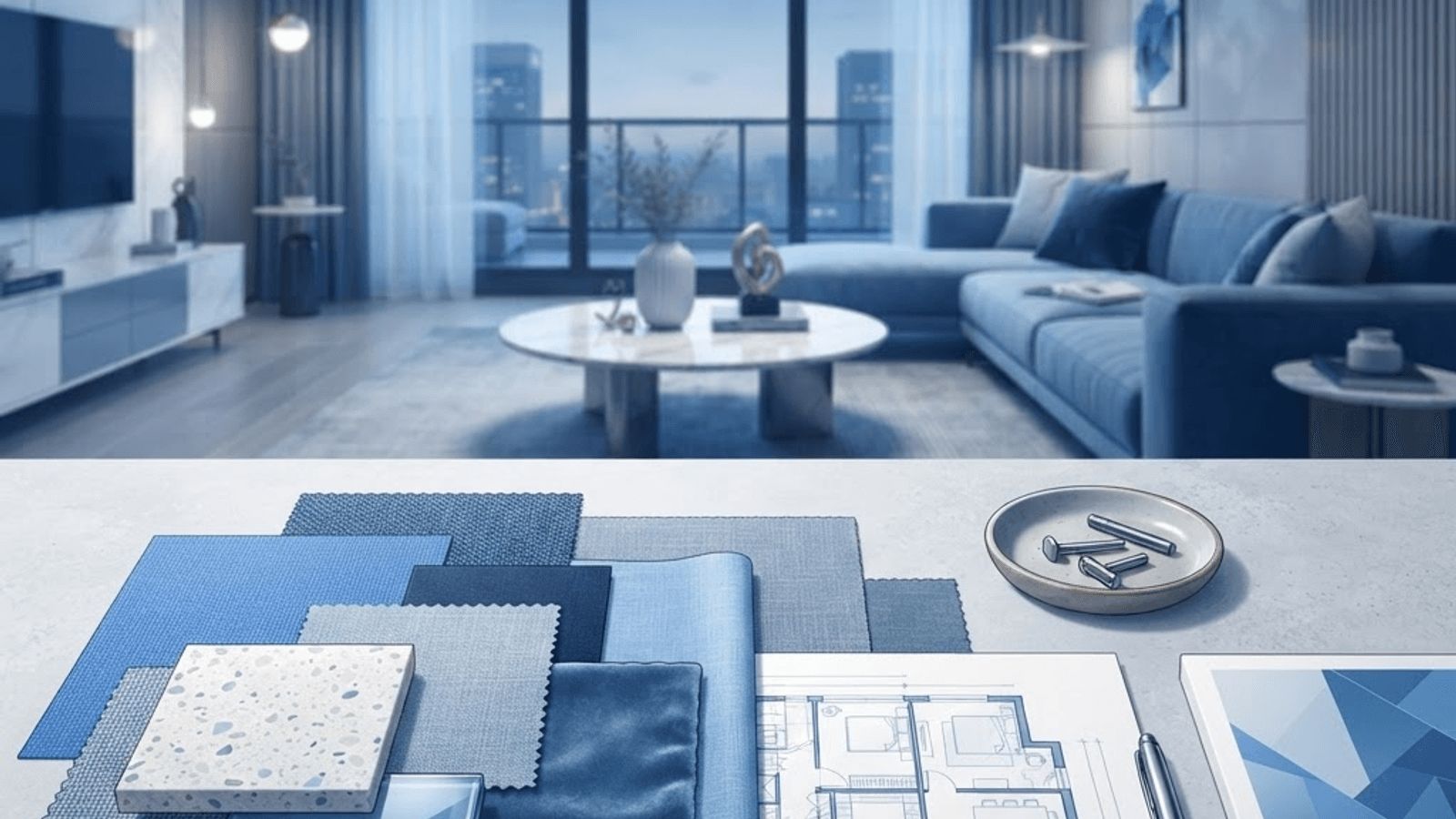
Most firms follow a recognizable sequence. An initial consultation establishes scope, budget and aesthetic direction. Programming and space planning follow, producing floor plans and preliminary layouts. The design development phase brings concept boards, material samples, finish selections and often three-dimensional renderings. Documentation converts approved designs into drawings that contractors can build from. Procurement covers ordering, tracking and receiving furniture and fixtures. Installation and styling complete the project.
Timelines routinely surprise first-time clients. A single room refresh may take two to three months, largely due to lead times on furniture and fabric. A full kitchen renovation typically runs four to eight months from first meeting to final walkthrough. Whole-home projects involving structural work can extend beyond a year, particularly in historic properties where permits and unexpected conditions add delay.
Understanding Fee Structures
Designers charge in several ways, and the model affects both cost and incentives. Hourly billing offers transparency but makes total cost unpredictable. Flat project fees provide budget certainty and suit well-defined scopes. Cost-plus arrangements add a percentage markup to purchased goods. Percentage of project cost is common on large renovations. Per-square-foot pricing appears mostly in commercial work.
Ask directly whether the firm receives trade discounts and how those are handled, since practice varies. Some pass discounts to clients and bill a higher fee, others retain the discount as compensation. Neither is inherently wrong, but you should know which arrangement applies.
Budgeting Realistically
The most common cause of a failed design relationship is a mismatch between expectations and budget. Furnishing a living room to professional standard costs considerably more than most homeowners assume once quality upholstery, custom window treatments, rugs, lighting and art are included. Renovations involving plumbing or electrical relocation escalate quickly, and in older Lancaster homes, opening walls frequently reveals knob-and-tube wiring, failing plaster or structural issues that must be addressed before decorative work proceeds.
Experienced designers build contingency into estimates, typically in the range of fifteen to twenty percent for historic renovations. Treat that contingency as a genuine expectation rather than a worst case.
Choosing Your Designer
Portfolio fit matters more than portfolio quality. A brilliant modernist will not deliver the layered traditional interior you want, and forcing the issue produces mediocre results for everyone. Meet in person, ideally in your own home, and pay attention to whether the designer asks about how you actually live rather than immediately presenting ideas. Request references from projects completed at least a year ago, when the honeymoon period has passed and any durability or service issues have surfaced.
The best outcomes come from clients who communicate honestly about budget from the first conversation and designers who respond with realistic scope rather than optimistic promises.
Want your brand featured in front of decision-makers? Publish a guest post or get a link insertion in our guides through AAMAX's guest post and link insertion service.
Helpful Links
 SponsoredAAMAX — Full-Service Digital Agency
Write for Us
Share your expertise with our readers. We welcome guest contributions from industry specialists.
Pitch your idea