Designing Within a Regency Town
Cheltenham is an unusually demanding and rewarding place to practise interior design. The town's Regency and Victorian building stock brings generous proportions, tall sash windows, decorative plasterwork and fireplaces that give interiors an immediate foundation of character. It also brings practical complications: listed building consent, solid walls with limited insulation, awkward service routing, single glazing and layouts designed for a domestic life that no longer exists.
The best local designers treat these constraints as the brief rather than obstacles to it. Inserting a contemporary kitchen into a Grade II listed Regency house, or improving thermal performance without damaging original joinery, requires a combination of aesthetic judgment and technical knowledge that generalist decorators rarely possess.
Ten Interior Design Practices Serving Cheltenham
1. Cotswold Interior Design Studio
Regional practices working across Cheltenham and the surrounding Cotswolds typically combine a sensitivity to traditional materials with contemporary planning. Stone, timber, wool and natural finishes feature heavily, executed with modern comfort standards rather than pastiche.
2. Montpellier Design House
Located in the town's most design-conscious district, practices of this type serve high-value residential clients seeking a polished, considered result. Full service typically spans concept, space planning, specification, procurement, project management and final styling.
3. Regency Restoration Interiors
Specialists in listed and conservation-area property, these designers work closely with conservation officers, heritage joiners, plasterers and specialist decorators. Their knowledge of appropriate paint systems, historic colour palettes and reversible intervention is essential for owners of protected buildings.
4. Cheltenham Kitchen and Bathroom Design
Kitchen and bathroom specialists occupy a distinct niche, combining spatial design with detailed technical knowledge of plumbing, ventilation, appliance specification and waterproofing. These two rooms consume a disproportionate share of most renovation budgets, which justifies specialist input.
5. Pittville Interiors
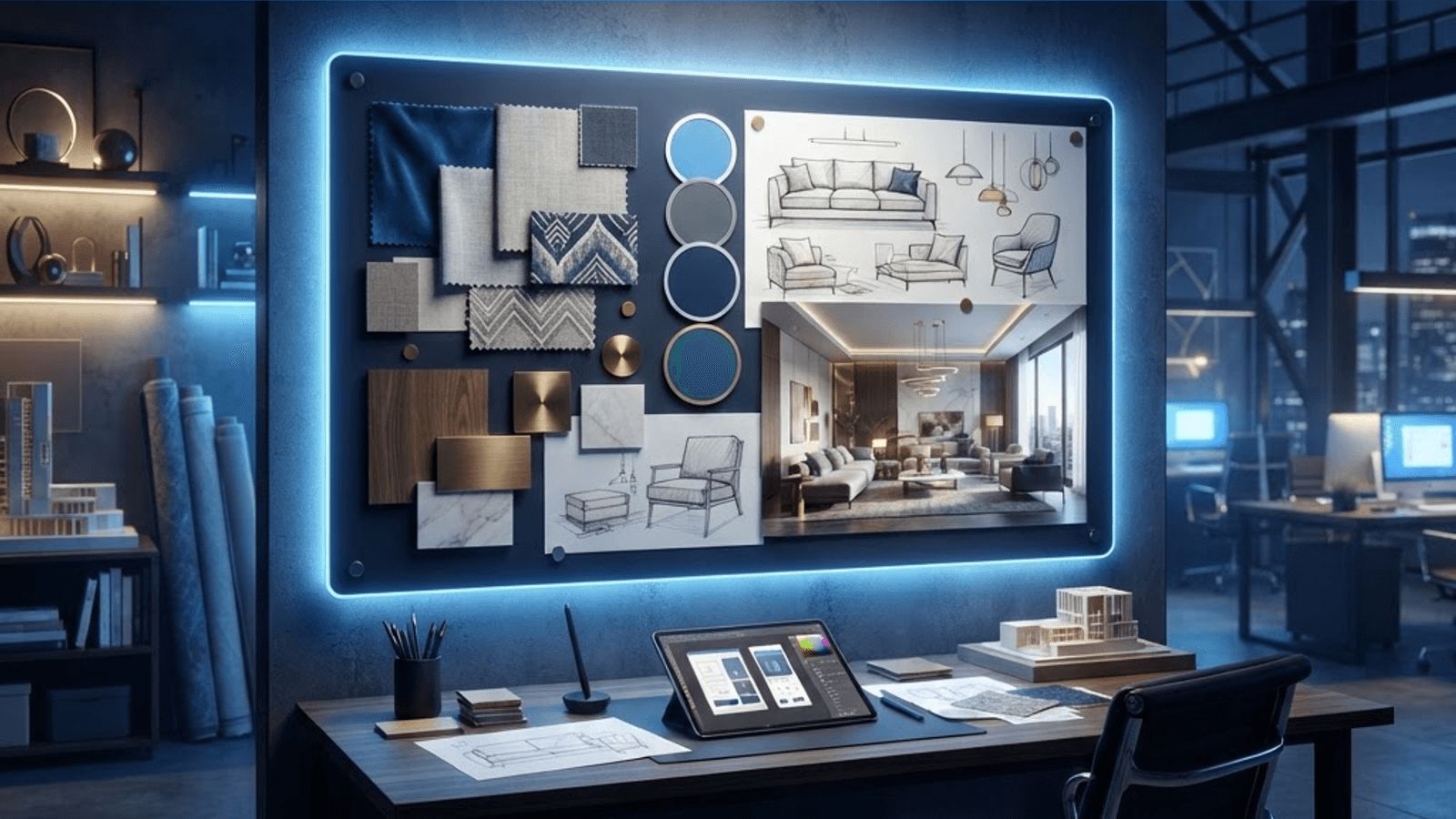
Mid-market residential practices offering consultation-based services suit homeowners who want professional direction without full project management. Typical deliverables include space plans, mood boards, furniture schedules and paint specifications that the client then implements.
6. Commercial Interior Design Gloucestershire
Office, hospitality and retail interiors follow different rules from residential work, governed by building regulations, accessibility requirements, fire safety, acoustics and durability standards. Cheltenham's growing technology sector has generated substantial demand for workplace design that supports both collaboration and concentration.
7. Sustainable Interiors Collective
An expanding segment of the market specialises in low-impact design: reclaimed and reused materials, natural insulation, low-emission finishes, responsibly sourced timber and furniture designed for longevity and repair. For owners of solid-wall period property, breathable, moisture-tolerant specification is a technical necessity as much as an environmental preference.
8. Charlton Kings Home Interiors
Family-focused residential designers concentrate on practical, durable schemes for busy households: robust materials, generous storage, flexible rooms and finishes that tolerate real life. This is considerably harder to do well than it sounds.
9. Cheltenham Lighting Design Consultants
Lighting is the element most consistently underinvested in and most transformative when done properly. Specialist consultants design layered schemes combining ambient, task, accent and decorative lighting, with control systems and colour temperature considered room by room.
10. Independent Freelance Designers and Stylists
The town supports a strong community of independent designers working on smaller projects, single rooms and styling commissions. For clients with a limited budget or a narrow scope, an experienced freelancer often delivers better value than a full practice.
Understanding Service Levels and Fees
Interior design services are usually structured in tiers. A consultation provides advice, direction and a written summary without ongoing involvement. Concept design adds mood boards, layouts and a specification schedule that the client executes. Full service extends to procurement, contractor coordination, site visits and installation, with the designer effectively acting as project manager.
Fee models vary. Hourly rates suit small or undefined scopes. Fixed project fees provide certainty where the brief is well established. Percentage-of-project-cost fees are common on larger renovations but create an obvious incentive question that should be discussed openly. Some designers also take trade discounts on furniture and materials, either passing them to the client or retaining them as part of their remuneration. Clarify this arrangement in writing before appointment.
How to Work Effectively With a Designer
Bring a budget, not a range. Designers cannot specify meaningfully without knowing the financial envelope, and a vague brief produces either disappointment or expensive redesign. Include a contingency of at least ten to fifteen per cent, higher for period property where opening up walls and floors reliably reveals surprises.
Communicate how you actually live rather than how you would like to be perceived. Honest information about children, pets, cooking habits, entertaining patterns and untidiness produces a scheme that survives contact with reality. Designers are not judging; they are specifying.
Assemble visual references, including things you dislike. Negative references are frequently more informative than positive ones, because they identify boundaries quickly and prevent wasted concept work.
Agree the decision-making process. On any project involving contractors, delays are usually caused by slow client decisions rather than slow trades. Establish who signs off, how quickly, and what happens when opinions within a household diverge.
Current Directions in Interior Design
Several themes are visible in Cheltenham projects. Colour has returned decisively, with deep greens, ochres, clay tones and heritage-influenced palettes replacing the grey-dominated schemes of the preceding decade. In period properties this often reflects genuine historic colour research rather than fashion alone.
Natural materials and visible texture are favoured over high-gloss finishes: limewash and clay paints, unlacquered brass, solid timber, stone and natural fibre textiles. These age rather than deteriorate, which suits both the buildings and a growing preference for longevity.
Flexibility remains important. Home working has not reversed, and designers are planning for rooms that serve multiple functions across a day, with joinery, acoustics and lighting designed to support the transition.
Final Thoughts
Cheltenham's design community is strong precisely because the town's buildings demand skill. Whether restoring a listed Regency townhouse, reconfiguring a Victorian family home or fitting out contemporary workspace, the right designer will begin by understanding the building and how you use it rather than by presenting a style. Meet at least two practices, review completed projects in person where possible, and choose the designer whose questions are better than their portfolio.
Want your brand featured in front of decision-makers? Publish a guest post or get a link insertion in our guides through AAMAX's guest post and link insertion service.
Helpful Links
 SponsoredAAMAX — Full-Service Digital Agency
Write for Us
Share your expertise with our readers. We welcome guest contributions from industry specialists.
Pitch your idea