The Case for Hostelling in South Derbyshire
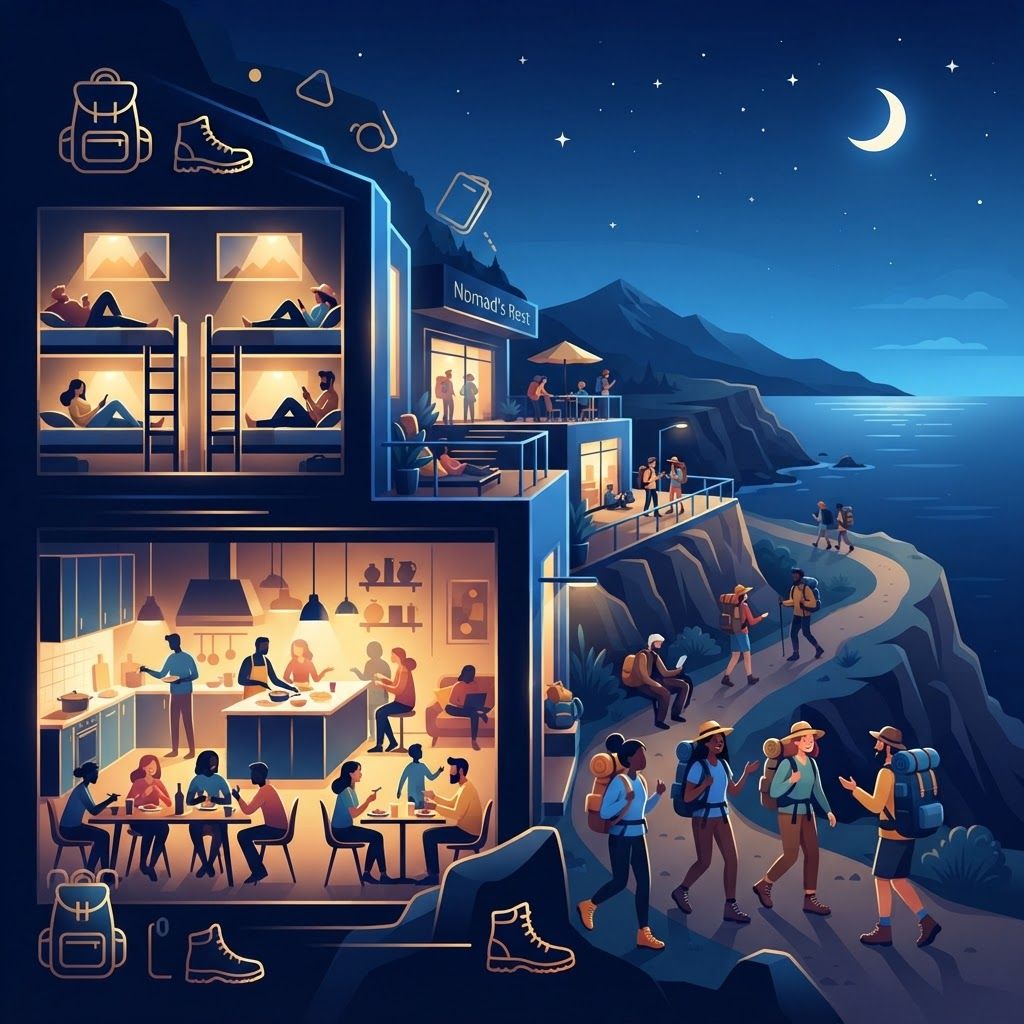
Hostels in South Derbyshire serve a very particular kind of traveller: the walker linking National Forest trails, the cyclist riding canal towpaths, the climber heading north towards the Peak District, and the school or scout group looking for affordable group accommodation within easy reach of the Midlands. Because the district sits at the crossroads of the East Midlands, hostel accommodation here is remarkably well connected while still feeling genuinely rural.
The economics are compelling. A dormitory bed or a bunkhouse room typically costs a fraction of a hotel night, and the self-catering kitchens found in most properties reduce the overall trip budget further. For families and groups, sole-use bookings of small bunkhouses often work out cheaper than several hotel rooms while offering far more communal space.
How Hostel Accommodation Has Evolved
The stereotype of the cold, spartan hostel is long out of date. Across Derbyshire, operators have invested heavily in the past decade. Expect proper heating, hot showers, drying rooms for wet kit, secure cycle storage, lockers, decent mattresses and increasingly good connectivity. Many now offer private rooms alongside dorms, blurring the line between hostel and small guesthouse.
Sustainability has become a defining feature. Hostels tend to have a naturally lower carbon footprint per guest than hotels, and many properties in and around the National Forest lean into that, with biomass heating, solar panels, rainwater harvesting and strict recycling. Guests who care about low-impact travel often choose hostels for exactly this reason.
Ten Recommended Hostels and Bunkhouses
YHA National Forest is the flagship option for the area. Purpose-built with eco credentials at its core, it offers a mix of dormitories and private family rooms, a café-bar, extensive grounds and direct access to woodland trails. It is the natural first choice for families and first-time hostellers.
Conkers group and activity accommodation near Moira serves the Conkers discovery centre and surrounding forest sites. Its strength is group provision: large bunkrooms, catering options and on-site activity programming make it a mainstay for school residentials and youth groups.
Rosliston Forestry Centre lodges and bunk accommodation provide a slightly more comfortable rung on the budget ladder. Set in a working forestry site with cycle hire, wildlife hides and walking routes, it suits visitors who want hostel pricing with a little more privacy.
Melbourne area bunkhouses and camping barns occupy converted agricultural buildings on the edge of the village. They are typically sole-use bookings with a simple kitchen, shared washrooms and a large communal room, and they are popular with cycling clubs riding the lanes towards Staunton Harold and Calke.
Willington canal-side backpacker accommodation caters to towpath walkers and narrowboat crews. The appeal is location: the Trent and Mersey Canal, a railway station and several good pubs are all within a few minutes on foot.
Hartington Hall YHA, further north in the Derbyshire Dales, remains one of the most loved hostels in the county. A seventeenth-century manor house with oak panelling, log fires and a bar, it demonstrates how far hostelling has come and is a regular overnight stop for those walking the Tissington and High Peak trails.
YHA Ilam Hall, set in a National Trust estate near Dovedale, is another popular choice for South Derbyshire visitors extending their trip. Its grand setting and riverside grounds make it feel far more expensive than it is.
Ashbourne independent hostels and walker bunk rooms sit at the gateway to the Tissington Trail and serve the heavy cycling traffic on that route. Expect simple accommodation, strong local knowledge and excellent bike facilities.
Burton upon Trent budget group accommodation provides an urban alternative on the district's western edge, useful for visitors combining brewery heritage tours with countryside walking.
Farm campsites with camping barns around Ticknall and Ingleby complete the picture. These are the most basic and the cheapest, often little more than a heated stone barn with a kitchen area, but for hardy walkers and climbers they are ideal.
What to Look for When Booking
Check the sleeping arrangement carefully. Some properties are dormitory only, others are sole-use bunkhouses that require booking the whole building. For couples or families, confirm whether private rooms exist before assuming availability.
Look at catering. Self-catering kitchens are standard, but quality varies from a basic hob to a full commercial kitchen suitable for group cooking. If travelling with a large group, ask about catered options, which many activity centres provide at competitive rates.
Consider transport. Willington and Burton upon Trent have railway stations, while rural bunkhouses may require a car or a long walk from the nearest bus stop. Cyclists should confirm secure indoor storage rather than assuming an outdoor rack is available.
Finally, check seasonality. Many camping barns and smaller bunkhouses close or reduce operations in deep winter, and group bookings can take over entire properties during school holidays and summer weekends.
Industry Trends Worth Knowing
Three developments are reshaping budget accommodation locally. The first is the growth of activity tourism. Hostels increasingly bundle accommodation with cycling, climbing, bushcraft or wildlife experiences, creating packages rather than beds. The second is the private room shift. Recent demand for private space has led many operators to convert dormitories, raising average prices slightly but widening the customer base.
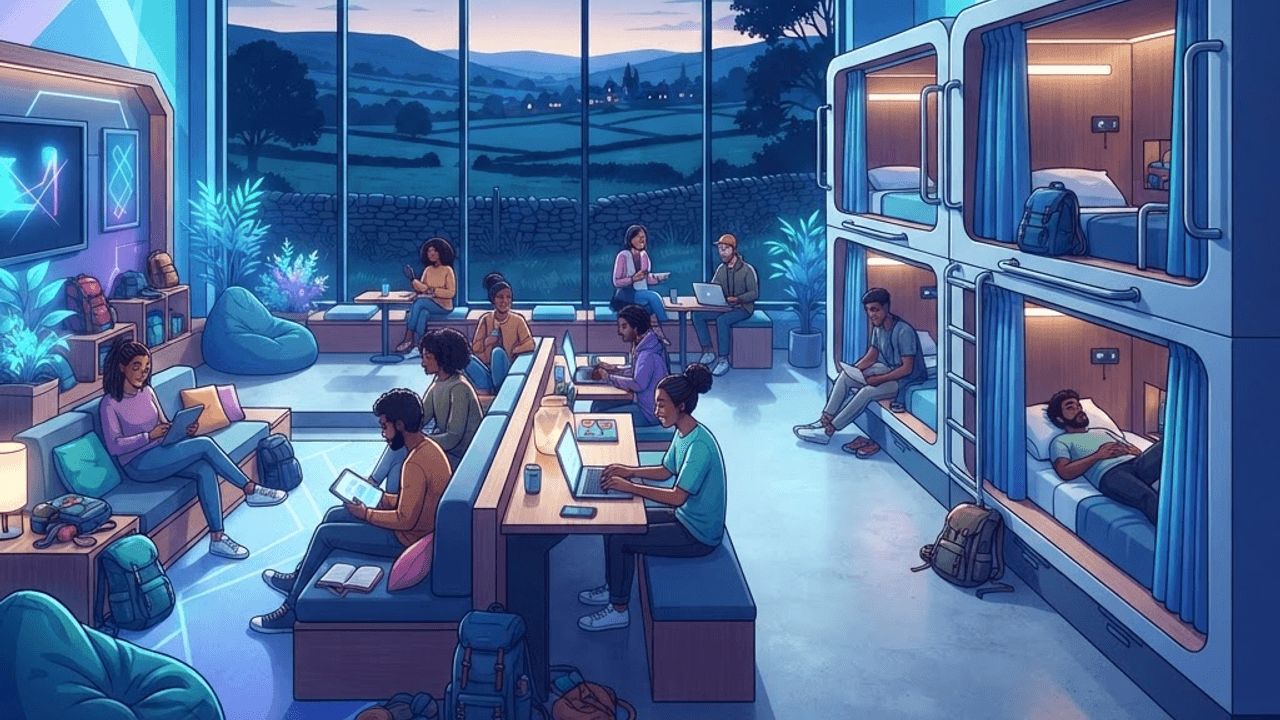
The third is the rise of the remote-working hosteller. Reliable connectivity and quiet workspaces have become genuine booking factors, and properties that invested in fibre and desk space have captured longer midweek stays that were previously impossible in this market.
Final Thoughts
Hostelling in South Derbyshire delivers exceptional value and access to landscapes that are genuinely worth exploring. From eco-built family hostels in the National Forest to simple stone camping barns on working farms, the range is broader than most visitors expect. Book early for summer, pack for changeable Midlands weather, and take advantage of the communal kitchens and shared lounges that make this style of travel so sociable.
Want your brand featured in front of decision-makers? Publish a guest post or get a link insertion in our guides through AAMAX's guest post and link insertion service.
Helpful Links
 SponsoredAAMAX — Full-Service Digital Agency
Write for Us
Share your expertise with our readers. We welcome guest contributions from industry specialists.
Pitch your idea