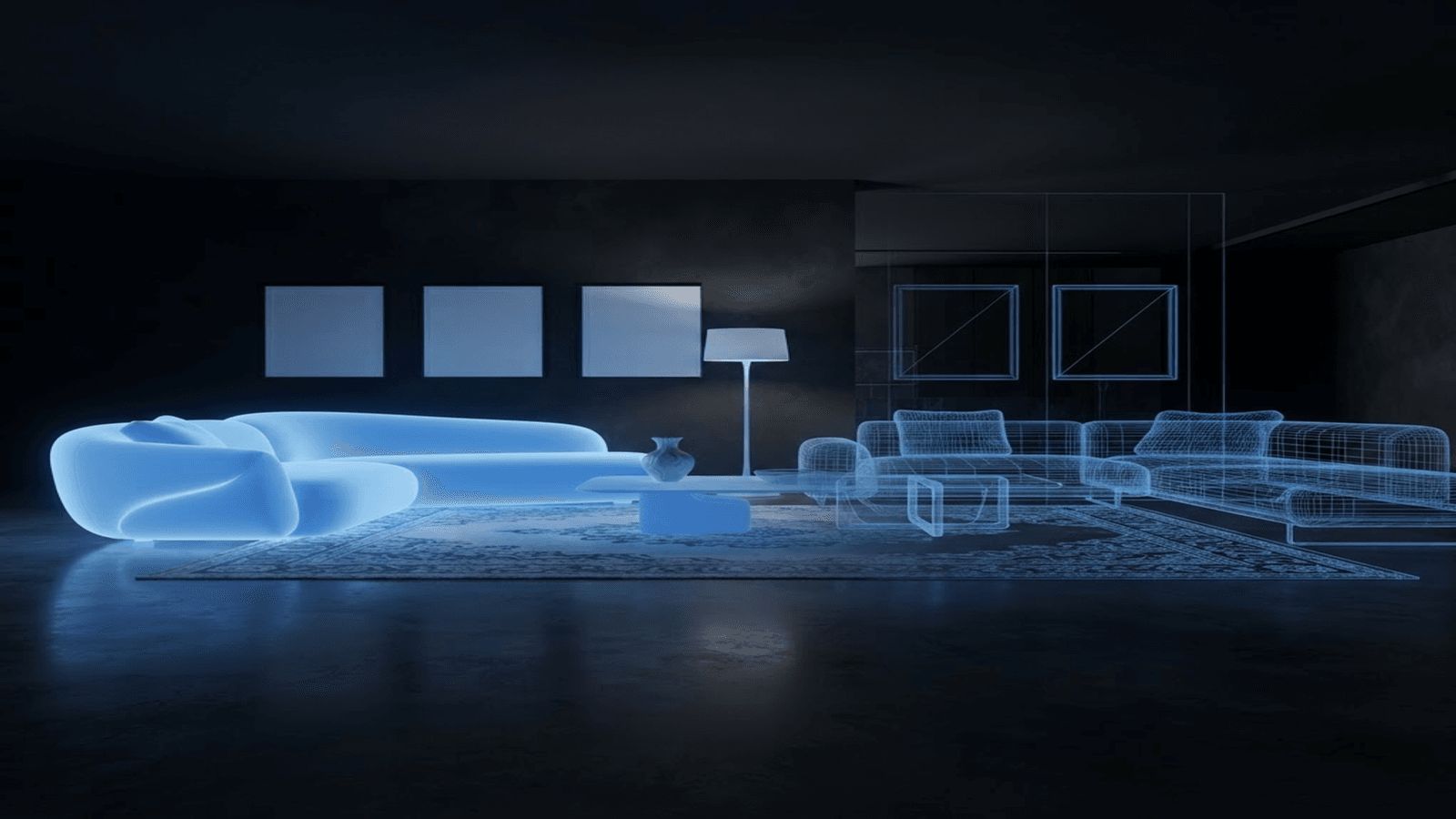
What Home Staging Actually Does
Home staging is the practice of preparing a property for sale so that it appeals to the widest possible pool of buyers. It is not decoration for the owner's benefit, nor is it renovation. It is a commercial exercise in presentation, designed to help buyers imagine themselves living in a space and to ensure that photography and viewings show the property at its strongest.
The commercial logic is straightforward. The majority of buyers form an initial impression from online photographs within seconds. In a borough like Hinckley and Bosworth, where a buyer might be comparing a 1930s semi in Hinckley, a new build in Barwell and a period cottage near Market Bosworth in the same afternoon, standing out in the portal listing is decisive. Industry research consistently indicates that professionally staged homes attract more viewings and spend less time on market than comparable unstaged properties.
The Local Housing Context
Staging strategy in the borough varies significantly by property type. Victorian and Edwardian terraces in Hinckley and Earl Shilton often have narrow proportions and dark hallways, so staging focuses on lightening, decluttering and defining room purpose. Post-war semis benefit from showing flexible use of a third bedroom or a defined home office area. New-build homes in Barwell, Groby and the larger estates frequently need softening, since developer interiors can feel impersonal, and buyers respond to warmth and texture.
Period cottages and converted barns around Market Bosworth and the villages need a different approach entirely. Here staging usually means emphasising original features, beams, fireplaces and views while avoiding overcrowding rooms with furniture. Rural buyers respond to a sense of space and light rather than a fully dressed, catalogue-style interior.
Types of Staging Service Available
Several service models operate in Leicestershire and are accessible to borough vendors. Consultation-only services involve a professional walkthrough with a detailed written report advising on decluttering, furniture placement, paint colours and minor repairs. This is the lowest cost option and is often sufficient for owner-occupied properties in reasonable condition.
Partial staging supplements existing furniture with hired accessories, artwork, soft furnishings, mirrors and lighting to fill gaps and unify a scheme. This suits occupied homes where the core furniture is acceptable but the overall presentation lacks cohesion.
Full staging applies to vacant properties and involves hiring and installing a complete furniture package. This is the most expensive option but produces the strongest visual result and is commonly used for higher value homes, probate sales and developer show units.
Show home styling is a distinct commercial service used by housebuilders. National and regional developers active in the borough commission specialist interior styling firms to create show homes, and several of these firms also accept private commissions.
Providers and the Professional Landscape
The UK staging sector is served by a mix of national networks and regional independents. The Home Staging Association UK and Ireland acts as the industry body, maintaining professional standards and a directory of accredited members covering the Midlands. Vendors should look for association membership, as the sector is otherwise unregulated.
Regional interior styling and staging businesses operating across Leicestershire, Warwickshire and the wider East Midlands provide the bulk of local capacity. Many are founded by interior designers who have specialised in the sale-preparation niche, and their portfolios usually demonstrate before-and-after results that are the most reliable indicator of quality.
Furniture hire specialists such as David Phillips operate nationally and supply staging packages to developers, investors and private vendors, often working alongside a local stylist who handles installation and dressing.
Estate agencies in the borough frequently partner with staging and photography providers, and several of the more design-led agencies now include basic styling advice within their marketing package. Asking an agent for their recommended stylist is often the simplest route to a trusted local provider.
Cost and Return
Consultation services are typically a modest fixed fee, while partial staging is priced per room. Full staging of a vacant property is usually quoted as an installation fee plus a monthly hire charge, with a minimum hire period. Costs scale with property size and the quality of the furniture package.
The return should be assessed against two variables: the price achieved and the holding cost of a longer sale. A property that sells four weeks faster saves a month of mortgage interest, council tax, utilities and insurance, which alone can offset a significant portion of staging cost. Where staging lifts a property above a psychological price threshold on the portals, the return can be substantially greater.
Practical Steps Vendors Can Take
Much of staging's benefit comes from work that costs little. Decluttering is the single highest-impact action, and removing roughly a third of possessions from a room typically transforms how large it appears. Depersonalising, by removing family photographs and highly specific decoration, helps buyers project themselves into the space.
Deep cleaning, attending to minor repairs, neutralising bold paint colours and improving lighting with higher-output warm bulbs are all inexpensive and effective. Kerb appeal deserves particular attention in the borough, where tidy front gardens, clean driveways, painted front doors and clear house numbers materially affect first impressions.
Scent and temperature matter at viewings. A warm, fresh-smelling house in winter and a light, airy one in summer both perform better than an identical property presented poorly.
Trends in Staging
Virtual staging, where furniture is digitally added to photographs of empty rooms, has grown rapidly and costs a fraction of physical staging. It must be disclosed clearly to avoid misleading buyers, but it is effective for online engagement. Sustainability is also influencing the sector, with more stylists using rented, reclaimed and locally sourced pieces. Finally, staging now routinely includes showcasing home working space and energy efficiency features, reflecting what current buyers prioritise.
Final Thoughts
In a varied market like Hinckley and Bosworth, presentation is one of the few variables a vendor fully controls. Whether through a full professional package or a well-executed consultation and self-implementation, staging is among the most reliable investments available in the selling process.
Want your brand featured in front of decision-makers? Publish a guest post or get a link insertion in our guides through AAMAX's guest post and link insertion service.
Helpful Links
 SponsoredAAMAX — Full-Service Digital Agency
Write for Us
Share your expertise with our readers. We welcome guest contributions from industry specialists.
Pitch your idea