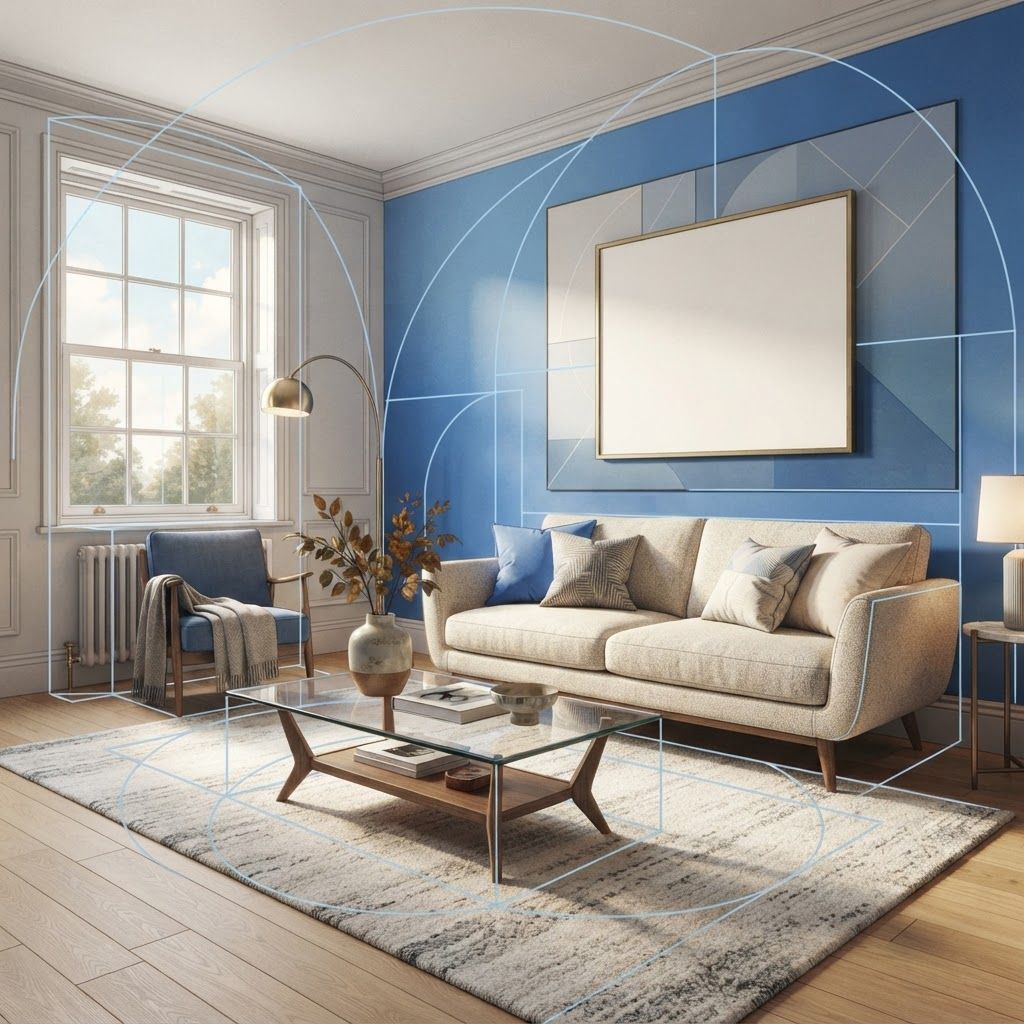
Why Staging Matters More Than Sellers Expect
The overwhelming majority of property searches begin online, and a buyer typically decides whether to arrange a viewing within seconds of seeing the first image. That reality has changed the economics of preparing a home for sale. Presentation is no longer about tidying before viewings; it is about producing photographs and a physical space that compete effectively against everything else listed in the same week.
In East Hampshire the stakes are particularly interesting because the housing stock is so varied. A Georgian townhouse in Alton, a flint cottage in a downland village, a converted barn near Selborne and a new-build family home in Whitehill and Bordon all require entirely different treatment. Generic staging advice — neutral paint, remove clutter, bake bread — is largely useless in a district where the buyer for a period cottage is actively seeking character rather than blankness.
Good staging in this market is therefore about clarity rather than sterility. It identifies what a property genuinely offers, removes everything that distracts from it, and helps a buyer understand how the space would work for them.
The Ten Types of Staging Service
Full property staging for vacant homes is the most transformative service. Empty rooms photograph poorly and make it difficult for buyers to judge scale, so professional stagers install furniture, lighting, artwork and accessories throughout, usually on a rental basis for the marketing period. For probate sales, repossessions and newly completed properties, this frequently makes the difference between a slow sale and a competitive one.
Occupied home styling works with the seller's existing furniture, editing rather than replacing. A stylist will remove around a third of the contents, rearrange furniture to improve flow and sightlines, introduce a small number of rented accessories and prepare each room for photography. It is considerably cheaper than full staging and suits most family homes.
Consultation-only services provide a detailed room-by-room written report that the seller implements themselves. For sellers willing to do the work, this delivers much of the benefit at a fraction of the cost and is the most common entry point.
Photography-focused styling concentrates effort entirely on the shoot day, dressing only what appears in frame. It is efficient where budget is tight, though the property must still present well at physical viewings.
Virtual staging digitally furnishes empty rooms. It is inexpensive and fast, but must be clearly disclosed to avoid misleading buyers under material information requirements, and it cannot help once a buyer walks through the door.
Decluttering and organising services address the underlying problem rather than concealing it, often combined with storage hire. Professional organisers frequently work alongside house moves and downsizing, and in East Hampshire's older properties with limited built-in storage, this service alone can transform how a home shows.
Pre-sale refurbishment and cosmetic renovation covers redecoration, flooring, kitchen door replacement, regrouting and minor repairs. Where a property has genuine cosmetic tiredness, targeted refurbishment usually returns more than staging alone, and specialist firms manage the whole process for sellers who have already moved out.
Garden and exterior staging is particularly important in this district. Kerb appeal, tidy hedging, pressure-washed paths, planted pots at the entrance and a well-presented garden materially affect both photographs and first impressions. Rural properties with paddocks or outbuildings benefit enormously from having these spaces presented as usable assets rather than neglected extras.
Heritage and period property specialists understand how to present listed buildings, timber framing, inglenooks and flagstone floors without either over-modernising or allowing a property to feel dark and dated. This is a genuine specialism and the wrong approach can actively reduce interest.
New build and show home styling serves developers across the district, creating aspirational interiors that help buyers visualise finished schemes. The techniques developed here — scaled-down furniture, careful lighting, consistent palettes — have filtered into the wider staging market.
What Works Specifically in East Hampshire
Light is the first priority. Period cottages with small windows and deep reveals need layered lighting, mirrors placed to reflect windows and pale, warm-toned walls rather than cold greys. Heavy curtains should be removed or tied well clear of the glass.
Second, the countryside connection should be emphasised. Properties here sell partly on their setting, so sightlines to gardens and views should be opened up, garden furniture staged to suggest outdoor living, and any footpath or Downs access made obvious in the marketing.
Third, storage and practicality reassure family buyers. Boot rooms, utility spaces and outbuildings should be presented as organised and functional, since buyers moving to a rural district are thinking about muddy boots, dogs and bicycles.
Finally, resist the urge to strip character. Buyers paying a premium for a flint cottage want the flint, the beams and the fireplace to be the focal points. The role of staging is to frame those features, not to bury them under a neutral scheme.
Measuring the Return
Industry surveys consistently suggest staged homes sell faster and achieve better prices than comparable unstaged properties, though results vary by market conditions and property type. The more reliable way to think about it is in relative terms: staging typically costs a small fraction of the first price reduction a seller would otherwise make. If a professional presentation prevents a single reduction, it has paid for itself several times over.
The secondary benefit is speed. Properties that generate strong early interest tend to sell within the first few weeks at close to asking price. Those that stall accumulate portal history, invite lowball offers and often sell for less after months on the market.
Choosing a Stager
Ask to see before-and-after portfolios of properties similar to yours, ideally in the same district. Confirm what is included: does the fee cover furniture rental for a defined period, installation, de-staging and extension charges if the sale takes longer than expected? Clarify insurance arrangements for rented items.
Coordinate with your estate agent from the outset. The best outcomes occur when agent, stager and photographer work to a single plan, with the shoot scheduled for the right time of day and the right season. Photographing a garden property in January when it could wait until April is a common and costly mistake.
Final Thoughts
Staging is not decoration; it is marketing. In East Hampshire, where buyers are often paying a premium for character and setting, effective staging is about revealing what makes a property distinctive and making it effortless for a buyer to imagine living there. Done well, it shortens the sale, protects the asking price and turns a good property into an obvious one.
Want your brand featured in front of decision-makers? Publish a guest post or get a link insertion in our guides through AAMAX's guest post and link insertion service.
Helpful Links
 SponsoredAAMAX — Full-Service Digital Agency
Write for Us
Share your expertise with our readers. We welcome guest contributions from industry specialists.
Pitch your idea