Winchester's Interiors Character
Winchester has a strong sense of visual identity, shaped by its architecture. The city's flint and brick buildings, Georgian proportions and Victorian terraces create interiors with particular characteristics: generous ceiling heights in period homes, deep window reveals, original fireplaces and, frequently, awkward room shapes that resist standardised furniture.
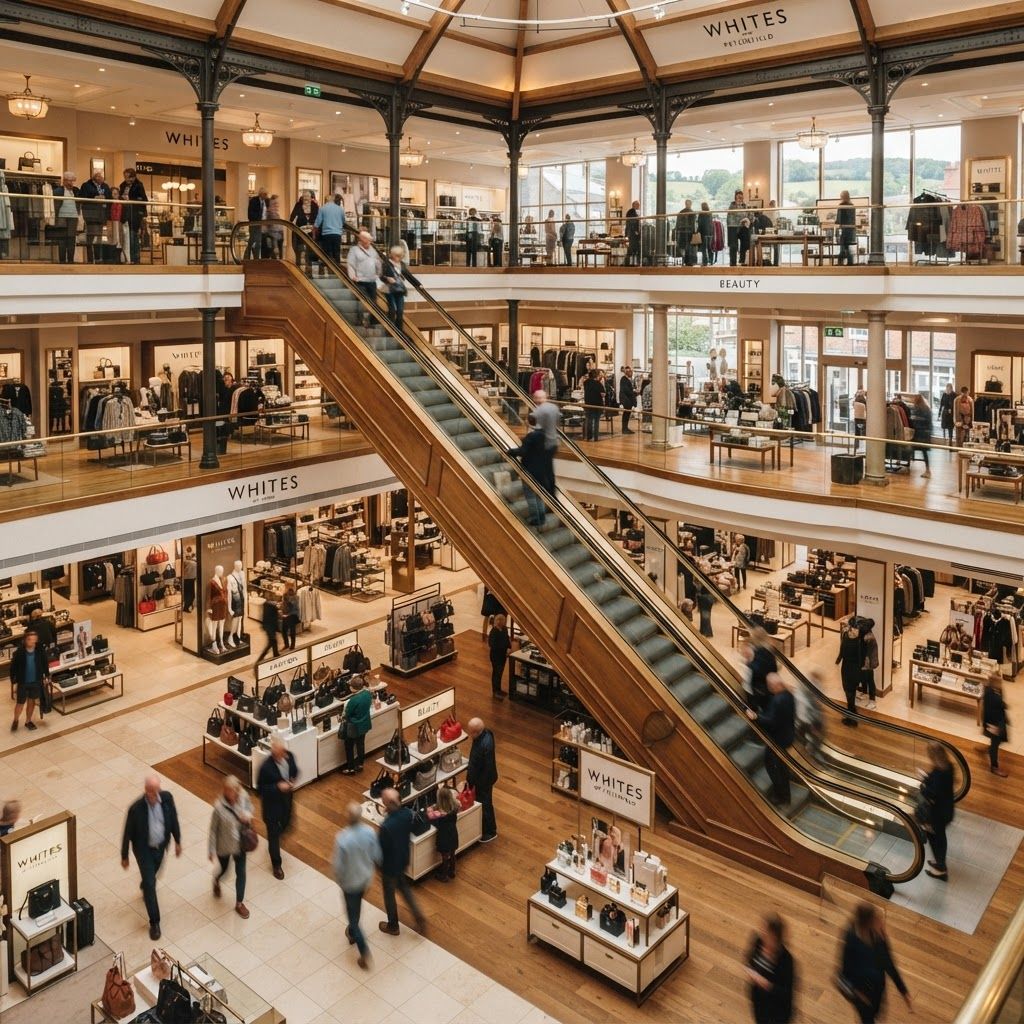
This has produced a local decor market that leans toward considered, quality-driven purchasing rather than fast interiors. The city's independent retail sector, concentrated around the High Street, Parchment Street, Jewry Street and The Square, supports brands that emphasise craftsmanship, natural materials and longevity. Alongside this sit national names offering broader ranges and contemporary design.
Design Trends Shaping Local Interiors
Several trends dominate current Winchester interiors. Warm neutrals and earthy tones have replaced the cool greys that defined the previous decade, with clay, ochre, olive and terracotta appearing widely. Natural materials are central: solid timber, linen, wool, rattan, stone and unlacquered brass that develops patina.
There is also a marked return to pattern, particularly in wallpaper and textiles, often drawing on English decorative traditions reinterpreted in modern colourways. Vintage and antique pieces are being mixed with contemporary furniture rather than kept separate, producing layered interiors with visible history. Finally, sustainability influences purchasing, with growing interest in repair, reupholstery and provenance.
Ten Notable Home Decor Brands and Retailers
Cathedral Interiors is known for classic English decorating: upholstered furniture, traditional fabrics and a curated approach to colour. It appeals to owners of period homes seeking pieces that sit naturally within original architecture.
Winchester Home Studio offers a contemporary selection with an emphasis on clean lines, functional design and neutral palettes. It has become a popular source for those furnishing newer properties around the city's northern developments.
Itchen Living focuses on natural materials and artisan production, stocking handmade ceramics, woven textiles and solid timber furniture. Its buying philosophy prioritises makers over volume, which gives the range a distinctive character.
Hampshire Textiles and Furnishings specialises in fabrics, curtains, blinds and upholstery. Made-to-measure window treatments are especially relevant in Winchester, where period windows rarely conform to standard sizes.
St Cross Antiques and Interiors combines antique furniture with decorative accessories. Antique pieces suit older properties particularly well and often represent better value than new furniture of comparable quality.
Weeke Lighting Company concentrates on decorative lighting, from pendants and wall lights to table lamps and shades. Lighting is consistently the most underestimated element of interior design, and specialist retailers help buyers layer sources effectively.
Wessex Kitchen and Dining stocks tableware, glassware, cookware and dining accessories. With Winchester's strong food culture, well-designed kitchenware has a ready audience.
Kings Worthy Rugs and Flooring offers rugs, runners and natural floor coverings including sisal, seagrass and wool. Rugs define zones in open-plan spaces and soften the hard floors common in renovated period homes.
Alresford Road Paint and Wallpaper supplies premium paints and wallpapers with colour consultation. Heritage paint ranges with complex pigmentation behave differently in period rooms, shifting noticeably with changing natural light.
Southdown Bespoke Furniture completes the list, producing made-to-measure pieces. Bespoke furniture solves the recurring problem of irregular alcoves, sloping ceilings and unusual room proportions found throughout the city's older housing.
Decorating Period Properties Sensitively
Period homes reward a thoughtful approach. Original features such as cornicing, skirting, picture rails and fireplaces should generally be celebrated rather than concealed. Colour choice matters because older properties often have less natural light, and very pale cool colours can read as grey and lifeless. Warmer, more saturated tones frequently work better.
Scale is critical. High ceilings demand furniture and artwork with sufficient presence; pieces sized for modern rooms can look lost. Conversely, cottage interiors with low ceilings need restraint. Window treatments should respect original proportions rather than obscuring them.
For listed properties, alterations to fixed elements may require consent. Decorative changes are usually unrestricted, but replacing original joinery, altering fireplaces or changing window arrangements often is not.
Buying Well Rather Than Often
The most useful principle in home decor is to invest where it matters. Upholstered seating, dining tables, beds and mattresses receive heavy daily use and justify higher spending on construction quality. Look for hardwood frames, proper joinery, quality foam or feather fill, and fabrics with appropriate rub ratings.
Accessories, by contrast, can be changed seasonally at modest cost. Cushions, throws, ceramics and artwork allow a room to evolve without replacing core pieces. This approach produces interiors that mature well rather than dating abruptly.
Reupholstery deserves consideration too. A well-made older sofa frame reupholstered in current fabric often outperforms a new mid-range replacement in both quality and environmental terms, and Winchester has skilled upholsterers serving this market.
Working with Independent Retailers
Independent shops offer advantages beyond product. Staff typically have genuine product knowledge, can advise on scale and combination, and often provide fabric samples and paint testers to trial in situ. Many offer ordering from wider supplier catalogues than the showroom displays, and some provide interior design consultation.
Supporting these businesses also sustains the character of Winchester's retail streets, which is itself part of what makes the city attractive to residents.
Practical Advice for Decorating Projects
Always test paint colours on the actual wall, in large patches, and observe them across a full day. Light in Winchester's period rooms shifts dramatically between morning and evening, and a colour chosen under showroom lighting frequently disappoints.
Measure carefully, including access routes. Narrow Victorian staircases and tight hallways defeat many large sofas, and delivery failures are common and frustrating.
Plan lighting before decorating. Retrofitting wiring after redecoration is disruptive and expensive. Layer ambient, task and accent lighting, and use dimmers throughout.
Finally, develop a scheme rather than buying piecemeal. A coherent palette and material language across a home creates a sense of calm that individually attractive but unrelated purchases never achieve, and it is this coherence that distinguishes Winchester's best-presented interiors.
Want your brand featured in front of decision-makers? Publish a guest post or get a link insertion in our guides through AAMAX's guest post and link insertion service.
Helpful Links
 SponsoredAAMAX — Full-Service Digital Agency
Write for Us
Share your expertise with our readers. We welcome guest contributions from industry specialists.
Pitch your idea