Why Norwich Is a Strong City for Home Decor
Norwich has a long creative heritage, from its medieval textile trade to its contemporary reputation as a city of independent shops. That legacy still shows in the homeware sector, where small studios, family-run retailers and design-led brands coexist alongside larger stores. The Lanes area in particular has developed a reputation for independent retail that rewards browsing rather than rushing.
Local buying habits also shape what is available. Many Norwich homes are period properties with generous ceiling heights, original fireplaces and characterful proportions. Decorating these spaces successfully requires furniture and accessories that complement rather than compete with existing architectural detail, which encourages a market for well-made, timeless pieces over disposable trend-driven items.
Understanding the Home Decor Categories
Furniture forms the foundation, dictating scale and circulation within a room. Textiles including curtains, blinds, rugs, cushions and upholstery add warmth, texture and acoustic softness. Lighting, arguably the most transformative element, defines mood through layering of ambient, task and accent sources.
Finally, accessories such as ceramics, glassware, artwork, mirrors and plants give a room personality. Successful schemes usually invest most heavily in the pieces that are used daily and hardest to replace, then build character gradually through smaller purchases.
The Top 10 Best Home Decor Brands in Norwich
1. Norwich Interiors Collective
A curated homeware retailer bringing together furniture, lighting and accessories from independent designers. Its strength lies in editing, presenting coherent schemes rather than overwhelming choice.
2. Wensum Textiles and Furnishings
Drawing on Norwich's weaving history, this brand offers fabrics, made-to-measure curtains, blinds and upholstery services, with an emphasis on natural fibres and durable weaves.
3. Norfolk Oak and Timber Furniture
Producing solid timber dining tables, sideboards and bespoke pieces, this maker focuses on traditional joinery and finishes that develop character with age rather than deteriorating.
4. Cathedral Ceramics Studio
A pottery studio creating hand-thrown tableware, vases and decorative pieces in muted glazes. Its work suits both contemporary interiors and period homes seeking handmade texture.
5. Riverside Lighting Company
Specialising in decorative and architectural lighting, this brand supplies pendants, wall lights and floor lamps alongside advice on layering and colour temperature for older properties.
6. Broadland Home Living
A broad homeware retailer covering bedding, kitchenware, storage and seasonal accessories, valued for practical quality at accessible prices rather than high-design exclusivity.
7. Elm Hill Vintage and Antiques
Sourcing restored furniture, mirrors, lighting and curiosities, this dealer helps homeowners introduce genuine age and provenance into interiors, often at lower cost than new equivalents.
8. Yare Valley Rugs and Flooring
Focusing on rugs, natural fibre flooring and runners, this brand advises on scale and layout, which is frequently the difference between a rug that anchors a room and one that looks lost.
9. Castle Quarter Art and Prints
Representing local artists and printmakers, this outlet offers original works and limited editions, along with framing that suits the proportions of Norwich period rooms.
10. Norfolk Sustainable Home Goods
Built around low-impact materials, this brand supplies reclaimed timber furniture, natural paints, organic textiles and refillable household products for environmentally conscious households.
Trends in Interior Style
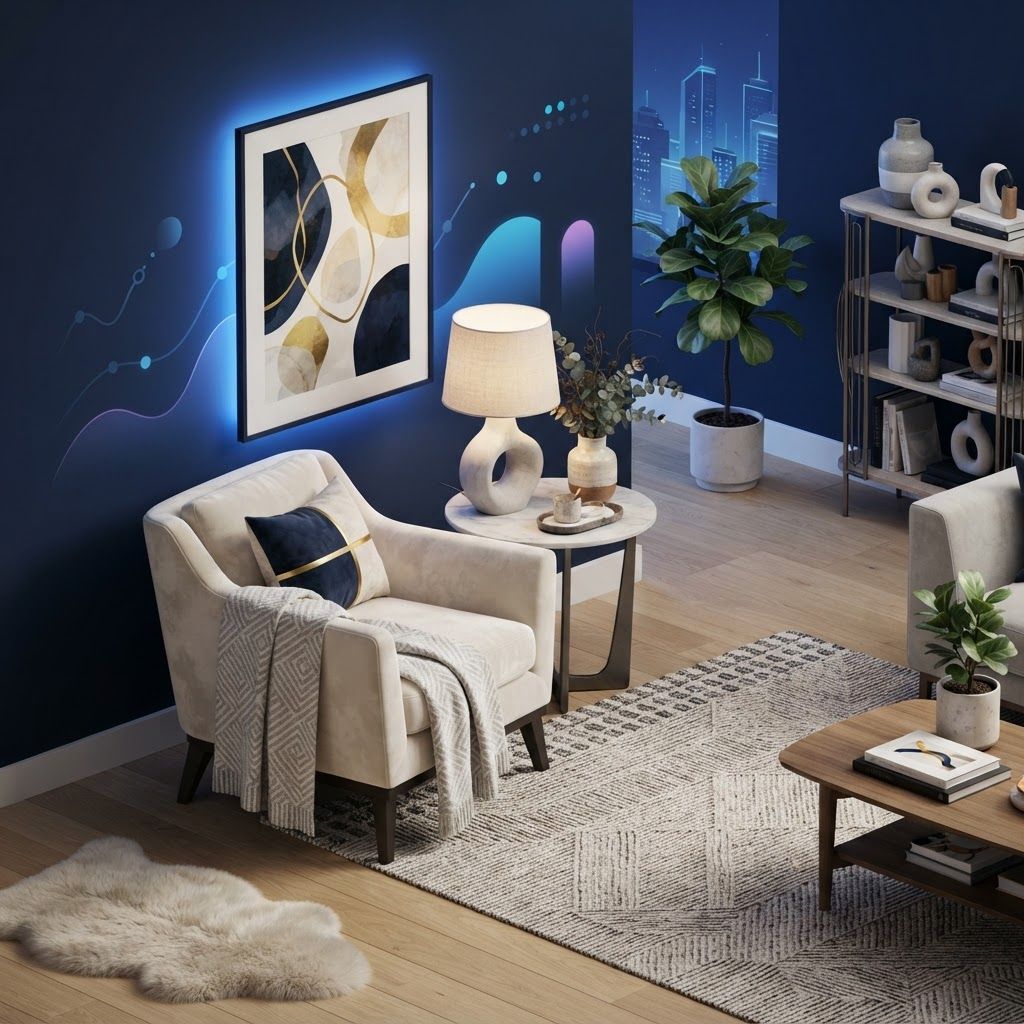
The clearest current direction is towards warmth and tactility. Cool minimalism has given way to layered interiors featuring natural materials, textured plaster finishes, linen, wool, rattan and unpolished timber. Colour palettes lean towards muted greens, clay tones, soft ochres and deep blues that work well in the natural light of East Anglian homes.
Longevity is also increasingly valued. Rather than replacing furniture every few years, buyers are choosing repairable, reupholsterable pieces and mixing new items with vintage finds. This suits Norwich particularly well given the strength of its antiques and second-hand market.
Multifunctional spaces continue to influence purchasing too. With home working now normal, decor choices must accommodate desks, storage and video-call backdrops without turning living rooms into offices. Clever storage furniture and adaptable lighting have become priorities.
How to Build a Coherent Scheme
Start with the largest surfaces and fixed elements, since flooring, wall colour and window treatments set the tone for everything else. Choose a limited palette of three to five colours and repeat them across the room to create cohesion.
Measure carefully before buying furniture, allowing generous circulation space, and consider how pieces will travel through narrow Norwich hallways and stairwells. When mixing old and new, let one style lead and use the other as accent to avoid a scheme that feels unresolved.
Invest in lighting last but not least. Multiple low-level light sources create far more atmosphere than a single ceiling fitting, and dimmable warm-toned lamps flatter both period features and modern furniture.
Final Thoughts
Norwich rewards anyone furnishing a home with patience, offering handmade ceramics, locally produced furniture, restored antiques, quality textiles and sustainable homeware within a compact area. Focus on materials that improve with use, build your scheme around a disciplined palette, and your interior will feel considered and personal rather than assembled from a catalogue.
Want your brand featured in front of decision-makers? Publish a guest post or get a link insertion in our guides through AAMAX's guest post and link insertion service.
Helpful Links
 SponsoredAAMAX — Full-Service Digital Agency
Write for Us
Share your expertise with our readers. We welcome guest contributions from industry specialists.
Pitch your idea