

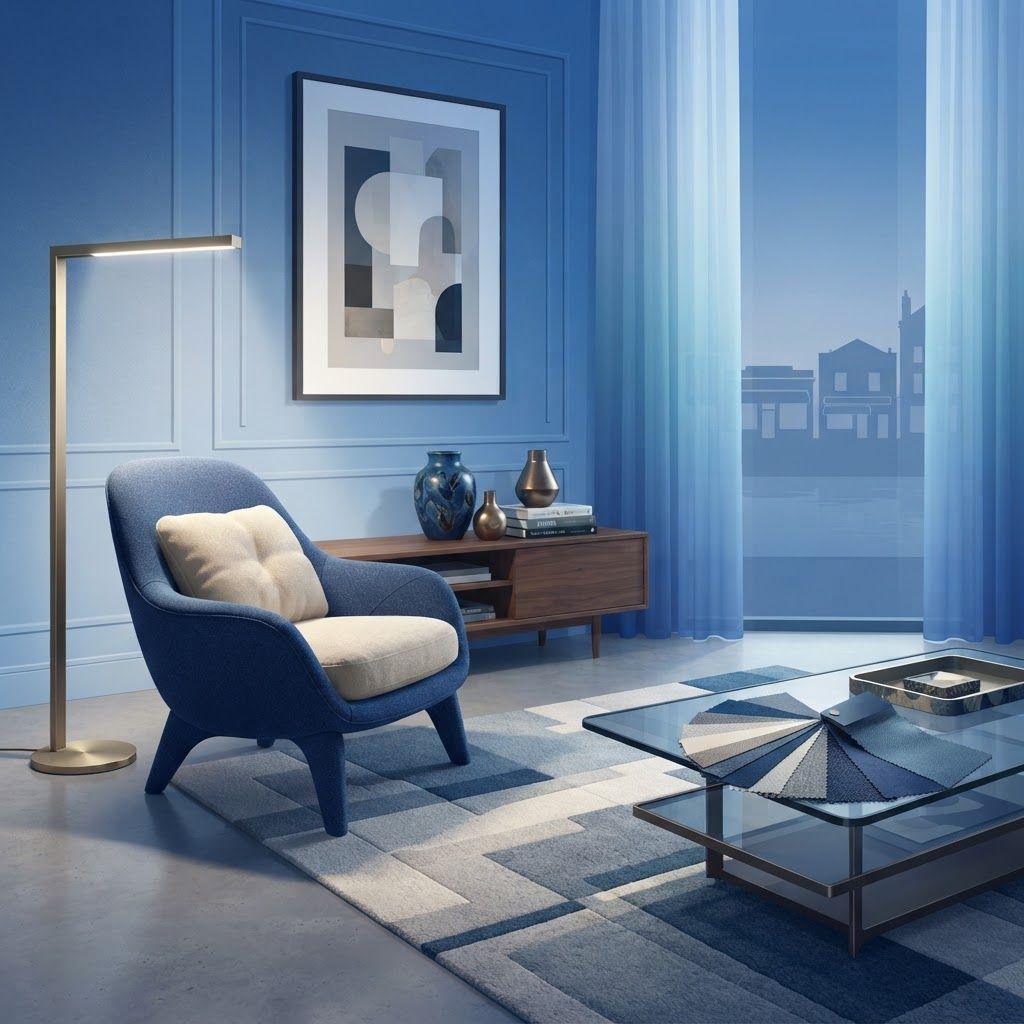
Kingston as an Interiors Destination
Kingston upon Thames occupies an unusual position in the London retail landscape. It has genuine department store scale in and around the Bentall Centre, a substantial high street presence along Clarence Street and Eden Street, and a network of independent studios and workshops in the surrounding areas of Surbiton, New Malden and Hampton Wick. For anyone furnishing a home, that combination means it is possible to compare mass-market value, mid-market design and bespoke craftsmanship within a single afternoon.
Local demand is shaped by the housing stock. Riverside apartments favour space-efficient, lighter pieces and clever storage. Victorian and Edwardian terraces suit period-sympathetic furnishings, decorative mouldings, rich textiles and considered colour. The larger detached homes around Coombe and Kingston Hill support statement furniture, bespoke joinery and layered lighting schemes. Successful decor brands in the borough tend to serve one of these segments particularly well rather than all of them adequately.
How to Judge a Home Decor Brand
Beyond aesthetics, three factors determine long-term satisfaction. Construction quality comes first: solid timber frames, kiln-dried hardwood, dovetailed drawers, high-resilience foam, feather-and-down cushioning and durable upholstery fabrics rated for domestic or severe domestic use will outlast lower specifications by many years. Second is material honesty, meaning that veneers, engineered boards and finishes are described accurately rather than obscured by marketing language.
Third is service, which in furniture retail means realistic lead times, room-of-choice delivery, assembly, aftercare and access to spare parts such as feet, glides and replacement covers. Increasingly, buyers also weigh sustainability credentials: responsibly certified timber, recycled textiles, water-based finishes, low-emission adhesives and repairability. A well-made sofa that can be reupholstered is a fundamentally different proposition from one designed for a five-year life.
The Ten Leading Home Decor Brands in the Borough
1. Bentalls Home. The department store's home floors remain the borough's most comprehensive single destination, bringing together bedding, tableware, lighting, decorative accessories and furniture across a wide price range. The strength is breadth and the ability to compare finishes side by side in one visit.
2. John Lewis Home. Long trusted for dependable quality, sensible design and strong guarantees. Its ranges span classic and contemporary, and the made-to-order upholstery service with fabric selection appeals to households prioritising longevity over trend.
3. Habitat. A design-forward brand with a distinct point of view, known for confident colour, sculptural lighting and accessible contemporary furniture. Popular with younger households furnishing apartments and first homes.
4. Dunelm. The most practical option for soft furnishings at scale, covering curtains and blinds, cushions, rugs, bedding and window dressing. Its made-to-measure curtain and blind service is widely used across the borough's rental and family housing.
5. The White Company. Focused on a calm, tonal aesthetic built around natural textures, high-quality bed linen, candles and understated accessories. Especially well suited to the pared-back interiors popular in riverside apartments.
6. Neptune. A premium British brand known for painted timber furniture, classic kitchen and living designs and a coherent palette that allows pieces to work together across rooms. Frequently chosen for period properties seeking a refined, traditional-contemporary balance.
7. Loaf. A comfort-led upholstery specialist with a relaxed, informal style, deep sofas, generous beds and hard-wearing washable covers. Their appeal lies in family practicality delivered without sacrificing design credibility.
8. Sofa Workshop. Valued for bespoke upholstery, allowing customers to specify frame, filling, arm style, leg finish and fabric individually. This level of configuration suits awkward room proportions common in converted properties.
9. Kingston Interiors Studio. An independent local design practice offering curated furniture sourcing, bespoke joinery, colour consultation and window treatments, working closely with clients on whole-room schemes rather than individual purchases.
10. Surbiton Home and Living. A neighbourhood independent known for artisan ceramics, handmade lighting, botanical prints and gifts, providing the individual decorative pieces that give a home personality once the larger furniture decisions are settled.
Design Directions Shaping Local Homes
Warm minimalism has largely replaced the cooler grey palettes of the previous decade. Interiors in the borough increasingly favour clay, ochre, olive, plaster pinks and deep blues alongside natural oak, rattan, linen and wool. The effect is calmer and more tactile, and it photographs less starkly than the high-contrast schemes that dominated a few years ago.
Multifunctional living is the second major driver. With home working now permanent for many households, demand has grown for desks that read as furniture rather than office equipment, acoustic textiles, adaptable shelving and rooms that transition convincingly between work and leisure. In smaller flats, storage-integrated beds, nesting tables and slimline sideboards have become essential rather than optional.
Lighting has arguably changed the most. Single pendant fittings are giving way to layered schemes combining table lamps, wall lights, floor lamps and dimmable circuits, with warmer colour temperatures preferred in living and sleeping areas. Decorative lighting is now treated as a primary design element in its own right, and it is frequently the single most transformative purchase in a room.
Finally, longevity and circularity are influencing purchasing. Vintage and antique pieces sourced locally are being mixed confidently with new furniture, reupholstery of good frames is increasingly common, and buyers ask more searching questions about materials and repairability than they did even a few years ago.
Practical Advice for Furnishing a Home
Measure carefully and plan on paper before buying. Note ceiling heights, radiator positions, door swings, staircase turns and hallway widths, because delivery access defeats more furniture purchases than any other factor, especially in period terraces with tight stairwells. Ask retailers about dismantlable options where access is restricted.
Invest disproportionately in the pieces you use most: the mattress, the main sofa, the dining chairs and the lighting. Accessories can be updated inexpensively as taste evolves, but a poor sofa frame or mattress cannot be rescued by styling. Order fabric samples and live with them in the actual room across different times of day, since north-facing rooms in particular alter colours significantly.
Confirm lead times in writing, especially for made-to-order upholstery, which commonly takes several weeks. Check the returns policy for bespoke items, which is usually far more restrictive than for stock pieces, and retain care instructions for fabrics and finishes.
Final Thoughts
Kingston upon Thames offers an unusually complete interiors ecosystem, from department store scale and reliable mid-market brands to independent studios capable of bespoke work. The brands profiled here each serve a distinct need, and the most satisfying homes in the borough tend to draw from several of them, combining well-made anchor pieces with characterful accessories. Buy deliberately, prioritise construction quality and let the room's proportions and light guide the palette rather than passing trends.
Want your brand featured in front of decision-makers? Publish a guest post or get a link insertion in our guides through AAMAX's guest post and link insertion service.
Helpful Links
 SponsoredAAMAX — Full-Service Digital Agency
Write for Us
Share your expertise with our readers. We welcome guest contributions from industry specialists.
Pitch your idea

