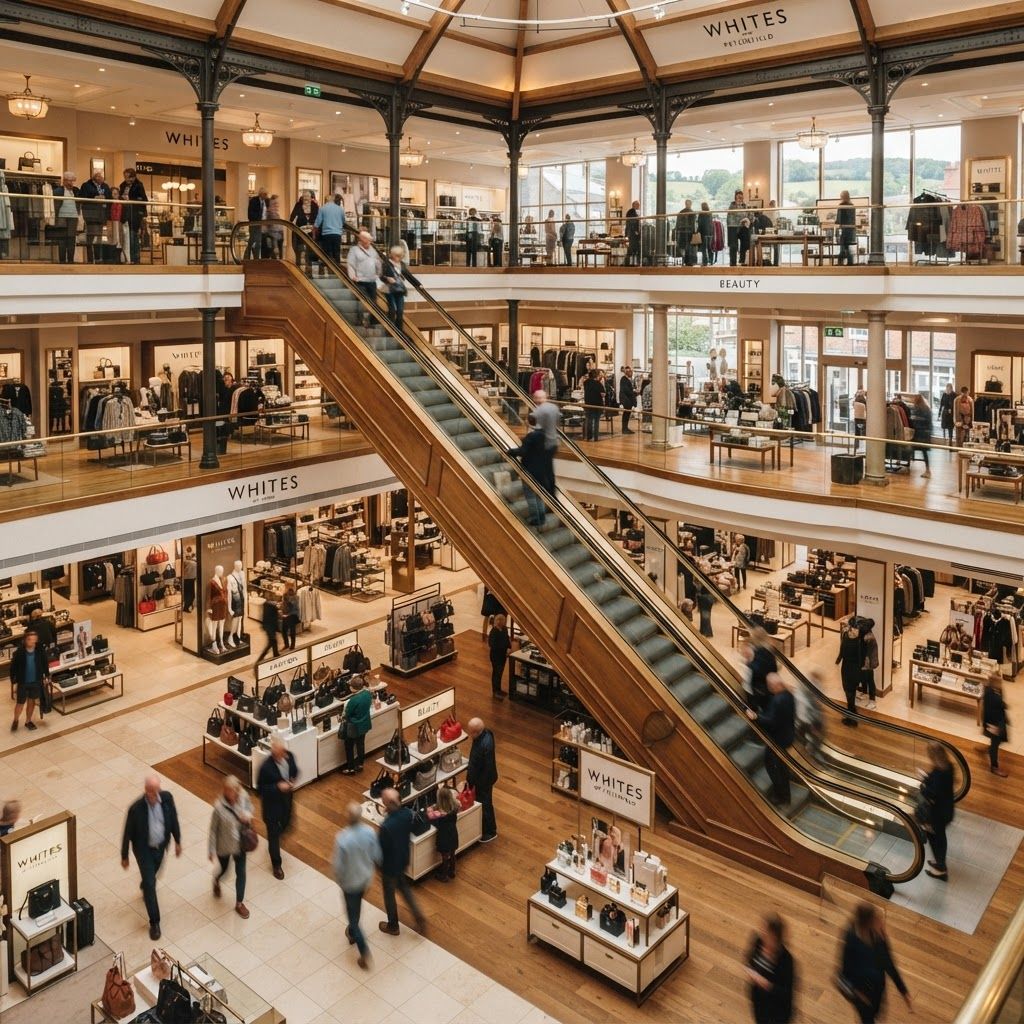
The Global Centre of Interior Design
Few places in the world concentrate interior design talent as densely as the Royal Borough of Kensington and Chelsea. The design quarter around the King's Road and its surrounding streets has long been the address of choice for fabric houses, furniture showrooms, lighting specialists and antique dealers. Designers from across the world travel here to source, and the borough's own residents have access to a depth of specification that simply does not exist elsewhere.
The character of local decor reflects the architecture. High ceilings, tall sash windows, original cornicing, marble fireplaces and generous proportions favour furniture with presence, textiles with weight and lighting designed as much for atmosphere as illumination. At the same time, contemporary developments and converted warehouses have introduced demand for cleaner, more minimal schemes, so the market spans both classical and modern with equal seriousness.
The Ten Leading Home Decor Brands and Destinations
1. Chelsea Design Quarter. Not a single brand but the defining destination, a cluster of showrooms covering fabrics, furniture, lighting, kitchens and bathrooms. Its value lies in the ability to compare and specify an entire scheme within walking distance.
2. Kensington Interiors. A borough furniture house known for upholstery made to order, with a focus on classic silhouettes, deep comfort and customer choice of fabric and finish.
3. Chelsea Textiles House. Specialists in printed and woven fabrics with a traditional English sensibility, widely used for curtains, blinds and upholstery in period interiors.
4. Holland Park Home. A curated lifestyle brand offering ceramics, glassware, table linen and decorative accessories, favoured for finishing schemes with considered detail.
5. Notting Hill Decor Studio. Known for bold pattern, colour confidence and wallpaper, appealing to clients who want personality rather than restraint.
6. South Kensington Lighting. A lighting specialist covering decorative pendants, wall lights and table lamps alongside architectural lighting advice, with strong period reproduction ranges.
7. Brompton Antiques and Interiors. Deals in antique and vintage furniture, mirrors and objects, offering the single most effective way to give a new interior genuine depth and age.
8. Sloane Square Living. A contemporary furniture brand with a pared-back aesthetic, natural materials and a focus on craftsmanship over ornament.
9. Earls Court Home Collective. A more accessible destination bringing together independent makers, small-batch ceramics, textiles and prints for clients decorating on a considered budget.
10. Royal Borough Bespoke Furniture. Makers of commissioned cabinetry, joinery and freestanding furniture, essential where alcoves, ceiling heights and awkward geometry defeat off-the-shelf solutions.
Designing for Period Architecture
Working with a period room means respecting its proportions. A low sofa in a room with four-metre ceilings looks lost; scale furniture up rather than down. Curtains should be full length and generously gathered, hung high and wide to maximise the apparent size of the window. Rugs should be large enough that the front legs of the seating sit on them, otherwise the arrangement fragments.
Colour behaves differently in these rooms too. North-facing London interiors receive cool, grey light for much of the year, which flattens pale neutrals and can make white walls read as dull. Warmer off-whites, deeper saturated colours and painted joinery in the same tone as walls all perform better. Testing large painted samples on more than one wall, viewed at different times of day, prevents expensive mistakes.
Layering a Scheme That Lasts
Coherent interiors are built in layers. The architectural layer covers floors, wall finishes, joinery and lighting positions. The furniture layer establishes function and scale. The textile layer, comprising curtains, upholstery, cushions and rugs, provides softness and acoustic comfort, which matters enormously in high-ceilinged rooms with hard floors. The final layer of art, books, ceramics and objects is what makes a room feel inhabited rather than installed.
Mixing periods is the borough's signature. An antique mirror above a contemporary console, a modern sofa with an old kilim, or a classical room with a single striking modern light fitting all create tension that reads as confidence. Schemes that come entirely from one source and one era tend to feel like showrooms rather than homes.
Trends Shaping the Market
Several directions are prominent. There is a strong return to colour and pattern after a decade of grey minimalism, with painted joinery, papered ceilings and richly upholstered furniture. Natural and tactile materials, including boucle, linen, rattan, unlacquered brass and honed stone, are displacing high-gloss finishes. Sustainability has become a genuine purchasing factor, driving interest in antique and vintage pieces, responsibly sourced timber, natural fibre textiles and low-VOC paints.
Craft and provenance matter more than logos. Clients increasingly ask who made a piece and where, and small-batch British makers have benefited significantly. Finally, interiors are being designed for flexible use, with rooms that must serve as office, dining room and living space without looking like a compromise.
Practical Sourcing Advice
Order lead times on bespoke upholstery and made-to-measure curtains commonly run to many weeks, and imported furniture can take longer. Plan the scheme early, particularly if it coincides with building work. Always obtain physical fabric samples rather than relying on screen images, and view them in the actual room. Check that fabrics meet fire safety requirements for upholstery use, and confirm rub test durability for anything on a frequently used sofa.
Measure access as carefully as the room. A large sofa that fits perfectly in plan is useless if it cannot navigate a Victorian staircase, and many borough showrooms will advise on knock-down frames for exactly this reason.
Making the Most of the Borough
Visit showrooms in person, take notes and samples, and build a physical scheme board before committing. Many showrooms welcome private clients as well as trade, and staff expertise is a genuinely valuable free resource. In a borough where interior design is a serious discipline rather than a pastime, the advantage lies with those who source patiently, mix confidently and let the architecture lead.
Want your brand featured in front of decision-makers? Publish a guest post or get a link insertion in our guides through AAMAX's guest post and link insertion service.
Helpful Links
 SponsoredAAMAX — Full-Service Digital Agency
Write for Us
Share your expertise with our readers. We welcome guest contributions from industry specialists.
Pitch your idea