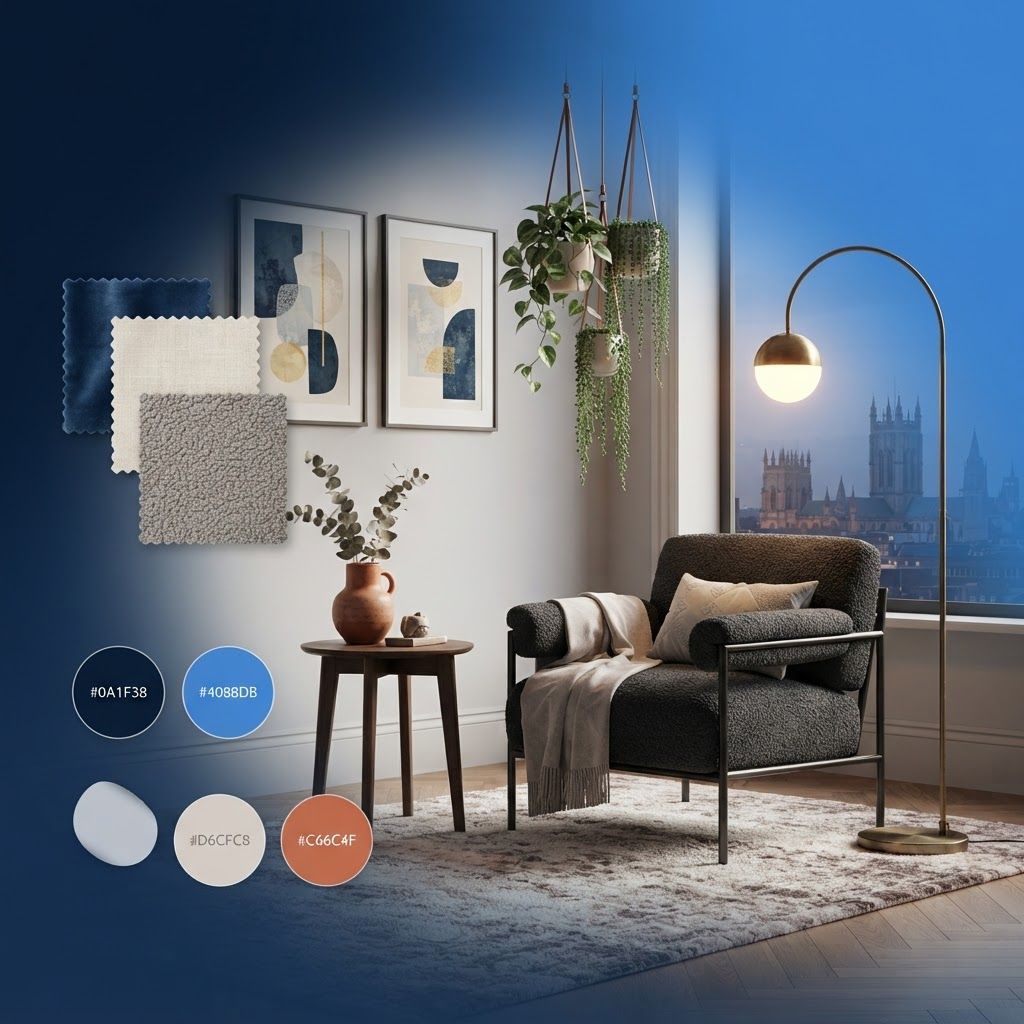
Exeter's Distinctive Interiors Culture
Exeter occupies an unusual position in the South West design landscape. It is large enough to support serious independent retail, yet close enough to Devon's maker communities that locally crafted furniture, ceramics and textiles remain genuinely accessible. The result is an interiors culture that leans towards natural materials, muted coastal-influenced palettes and pieces with provenance rather than mass-produced uniformity.
Housing stock shapes taste here too. Georgian townhouses near Southernhay demand proportion and restraint. Victorian terraces in Heavitree and St Thomas suit rich colour and period detailing. Thatched cottages towards the moor call for natural textures and honest materials. Modern apartments around the Quay favour clean lines and light. Exeter's decor retailers have adapted to serve all of these simultaneously.
Ten Home Decor Brands and Retailers in Exeter
Trove Home has become a reference point for contemporary Devon interiors, curating furniture, lighting and accessories with a consistent emphasis on natural materials and understated form. The buying approach favours fewer, better pieces over broad stock ranges.
Devon Interiors Collective brings together work from multiple regional makers under one roof, including handmade ceramics, woven textiles and solid timber furniture. For buyers who want traceable, locally produced pieces, it is one of the strongest options in the county.
Exeter Home Store covers a broader mainstream range, from sofas and dining sets to soft furnishings and storage. Its strength lies in breadth and accessibility, serving households furnishing an entire property rather than sourcing a single statement piece.
Cathedral Interiors specialises in period-appropriate decoration, stocking heritage paint ranges, traditional wallpapers, cornicing, ironmongery and reproduction lighting suited to Exeter's substantial stock of older homes.
Quay Living reflects the city's waterside character with a coastal-influenced aesthetic built around linen, driftwood tones, pale oak and sea-glass glazes. The look translates well to both apartments and family homes.
Westcountry Furniture Makers produces bespoke solid wood furniture to commission, working with oak, ash and reclaimed timber. Commissioning allows pieces to be sized precisely for the irregular rooms common in older Exeter properties.
The Textile Room concentrates on soft furnishings: curtains, blinds, upholstery fabric, cushions and throws, with a made-to-measure service. Fabric-led decorating is an efficient way to transform a room without structural change.
Riverside Home and Garden bridges indoor and outdoor living with planters, garden furniture, lanterns and conservatory pieces, an increasingly important category as households invest in garden rooms and outdoor entertaining space.
Exe Ceramics and Craft showcases studio pottery, glassware and small-scale artisan homeware, much of it produced within Devon. Individually crafted accessories add character that catalogue pieces rarely achieve.
Moorland Home Design offers a full interior design consultancy alongside retail, developing complete room schemes with sourcing, colour direction and project coordination for clients undertaking renovation.
Interior Trends Influencing Exeter Homes
Several clear trends are visible across the city. Natural and textured materials dominate: unfinished oak, rattan, linen, wool, stone and unglazed ceramic. The polished, high-gloss look of the previous decade has largely receded in favour of surfaces that show grain, weave and slight irregularity.
Colour has grown bolder in older properties, with deep greens, warm clays, muted plums and inky blues used confidently on walls and joinery. In smaller modern spaces, layered neutrals with a single saturated accent remain the dominant approach.
Multifunctional space planning has become essential. Home working is embedded in Exeter's professional population, so furniture that serves two purposes, such as sideboards concealing workstations or dining tables sized for occasional desk use, now sells strongly. Alongside this, biophilic design continues to grow, with indoor plants, natural light optimisation and garden views treated as design elements rather than afterthoughts.
Sustainability underpins much of this. Buyers increasingly ask about timber sourcing, fabric composition, manufacturing location and repairability. Vintage and reclaimed pieces have shed any stigma and now sit comfortably alongside new purchases in well-considered rooms.
Building a Coherent Scheme
Start with the architecture rather than a mood board. A room's proportions, window placement, ceiling height and existing features should guide decisions. Fighting a building's character rarely produces a satisfying result, whereas working with it usually does.
Establish a restrained material palette of three or four core materials and repeat them throughout the space. Consistency in timber tone, metal finish and fabric family creates cohesion even when individual pieces come from different sources. Devon's natural light is often soft and diffuse, so test paint samples at several times of day; colours that look warm in a showroom can read grey in a north-facing Exeter room.
Layer lighting rather than relying on a single ceiling fixture. Ambient, task and accent lighting together give a room flexibility across the day. Invest most heavily in items used daily, particularly seating and beds, and economise on decorative accessories that are easily changed.
Supporting Local Makers
One of the genuine advantages of furnishing a home in Exeter is proximity to working craftspeople. Commissioning a piece directly gives control over dimensions, timber, finish and detail while supporting regional skills. Lead times are longer than retail, typically several weeks to a few months, but the resulting furniture is usually built to outlast anything mass-produced.
Seasonal craft markets and open studio events across Devon provide an accessible entry point, allowing buyers to meet makers and understand process before committing to a larger commission.
Final Thoughts
Exeter offers an unusually rich mix for anyone furnishing a home, from broad mainstream retail to genuinely distinctive independent makers. The most successful interiors in the city tend to share a common approach: respect for the building, restraint in materials, quality where it counts and a few pieces with a story behind them. Take time over the decisions that are hard to reverse, and enjoy the flexibility of those that are not.
Want your brand featured in front of decision-makers? Publish a guest post or get a link insertion in our guides through AAMAX's guest post and link insertion service.
Helpful Links
 SponsoredAAMAX — Full-Service Digital Agency
Write for Us
Share your expertise with our readers. We welcome guest contributions from industry specialists.
Pitch your idea