Interiors Culture in Epping Forest
Epping Forest has developed a genuine interiors culture over the past decade. High disposable income across Loughton, Buckhurst Hill and Chigwell, combined with a large stock of substantial family homes and a strong renovation market, has created demand for furnishing and decoration well above the typical suburban level. Local independents have responded with showrooms and studios that would not look out of place in central London.
The district's aesthetic tendencies are distinctive. There is a strong appetite for polished, hotel-influenced interiors in the southern suburbs, with statement lighting, velvet upholstery, marble surfaces and metallic accents. Move north and west towards Epping, Theydon Bois and the Ongar villages and the mood shifts towards country classic: natural timber, painted joinery, linen, ceramics and a warmer, more textural palette.
What unites both is a preference for quality over volume. Local retailers report customers increasingly buying fewer, better pieces intended to last, a shift away from the fast-furniture cycle that dominated the previous decade.
The Top 10 Home Decor Brands and Showrooms
1. Forest House Interiors — A design-led interiors showroom offering furniture, lighting, textiles and accessories alongside a full interior design service. Their strength is curation: a coherent, well-edited selection rather than an overwhelming catalogue. They also handle full room schemes including joinery and window treatments.
2. Epping Home & Living — A long-standing independent on the high street known for classic upholstery, occasional furniture and a consistently good accessories range. Their sofa and armchair selection emphasises frame quality and traditional construction, and they offer bespoke fabric options across most ranges.
3. Chigwell Luxe Interiors — Serves the premium end of the market with high-gloss contemporary furniture, crystal and sculptural lighting, marble and onyx surfaces, and statement mirrors. Their showroom styling is confident and their delivery and installation service is genuinely white-glove.
4. Theydon Country Furnishings — Solid wood furniture, painted dressers, Windsor chairs, wool rugs and hand-thrown ceramics in a relaxed country style. They work closely with regional makers and can commission pieces in specific dimensions, which suits period cottages with awkward proportions.
5. Loughton Lighting Studio — Lighting specialists offering decorative pendants, wall lights, floor lamps and architectural lighting alongside technical design advice. Their willingness to plan a whole-house lighting scheme, including circuits, dimming and colour temperature, sets them apart from general furniture retailers.
6. Buckhurst Hill Fabrics & Blinds — A textiles-focused business supplying curtains, roman blinds, shutters, upholstery fabrics and cushions with full measuring and fitting. Their sample library is extensive and their workroom handles bespoke making rather than outsourcing everything.
7. Waltham Abbey Reclaimed & Vintage — Deals in reclaimed timber furniture, industrial pieces, vintage finds and restored antiques. Popular with homeowners wanting individuality and with those pursuing more sustainable furnishing choices. Every piece is different, which is both the appeal and the constraint.
8. Ongar Kitchen & Home — Specialises in kitchen and dining focused decor: bespoke cabinetry, dressers, tableware, glassware and cookware. They offer design consultations for kitchen schemes and complement them with the accessories that make a finished kitchen feel considered.
9. North Weald Rug & Flooring Gallery — Rugs, runners, natural fibre flooring and wood finishes with knowledgeable advice on materials suited to underfloor heating, pets and high traffic. Their hand-knotted and antique rug selection is unusually strong for a suburban showroom.
10. Essex Bespoke Joinery & Living — Makers rather than retailers, producing fitted wardrobes, alcove units, media walls, home offices and bookcases designed to specific rooms. In properties where standard furniture never quite fits, bespoke joinery solves problems that buying cannot.
Trends Shaping Local Interiors
Several clear directions are visible in Epping Forest homes. Warm neutrals have decisively replaced cool greys, with clay, oat, mushroom and soft terracotta tones dominating new schemes. This shift towards warmth extends to metals too, with brushed brass and bronze displacing the polished chrome that defined the previous decade.
Texture is doing more work than pattern. Boucle upholstery, ribbed and fluted timber, limewash and microcement wall finishes, and heavily textured plaster effects are all prominent. This suits photography-driven interior trends but also, more practically, adds depth to the neutral palettes homeowners currently prefer.
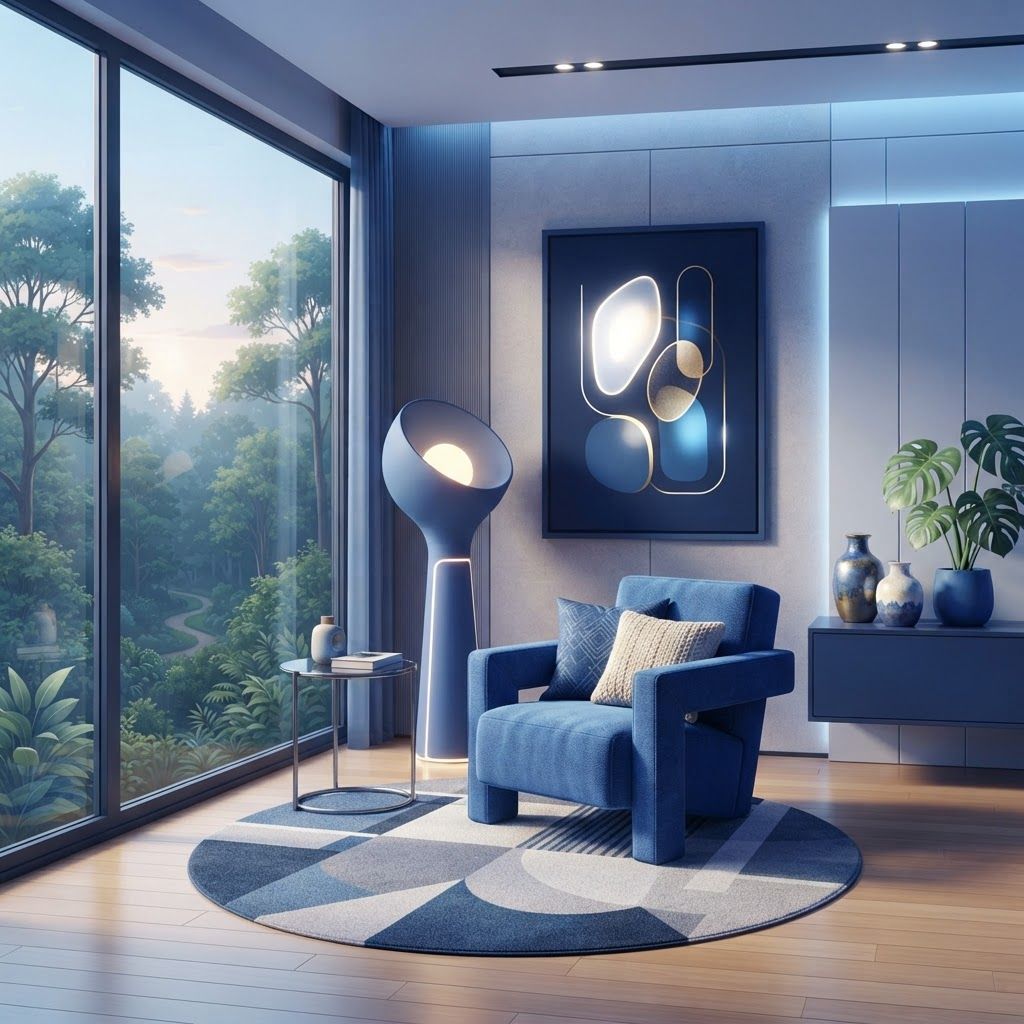
Biophilic influence is strong in a district defined by woodland. Large plants, natural materials, timber grain, stone and views framed towards gardens all feature heavily. Designers working locally frequently orientate schemes towards garden aspects, using glazing and mirror placement to draw greenery inward.
Multifunctional space is the practical trend. Home working has permanently changed requirements, and demand for integrated desks, broken-plan layouts, acoustic treatment and adaptable rooms remains high. Bespoke joinery has benefited enormously from this shift.
Buying Well: Practical Advice
Measure properly, including access. A sofa that fits the room but not the staircase is a familiar and expensive disappointment, particularly in narrow Victorian terraces. Reputable showrooms will ask about access routes before confirming an order.
Invest in the pieces you use hardest. Sofas, beds, mattresses and dining chairs justify spending more because they are used daily and their construction quality determines lifespan. Decorative accessories can be rotated more cheaply as tastes change.
Consider light carefully. Colours behave very differently in north-facing rooms, which dominate in many local terraces, compared with south-facing extensions. Always test paint and fabric samples in the actual room across different times of day rather than deciding under showroom lighting.
Check lead times. Bespoke upholstery and joinery frequently take several months, and coordinating them with building work requires planning. Order early in a renovation rather than treating furnishing as an afterthought.
Final Thoughts
Epping Forest's home decor scene rewards exploration. Between polished contemporary showrooms, country-style furnishers, textile specialists and bespoke joinery workshops, almost any aesthetic can be sourced locally with the significant advantage of seeing, touching and testing before buying. Prioritise quality on the pieces that matter, plan around light and access, and allow enough time for bespoke work to be made properly.
Want your brand featured in front of decision-makers? Publish a guest post or get a link insertion in our guides through AAMAX's guest post and link insertion service.
Helpful Links
 SponsoredAAMAX — Full-Service Digital Agency
Write for Us
Share your expertise with our readers. We welcome guest contributions from industry specialists.
Pitch your idea