A Distinctive Retail Landscape
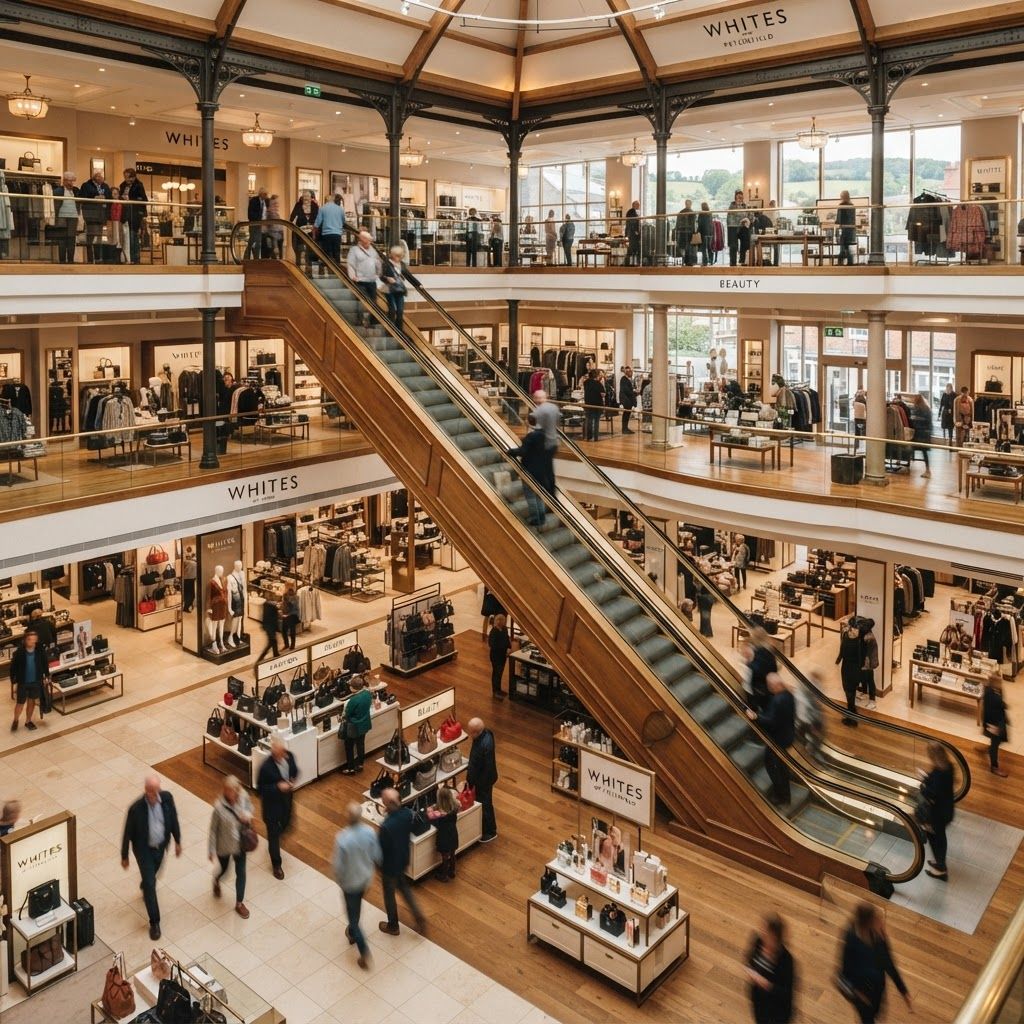
Home decor shopping in East Staffordshire has a character of its own. Burton upon Trent provides the commercial anchor with retail parks and town centre stores covering furniture, soft furnishings and homeware at a range of price points. Uttoxeter contributes a more independent, market town feel, with smaller boutiques and lifestyle stores. Surrounding villages and the wider Staffordshire area add antique dealers, reclamation yards, artisan makers and garden centres with substantial homeware sections.
That mix suits how people actually furnish a home. Few households buy everything from one source. A sofa might come from a national retailer, a dining table from a local maker, lighting from an independent boutique, and character pieces from a reclamation yard or antiques centre. The result is layered, personal interiors rather than showroom replicas.
The Main Home Decor Categories
Furniture spans upholstery, case goods, dining, bedroom and outdoor. Solid timber furniture has enjoyed a strong revival, with oak, walnut and ash favoured for their longevity and repairability. Locally made bespoke furniture is widely available across Staffordshire, offering exact sizing for the awkward proportions common in older properties.
Soft furnishings — curtains, blinds, cushions, throws, rugs and bedding — do more to define a room's atmosphere than almost any other category. Made-to-measure curtains and Roman blinds remain a strong local trade, particularly for period properties where standard drops rarely fit.
Lighting has become a design focus in its own right. Statement pendants, wall lights, floor lamps and table lamps layered together create the warmth that a single central fitting never achieves. Warm colour temperature and dimmability are increasingly prioritised over raw brightness.
Wall decor and art covers prints, original artwork, mirrors, wall panelling and decorative moulding. Panelling in particular has been one of the defining interior trends of recent years, adding architectural interest to plain modern rooms.
Ceramics, glassware and accessories provide the finishing layer. Staffordshire's pottery heritage is relevant here; the county's ceramic tradition means quality tableware and decorative ceramics are well represented in local retail.
Kitchen and bathroom accessories, storage solutions and organisational pieces round out the market, with an increasing emphasis on attractive items that remain on display rather than hidden away.
Design Directions Shaping Local Interiors
Several clear movements are visible in homes across the borough. Warm minimalism has replaced the stark grey schemes of the last decade, favouring soft neutrals, textured plaster finishes, natural timber and curved forms. The look is calm rather than clinical.
Biophilic design brings the outdoors in through houseplants, natural materials, botanical prints and maximised natural light. It aligns neatly with the borough's proximity to the National Forest and the general shift toward nature-connected living.
Heritage revival suits the area's older housing stock. Deep colours, panelled walls, brass and antique bronze hardware, and reclaimed furniture allow Victorian and Edwardian properties to be updated without erasing their character.
Multifunctional spaces reflect changed working patterns. Furniture that serves two purposes — a console that becomes a desk, a bench with hidden storage, a guest bed within a home office — is in steady demand.
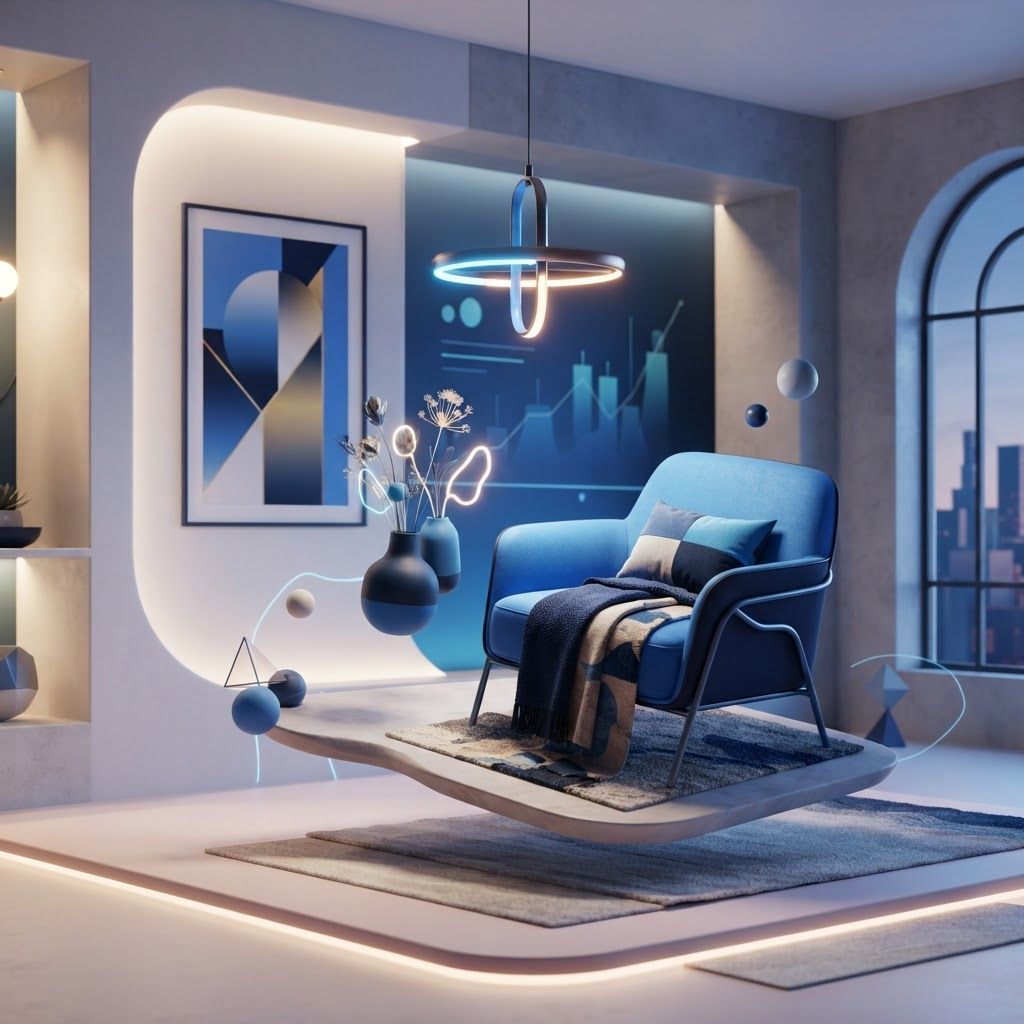
Considered colour is returning. After years of neutral dominance, richer greens, terracottas, ochres and deep blues are appearing on walls, joinery and upholstery, often balanced by restrained surroundings.
Quality Indicators Worth Knowing
Judging furniture quality is a learnable skill. For upholstery, examine the frame — kiln-dried hardwood with jointed, glued and screwed construction outlasts stapled softwood significantly. Suspension matters: serpentine springs or webbing, properly tensioned, determine how the seat feels in five years. Filling density affects both comfort and how well cushions hold shape. Removable, washable covers add years of usable life.
For case goods, solid timber or quality veneer over stable board is preferable to thin laminate. Look at drawer construction: dovetailed or dowelled joints with soft-close runners indicate care. Back panels should be solid rather than thin hardboard pinned in place.
For rugs, hand-knotted wool outperforms machine-made synthetics for both appearance and longevity, though good machine-woven wool offers a sensible middle ground. Pile density is a reliable quality signal.
For curtains, fullness ratio determines how they hang. Anything less than double fullness looks thin. Interlining adds weight, insulation and a luxurious drape that is immediately apparent.
Sustainability and Buying Well
Awareness of furniture's environmental cost has grown considerably. Fast furniture — inexpensive, short-lived and difficult to repair — carries a substantial waste burden. The alternative approach is buying fewer, better pieces and maintaining them.
Practical routes include choosing FSC-certified timber, selecting manufacturers offering spare parts and repair services, buying second-hand and antique pieces which carry no new manufacturing footprint, and reupholstering good frames rather than replacing them. Staffordshire has a healthy trade in both antiques and reupholstery, making these genuinely accessible options.
Natural materials — wool, linen, cotton, timber, stone, ceramic — generally age more gracefully than synthetics and can be repaired or recycled at end of life.
Shopping Strategically
Start with measurements and a scaled floor plan. The single most common furnishing error is buying pieces that overwhelm a room or, occasionally, disappear within it. Mark out dimensions on the floor with tape before committing to a large sofa or table.
Always test upholstery in person. Seat height, depth and firmness are intensely personal, and no photograph conveys them. Take fabric and paint samples home and view them in the room's actual light across morning, afternoon and evening.
Check delivery access before ordering. Narrow hallways, turns on staircases and doorway widths in older Burton properties defeat more large sofas than most buyers anticipate. Reputable retailers ask these questions upfront.
Finally, build a room in layers rather than a single purchase. Establish the large functional pieces first, then lighting, then soft furnishings, then accessories. Interiors assembled gradually almost always look more considered than those bought complete in one visit.
Want your brand featured in front of decision-makers? Publish a guest post or get a link insertion in our guides through AAMAX's guest post and link insertion service.
Helpful Links
 SponsoredAAMAX — Full-Service Digital Agency
Write for Us
Share your expertise with our readers. We welcome guest contributions from industry specialists.
Pitch your idea