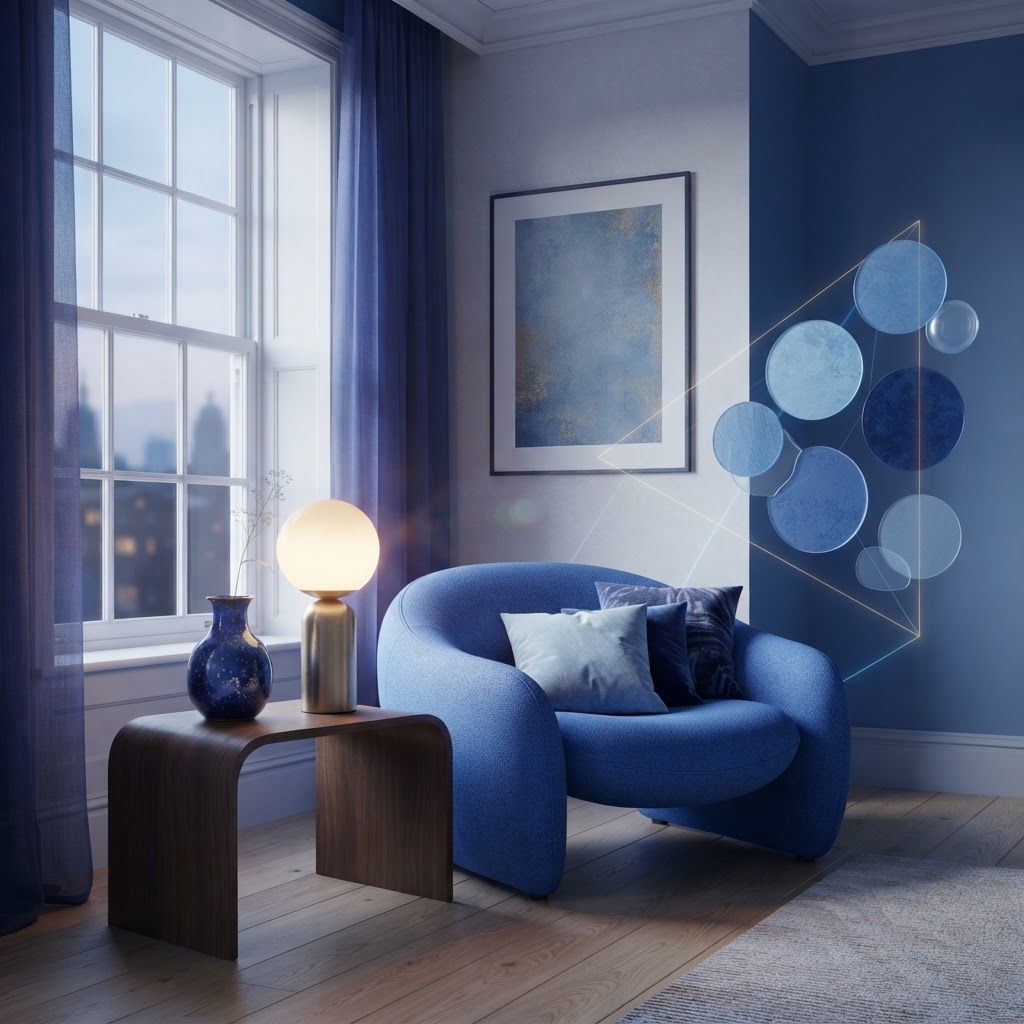
An Interiors Scene Shaped by Architecture
Home decor in Bath and North East Somerset is inseparable from the buildings it furnishes. Georgian proportions, tall sash windows, deep skirtings, panelled shutters, cornices and limestone light create rooms with strong existing character. Furnishing them well means responding to that character rather than imposing an unrelated scheme. Beyond the city, converted barns, stone cottages and farmhouses call for a warmer, more rustic vocabulary, while new developments in Keynsham and the Somer Valley suit contemporary approaches.
This variety supports an unusually diverse interiors market. Within a short distance a homeowner can find eighteenth century antiques, hand woven textiles, contemporary lighting design, reclaimed architectural salvage, artisan ceramics and full interior design services. The district also benefits from proximity to Bristol and the wider West Country craft economy, which strengthens the supply of independent makers.
Categories of Home Decor Provider
- Antique and vintage dealers offering period furniture, mirrors, lighting, clocks and decorative objects suited to historic interiors.
- Independent interiors boutiques curating furniture, cushions, throws, tableware, candles and gifts from British and European brands.
- Textile and soft furnishing specialists providing curtains, blinds, upholstery, fabric libraries and made to measure services.
- Artisan makers producing hand thrown pottery, woodturning, glass, prints, basketry and metalwork, often sold through local galleries and markets.
- Architectural salvage and reclamation yards supplying fireplaces, doors, flagstones, ironmongery and garden ornament.
- Interior design studios delivering full scheme design, sourcing, project management and bespoke furniture commissions.
- Lighting and paint specialists, including heritage paint ranges and period appropriate light fittings.
What Marks Out a Quality Decor Brand
Provenance and craftsmanship come first. Solid timber rather than veneered board, dovetailed drawers, natural fibre upholstery, hand glazed ceramics and mouth blown glass all indicate goods made to last. The strongest local brands are transparent about where and how items are produced, and many name the workshops or makers involved.
Curation is the second quality. A well edited shop with a coherent point of view is far more useful than a warehouse of unrelated stock. Customers increasingly value a brand that can advise on how pieces work together, particularly in period rooms where scale and proportion are decisive.
Service depth is the third. Made to measure curtains, reupholstery, fabric consultation, home visits, colour advice and delivery with placement all add substantial value. In a city of narrow staircases, a retailer who checks access before delivering a large sofa is genuinely appreciated.
Sustainability is now a major factor. Antique and vintage trade is inherently circular, and many contemporary brands emphasise responsibly sourced timber, natural dyes, wool and linen rather than synthetics, refillable candles, plastic free packaging and repair services that extend product life.
Design Directions Popular in the District
Several looks recur across the area. The classic Bath townhouse scheme layers antique and modern, using a restrained heritage palette of chalky whites, muted greens, soft clay and deep blue greys, with statement mirrors, generous curtains and a mix of timber tones. The countryside interior favours warm neutrals, natural textures, oak and elm furniture, checked and striped textiles, exposed stone and open shelving with practical pottery.
Contemporary craft interiors combine simple modern forms with visible handmade detail, an approach that suits converted mills and modern extensions particularly well. Meanwhile a growing number of homeowners pursue a considered maximalism, with pattern rich wallpapers, bold painted joinery, gallery walls and collected objects, a look that sits comfortably in high ceilinged Georgian rooms.
Across all of these, wallpaper has returned strongly, panelling remains popular, and lighting is treated as a design centrepiece rather than a functional afterthought. Antique rugs and vintage textiles continue to be favoured over machine made alternatives.
Buying for Period Properties
Scale is the most common mistake. Georgian rooms have height, so low slung furniture and undersized artwork can look lost, while cottage rooms with low beams demand the opposite restraint. Sash windows need curtain treatments that respect shutters and reveal depth, and heavy poles can be problematic on lath and plaster walls without proper fixing.
Practical considerations follow. Access for large furniture, floor loading on old boards, radiator positions and the effect of limited natural light in basement and lower ground rooms all influence choices. Experienced local retailers and designers raise these points early, and their advice often saves an expensive return.
Supporting Independent Makers
One of the district's real strengths is the number of small producers working nearby. Buying directly from a maker at a market, open studio event or gallery brings the benefit of bespoke sizing, colour choices and repair support, while keeping value within the local economy. Many makers accept commissions, which is particularly useful for awkward alcoves, unusual window dimensions or matching an existing period feature.
Interior designers in the area frequently draw on these networks, giving clients access to pieces that never appear in national retail. That combination of professional curation and local craft is a defining characteristic of the market here.
How to Shop Well
Start with the architecture and light of the room, then build a palette around fixed elements such as stone, timber and existing joinery. Invest in the pieces that receive daily use, particularly seating, beds and dining tables. Layer accessories gradually rather than completing a room in one purchase, and prefer natural materials that age gracefully. Ask about lead times, since bespoke upholstery and curtains typically take several weeks.
Final Thoughts
The best home decor brands in Bath and North East Somerset succeed because they understand the buildings their customers live in. They combine quality materials, thoughtful curation and genuine service, they draw on a strong regional craft tradition, and they increasingly lead on sustainability through antique trade, natural materials and repairability. For anyone furnishing a home in the district, that local expertise turns a beautiful old room into a comfortable, personal space.
Want your brand featured in front of decision-makers? Publish a guest post or get a link insertion in our guides through AAMAX's guest post and link insertion service.
Helpful Links
 SponsoredAAMAX — Full-Service Digital Agency
Write for Us
Share your expertise with our readers. We welcome guest contributions from industry specialists.
Pitch your idea