Why Footwear Choices Matter More in Oxford
Oxford is a walking city, and that changes what good footwear means. Much of the historic centre is pedestrianised or unsuitable for driving, so residents, students and visitors routinely cover several miles a day across a mixture of paving, cobbles, gravel college quads and canal or riverside paths. Add frequent rain, damp winters and a high rate of cycling, and footwear here has to handle moisture, uneven surfaces and long wear without punishing the feet.
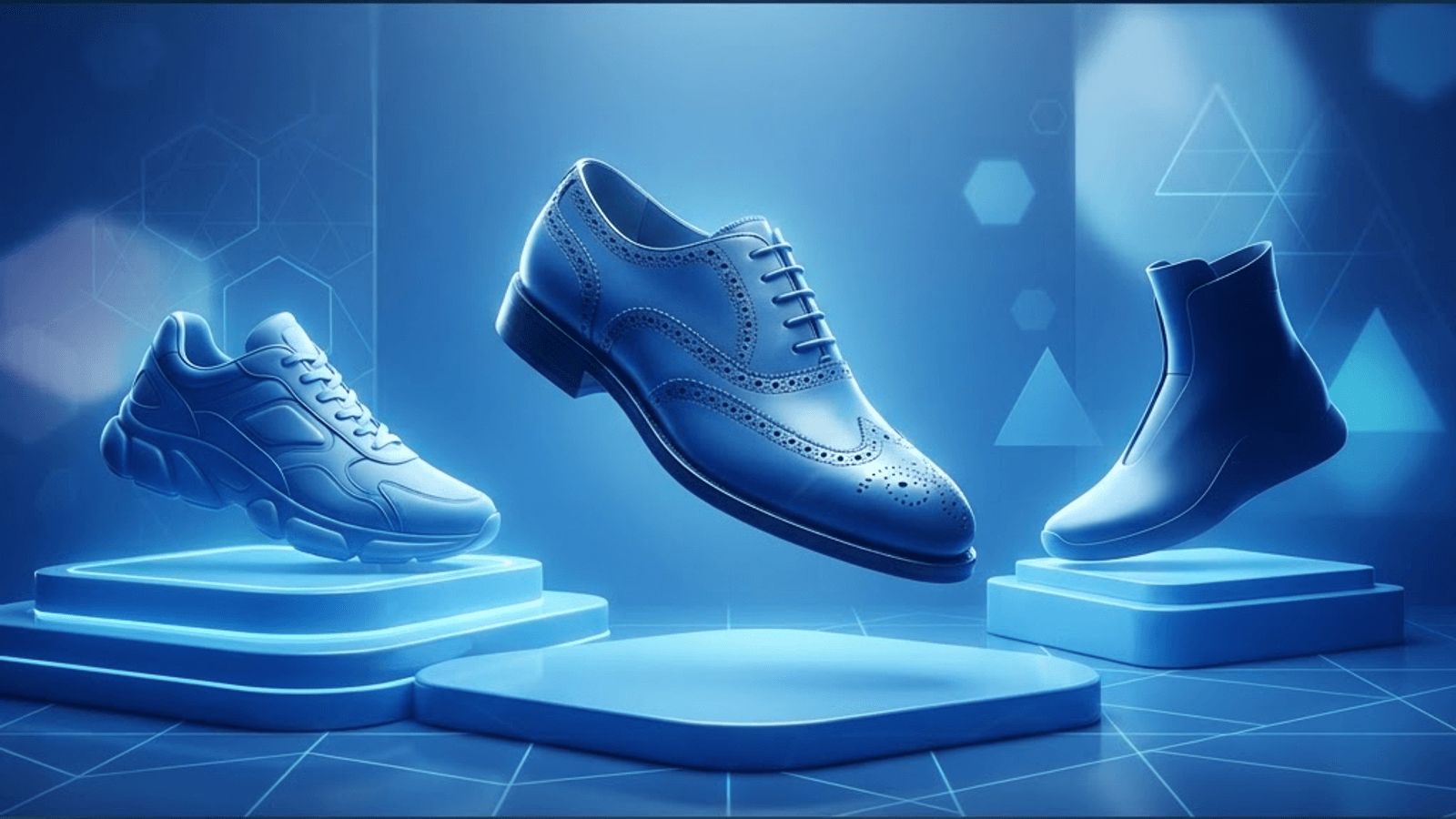
The city's shoe retail reflects this practical reality alongside its formal traditions. You will find heritage welted shoes suited to academic and ceremonial occasions, technical waterproof boots for winter commuting, and comfort-engineered everyday shoes for people who spend most of the day on their feet. Choosing well means matching construction to use rather than simply picking a recognisable name.
Understanding Shoe Construction
Construction method is the single biggest determinant of durability and repairability. Goodyear welted shoes attach the upper to a leather welt which is then stitched to the sole, allowing the shoe to be resoled repeatedly. A well-maintained welted shoe can last for many years and often outlives several pairs of cheaper alternatives. Blake stitched construction is lighter and more flexible, and can also be resoled, though usually by a specialist.
Cemented construction, where the sole is glued, dominates the affordable and athletic market. It is lighter and cheaper, but once the sole wears through, repair is usually uneconomical. For trainers and technical boots this is often an acceptable trade-off, but for formal shoes intended to last, welted construction represents far better long-term value.
Materials matter equally. Full grain leather ages well and moulds to the foot; corrected grain and bonded leather do not. For waterproofing, look for either genuine waxed or oiled leather with a gusseted tongue, or a properly integrated waterproof membrane. Fit is the final consideration: width fittings, heel lock and toe box volume determine comfort far more than nominal size.
The Ten Best Footwear Brands in Oxford
1. Church's. An English shoemaker with a long heritage of Goodyear welted footwear, Church's produces Oxfords, Derbies, brogues and loafers with excellent leather quality and refined lasts. These are shoes bought once and resoled repeatedly, which suits Oxford's formal occasions, graduations and professional environments. The initial cost is high, but cost per year of wear compares favourably with far cheaper shoes.
2. Loake. Also rooted in English shoemaking tradition, Loake offers a broader price ladder, with welted ranges providing genuine longevity at more accessible prices alongside lighter-weight collections. Its brogues and boots are particularly popular, and the brand's balance of quality, repairability and value makes it one of the most sensible investments for a first pair of proper leather shoes.
3. Dr. Martens. Few brands are as visible in a student city. The air-cushioned sole, robust leather uppers and distinctive welt stitching give Dr. Martens boots the durability to cope with cobbles, rain and heavy daily wear. Break-in requires patience, but once moulded the boots are extremely long-lived, and resoling services extend that further.
4. Clarks. A long-established British name with strength in comfort engineering and width fittings. Clarks covers everything from formal shoes to desert boots and cushioned everyday footwear, and its proper measuring service is genuinely valuable for people with wider feet, high insteps or foot health concerns. For all-day walking comfort at a moderate price, it remains a dependable option.
5. Hotter. Focused specifically on comfort and foot health, Hotter uses cushioned footbeds, wide fittings and soft leathers designed for extended wear. It appeals particularly to those with sensitive feet or conditions such as bunions and plantar issues, and its shoes suit the reality of walking Oxford's streets daily rather than occasionally.
6. Timberland. Timberland's waterproof leather boots are well suited to Oxford's wet season, offering sealed seams, treated leathers and grippy lug soles. Beyond the recognisable yellow boot, the brand produces hiking boots, chukkas and weatherproof shoes, alongside a substantial programme of recycled materials and responsible leather sourcing.
7. Ecco. A Danish brand notable for direct-injected soles, anatomical lasts and leather tanned in its own facilities. Ecco shoes tend to be comfortable immediately, waterproof options are reliable, and the walking and commuting ranges are engineered for long distances. For anyone wanting comfort with a smarter appearance than a trainer, Ecco is a strong middle ground.
8. New Balance. Widely respected for genuine width fittings and supportive cushioning, New Balance is a practical choice for students and commuters covering long distances on foot. Its running and walking models offer well-tested midsole technology, and several lines are made with higher-quality materials than typical mass-market trainers.
9. Birkenstock. The cork and latex footbed moulds to the individual foot and provides notable arch support, and replaceable footbeds and resoling make Birkenstock unusually sustainable for a casual brand. Its sandals suit Oxford's summer months, while closed clog styles work year-round indoors and in dry conditions.
10. Grenson. Another English shoemaker with a strong welted tradition, Grenson has modernised its output with chunkier soles, contemporary lasts and bolder finishes while retaining repairable construction. It appeals to buyers who want the longevity of heritage shoemaking with a more current silhouette, bridging formal and casual wardrobes effectively.
Trends in the Footwear Market
Repairability has become a genuine selling point rather than a niche concern. Resoling services, replaceable footbeds and refurbishment programmes are increasingly promoted, driven by both cost awareness and environmental values. In a city with a strong sustainability culture, this resonates particularly well.
Material innovation is also advancing. Recycled polyester, bio-based foams, chrome-free tanning and vegetable-tanned leathers are becoming more common, as are credible vegan alternatives that no longer rely solely on plastic. Buyers should still check durability claims, since some plant-based materials wear faster than leather.
Comfort technology has migrated into smarter styles, so cushioned midsoles, flexible constructions and lightweight materials now appear in shoes that look appropriate in professional settings. Finally, hybrid weatherproofing is growing, with waterproof membranes appearing in shoes that do not look like hiking boots.
Buying and Caring for Shoes Sensibly
Have your feet measured properly, including width, and try shoes late in the day when feet are naturally slightly larger. Wear the socks you actually intend to use. Expect leather shoes to require a short break-in, but reject any pair that pinches or slips at the heel, since neither problem resolves with wear.
Maintenance pays for itself. Rotate between at least two pairs so leather can dry fully, use cedar shoe trees to absorb moisture and hold shape, condition leather periodically, and re-wax treated boots at the start of each wet season. Add rubber toe taps or protective soles to welted shoes early to slow wear.
Oxford rewards footwear that is comfortable, weather-ready and repairable. Buyers who prioritise construction and fit over branding will find that a small, well-chosen collection of shoes serves far better than a large wardrobe of disposable pairs.
Want your brand featured in front of decision-makers? Publish a guest post or get a link insertion in our guides through AAMAX's guest post and link insertion service.
Helpful Links
 SponsoredAAMAX — Full-Service Digital Agency
Write for Us
Share your expertise with our readers. We welcome guest contributions from industry specialists.
Pitch your idea