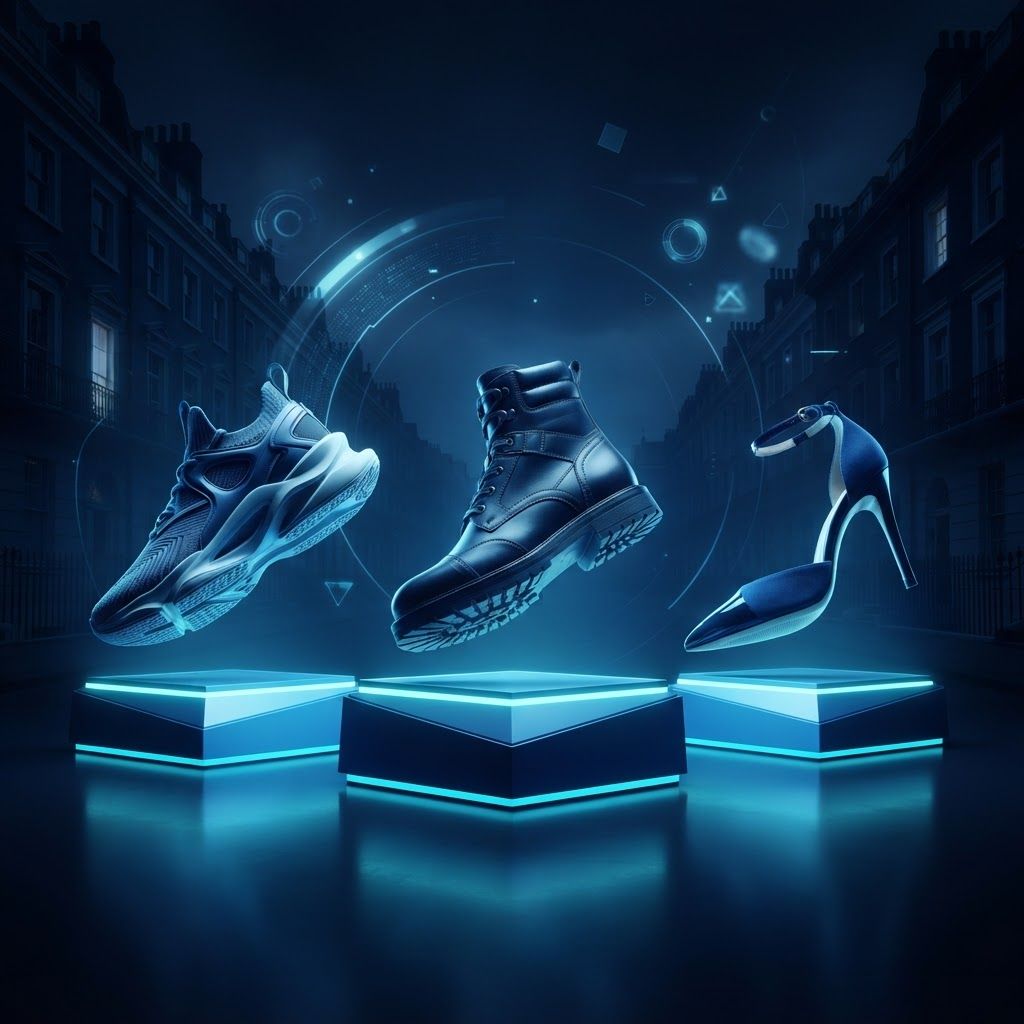
Islington Is a Walking Borough
Footwear in Islington is a functional purchase before it is a fashion one. The borough is dense, well connected and highly walkable, which means residents cover substantial distances on foot every week between Angel, Highbury, Archway and the City fringe. Surfaces vary considerably, from smooth paving on Upper Street to uneven setts around Camden Passage and canal towpath sections along the Regent's Canal. Add frequent rain, heavy cycling use and long days in the office, and the result is a genuinely demanding wear environment.
That environment separates footwear brands quickly. Shoes that survive occasional weekend use often fail within a season under daily London commuting. The brands that maintain reputations here tend to share three characteristics: construction that permits resoling, midsoles that support long distances, and uppers that tolerate persistent damp.
Construction Matters More Than Branding
The single most important technical distinction is how the sole attaches to the upper. Cemented soles are glued, cheaper and effectively disposable. Goodyear welted and Blake stitched constructions are mechanically joined and can be resoled repeatedly, often several times over a decade. For anyone walking Islington daily, welted construction transforms the true cost of ownership even when the purchase price is significantly higher.
Leather quality follows. Full grain leather develops a protective patina and resists water far better than corrected grain or coated finishes, which crack once flexed repeatedly. For trainers, the equivalent consideration is midsole foam density and whether the outsole rubber is genuinely abrasion resistant.
Ten Footwear Brands Worth Considering
1. Dr. Martens. Few brands are more embedded in north London footwear culture. The Goodyear welted classic range genuinely lasts, resoles readily and handles wet weather with minimal care. The break-in period is real, but a properly worn-in pair of 1460s or 1461s will serve for years of daily walking.
2. Clarks. A British institution whose strength is fit range and honest engineering rather than fashion leadership. Clarks offers width fittings that many competitors ignore, which matters enormously for comfort over distance, and its Desert Boot remains one of the most practical crossover styles available.
3. Loake. For formal footwear, Loake represents the accessible end of proper Northampton shoemaking. Goodyear welted Oxfords and Derbys at this level can be resoled by any competent cobbler and will comfortably outlast several pairs of glued alternatives, making them genuinely economical for City-facing professionals.
4. Grenson. Grenson combines traditional welted construction with more contemporary silhouettes and chunkier commando soles that suit London pavements better than thin leather soles. It occupies a useful middle ground between formal and casual for Islington's creative professional demographic.
5. New Balance. Among trainer brands, New Balance has the strongest case for genuine walking comfort. Wide fitting availability, substantial cushioning and durable outsole compounds make models such as the 574 and 990 series practical rather than merely stylish, and they cope well with high daily step counts.
6. Adidas. Adidas remains hugely visible across the borough, and its value lies in breadth. Terrace classics like the Samba and Gazelle work socially, while Boost-equipped running models offer real cushioning for longer commutes. Choose the model according to actual distance walked rather than aesthetics alone.
7. Nike. Nike's technical running and training lines are the reference point for cushioning technology, and for residents combining commuting with gym or park running, its Pegasus and Invincible families offer meaningful performance benefits. Lifestyle silhouettes such as the Air Force 1 remain durable everyday options.
8. Blundstone. Australian Chelsea boots have become a common sight in Islington for good reason. They are pull-on, weatherproof, comfortably cushioned and neutral enough for office wear. For a single boot handling rain, cycling and commuting, they are hard to fault.
9. Birkenstock. For warmer months and indoor wear, Birkenstock's contoured cork footbed provides genuine arch support that flat sandals lack. Replaceable soles and the ability to remould to the wearer's foot make them a long-term rather than seasonal purchase.
10. Vagabond and independent Islington shoe retailers. Vagabond delivers Scandinavian design at mid-market pricing with better construction than its price suggests. Alongside it, Islington's independent shoe shops and long-established local cobblers form an essential part of the footwear ecosystem, offering fitting expertise and repair services that chain retail cannot match.
Getting Fit and Longevity Right
Try shoes late in the day when feet are naturally slightly larger, and always with the socks you intend to wear. Length is easy to judge; width and instep volume are where most poor purchases go wrong, and brands offering multiple fittings are worth prioritising.
Rotate pairs. Leather needs at least a day to dry fully, and wearing the same shoes on consecutive wet days dramatically shortens their life. Two pairs alternated will collectively last far longer than two pairs worn consecutively.
Invest in maintenance. Cedar shoe trees, regular conditioning, and prompt resoling before the welt is damaged will extend a good pair almost indefinitely. Islington has retained several skilled independent cobblers, and using them is significantly cheaper than replacement.
Finally, match the shoe to the actual day. Islington life often involves several miles on foot without warning, and the most stylish choice is rarely the one that gets you home comfortably.
Want your brand featured in front of decision-makers? Publish a guest post or get a link insertion in our guides through AAMAX's guest post and link insertion service.
Helpful Links
 SponsoredAAMAX — Full-Service Digital Agency
Write for Us
Share your expertise with our readers. We welcome guest contributions from industry specialists.
Pitch your idea