Why Footwear Choice Matters More Than Most Purchases
Footwear is the one category where poor buying decisions produce consequences beyond disappointment. Ill-fitting or badly constructed shoes cause genuine physical problems, from blistering and metatarsal pain through to knee, hip and lower back issues that develop gradually over years. In Elmbridge, where residents frequently combine commuting into London with weekend walking across Surrey countryside, footwear needs to perform across several quite different contexts.
The borough's shoppers, spread across Esher, Weybridge, Cobham, Walton-on-Thames and the surrounding villages, tend to approach footwear with a long-term perspective. There is a well-established understanding here that a properly constructed pair of shoes, maintained and resoled, represents better value than several cheap pairs discarded annually. That mindset shapes which brands succeed locally.
Understanding Footwear Construction
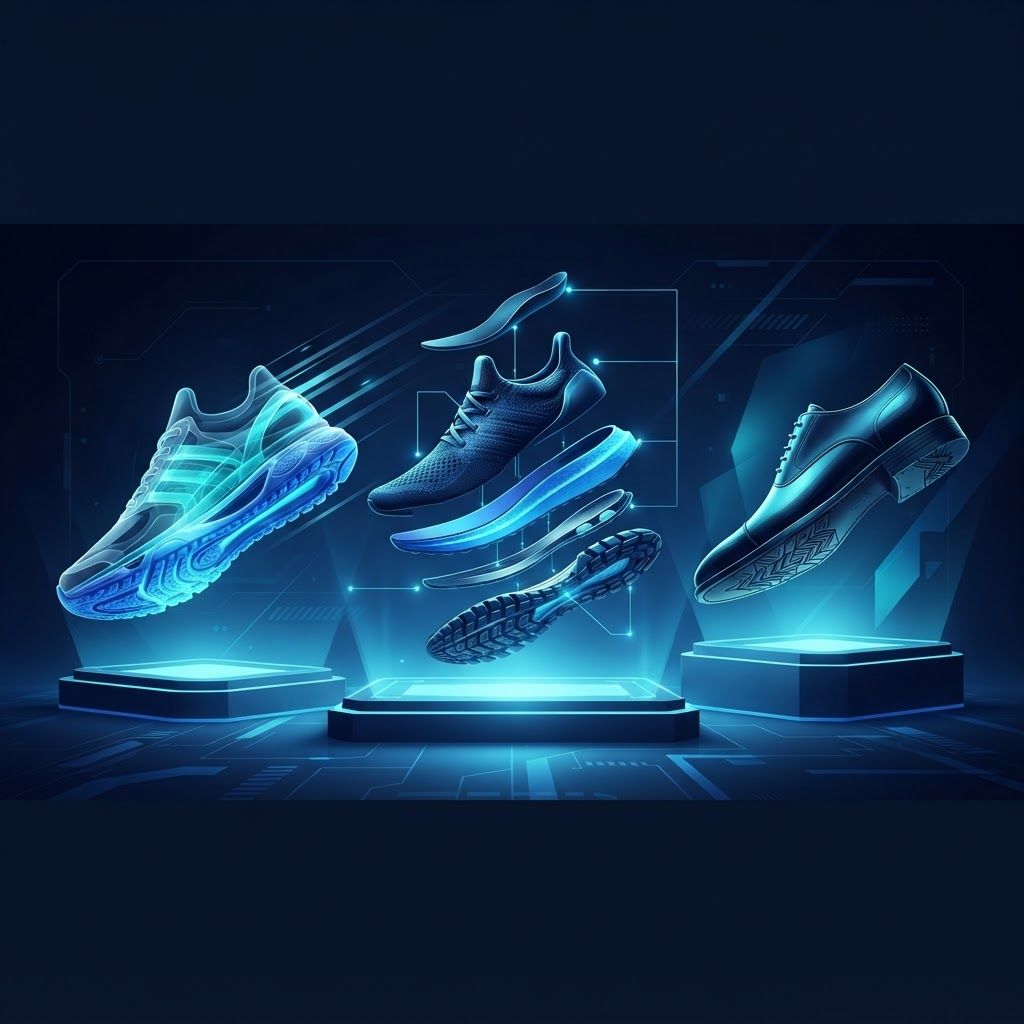
The single most important technical distinction in quality footwear is how the upper attaches to the sole. Goodyear welted construction stitches the upper to a welt, which is then stitched to the sole, creating a shoe that can be resoled repeatedly over decades. Blake stitching is lighter and more flexible, also resoleable but less water resistant. Cemented construction glues the sole on, which is cheapest and generally not repairable.
Leather quality is the second factor. Full-grain leather retains the natural grain surface, develops patina and lasts significantly longer than corrected-grain or bonded alternatives. Vegetable-tanned leather ages particularly well, while chrome tanning produces softer, more uniform results.
Fit deserves more attention than any other consideration. Length is the least important dimension. Width, instep height, heel cup fit and where the shoe flexes relative to the ball of the foot determine comfort. Brands offering multiple width fittings serve customers far better than those producing a single standard width.
The Ten Best Footwear Brands in Elmbridge
1. Church's represents the benchmark for English shoemaking, producing Goodyear welted footwear in Northampton with construction standards that allow decades of use with periodic resoling. The brand's classic Oxford and Derby styles are essentially permanent wardrobe fixtures, and the initial cost amortises remarkably well over a shoe's lifetime.
2. Loake offers English welted construction at a more accessible price point than the very top tier. The brand's range spans formal Oxfords through country brogues and boots, and its repair and resoling service means a pair bought today remains serviceable for many years.
3. Clarks has genuine technical credibility beneath its high-street familiarity. Multiple width fittings, proper children's fitting services and consistently sensible last shapes make Clarks a practical choice for everyday wear and for families across the borough.
4. Dr. Martens combines durability with distinctive design, using Goodyear welted construction that allows resoling. The brand's air-cushioned sole and heat-sealed welt produce footwear that survives hard use, and the breaking-in period rewards patience with excellent long-term comfort.
5. Hunter remains the reference point for wellington boots, a genuinely necessary category given Surrey's clay soils and wet winters. Handcrafted natural rubber construction, proper calf fitting options and durable soles make them practical rather than merely fashionable.
6. Russell and Bromley serves the premium fashion end of the Elmbridge market with well-selected leather goods and footwear across formal, casual and occasion categories. The brand's buying is consistently strong, and fit tends to be generous and comfortable.
7. ECCO approaches footwear from an anatomical perspective, using direct-injected soles and leathers tanned in its own facilities. The brand's comfort engineering suits commuters and anyone spending long periods standing or walking, without the orthopaedic appearance that often accompanies comfort footwear.
8. Salomon and technical outdoor footwear generally have found a strong Elmbridge audience, driven by the North Downs and Surrey Hills walking that many residents enjoy. Grip engineering, waterproof membranes and proper ankle support matter on genuinely muddy terrain.
9. New Balance stands out in athletic footwear for its width fitting range, which is unusual among sports brands and genuinely important for runners. The brand's cushioning technology and continued production of certain models in the UK and US appeal to buyers prioritising fit and durability.
10. Grenson rounds out the list with English welted construction and a slightly more contemporary design sensibility than the traditional Northampton houses. Chunky commando soles, distinctive brogueing and a willingness to experiment with colour give the brand a character that appeals to younger buyers entering the quality footwear market.
Trends in the Footwear Market
Repairability has become a central selling point rather than a technical footnote. Consumers increasingly ask whether a shoe can be resoled before buying, and brands offering factory repair services have gained meaningful advantage. Local cobblers across Elmbridge report growing demand for resoling and recrafting work.
Comfort technology has migrated into formal footwear. Cushioned insoles, flexible constructions and lighter materials now appear in shoes that look entirely traditional, closing the historic gap between smart and comfortable.
Sustainability efforts are advancing, with recycled materials, chrome-free tanning, bio-based soles and take-back schemes all expanding. Natural rubber sourcing and leather traceability receive particular attention from brands responding to informed customers.
Hybrid styling reflects changed working patterns. With hybrid working now standard for many Elmbridge commuters, demand has shifted towards footwear that works in an office and at a weekend lunch, reducing the number of distinct pairs people need.
Buying Footwear Well
Shop for shoes in the afternoon, when feet have swollen slightly from the day's activity, and always try both feet as most people have a measurable difference between them. Wear the socks you intend to use with the shoes.
Allow for breaking in with welted leather footwear, but distinguish between stiffness that will soften and pressure points that will not. Genuine pain in a specific spot generally indicates a fit problem rather than a break-in issue.
Rotate footwear rather than wearing the same pair daily. Leather needs time to dry between wears, and a rotation of two or three pairs will outlast the same number worn consecutively by a considerable margin.
Invest in cedar shoe trees for leather shoes, use appropriate cleaning and conditioning products, and have shoes resoled before the welt is damaged rather than after. These habits cost little and dramatically extend the life of good footwear.
Want your brand featured in front of decision-makers? Publish a guest post or get a link insertion in our guides through AAMAX's guest post and link insertion service.
Helpful Links
 SponsoredAAMAX — Full-Service Digital Agency
Write for Us
Share your expertise with our readers. We welcome guest contributions from industry specialists.
Pitch your idea