Feeding Greater Manchester from Trafford
Food wholesaling is one of the least visible but most consequential industries in Trafford. Every morning, before the borough's restaurants open, refrigerated vehicles are moving out of depots across Trafford Park and Carrington carrying meat, fish, produce, dairy, bakery, ambient groceries and non-food consumables to thousands of kitchens across Greater Manchester and beyond.
Trafford's suitability for this trade is straightforward. Cold storage and distribution require large, well-serviced industrial buildings with good yard space and immediate motorway access, and Trafford Park supplies exactly that. From there, a delivery vehicle can reach central Manchester in minutes, Cheshire and Merseyside comfortably within the morning, and most of the North West on a single shift. For a sector where product has a shelf life measured in days and delivery windows are measured in hours, that geography is decisive.
The customer base is exceptionally varied: independent restaurants and cafes, pubs and bars, hotels, contract caterers, school and hospital catering, care homes, farm shops, delicatessens, convenience retailers, and increasingly dark kitchens and meal-kit operations. Trafford's own hospitality scene, from Altrincham's food hall culture to the restaurants around the Trafford Centre and Old Trafford's match-day trade, provides a substantial local market on the doorstep.
Categories of Food Wholesaling
Broadline foodservice wholesalers supply everything a kitchen needs from one source: frozen, chilled, ambient, drinks and disposables. Convenience is the proposition, with a single delivery and a single invoice covering the whole order.
Fresh produce wholesalers handle fruit, vegetables, salads and herbs, buying daily and delivering with very short lead times. Quality varies with season and weather, so buyer skill and grower relationships determine consistency.
Butchery and meat wholesalers supply carcass, primal and portioned meat, often cutting to chefs' specifications. Traceability, cold chain integrity and consistent yield are the critical factors.
Fish and seafood wholesalers work to the fastest clock of all, buying from markets and day boats and delivering within hours. Sustainability certification has become a standard expectation.
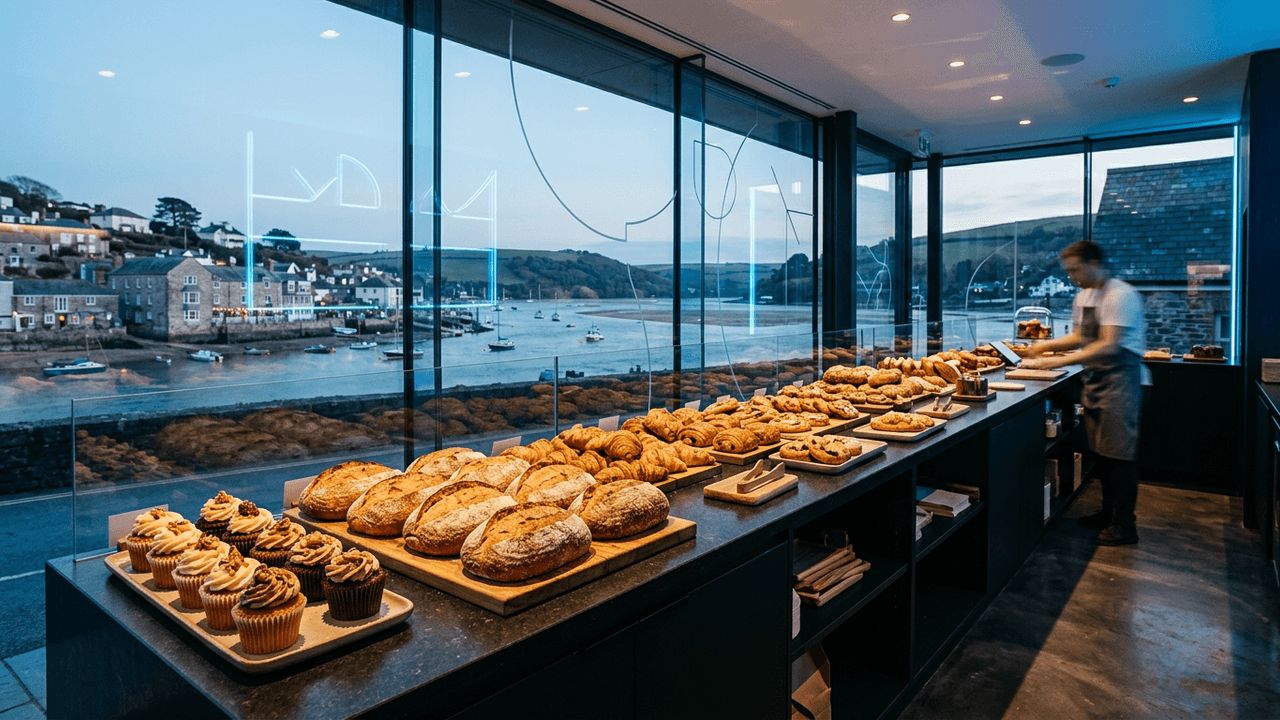
Bakery wholesalers supply bread, morning goods, pastries and desserts, either baked locally overnight or supplied part-baked and frozen for finishing on site.
Specialist and ethnic food importers supply ingredients that broadline suppliers do not carry, and are essential to Greater Manchester's diverse restaurant scene.
Cash and carry operations let smaller businesses buy in person without minimum delivery values, which suits micro-caterers, market traders and shops topping up between deliveries.
The Top 10 Food Wholesalers in Trafford
1. Trafford Park Foodservice. The borough's largest broadline wholesaler, holding frozen, chilled and ambient ranges across thousands of lines with multi-temperature delivery. Its account managers work with chefs on menu costing and product substitution, which has proved valuable through periods of volatile ingredient pricing.
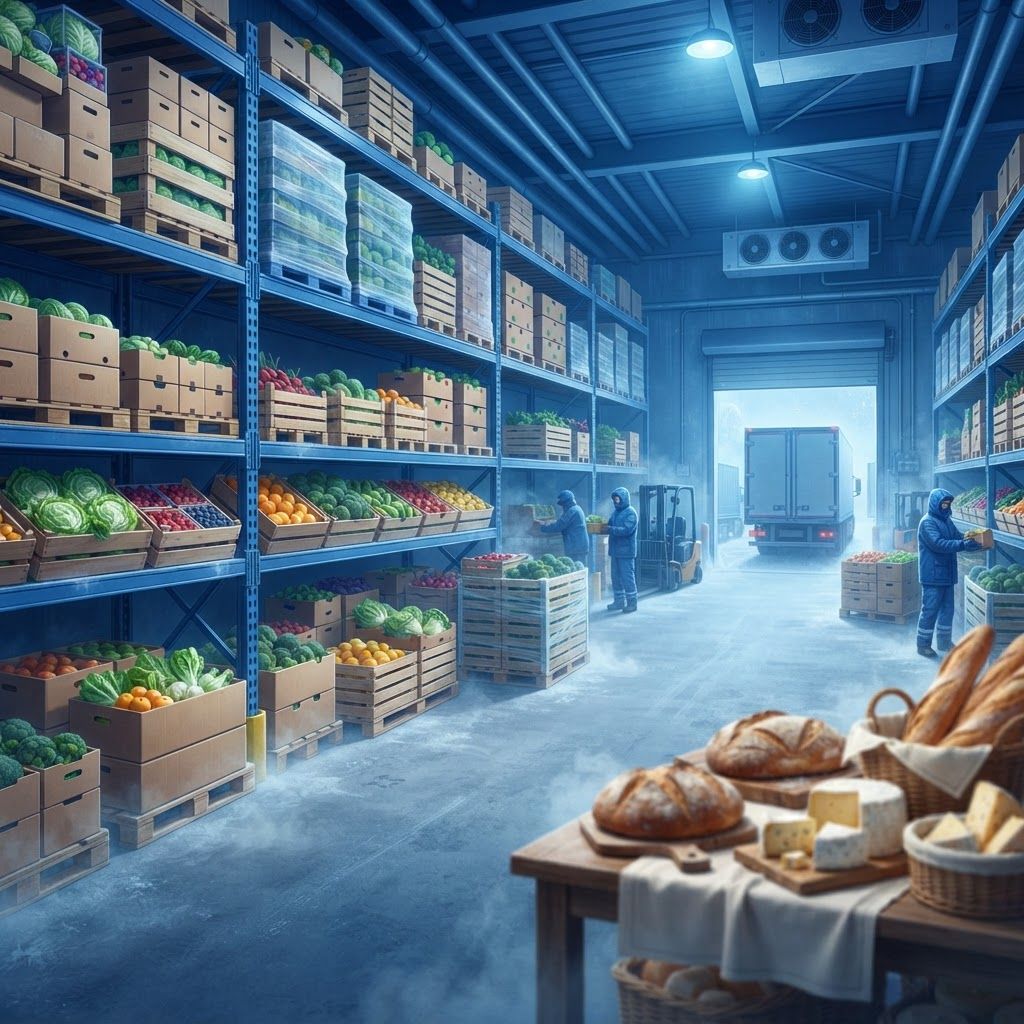
2. Carrington Cold Storage and Distribution. A third-party cold chain operator providing frozen and chilled storage, blast freezing, pick and pack, and temperature-controlled distribution for food producers and importers. Continuous temperature monitoring with full audit records supports customers' own due diligence obligations.
3. Stretford Fresh Produce. A produce wholesaler buying daily and delivering to restaurants, hotels and delicatessens across Greater Manchester. Direct relationships with UK growers alongside imported lines allow it to offer seasonal British produce at its best while maintaining year-round availability.
4. Old Trafford Butchery Wholesale. A meat wholesaler supplying beef, lamb, pork and poultry with full traceability to farm level, cutting to chef specification and portioning to exact weights. Its dry-ageing facility and consistent yield performance make it a long-standing supplier to premium restaurants.
5. Sale Seafood Supply. A fish and seafood wholesaler buying from markets and day boats with next-morning delivery of filleted and portioned product. Certification for sustainably sourced species and clear labelling of catch method and origin meet the expectations of both chefs and diners.
6. Urmston Bakery Distribution. A wholesale bakery producing bread, rolls, morning goods and patisserie overnight for early delivery, alongside a frozen part-baked range for kitchens finishing on site. Bespoke bun and roll specifications for burger and sandwich operators are a notable strength.
7. Altrincham Fine Foods and Deli Supply. A specialist wholesaler carrying artisan cheese, charcuterie, oils, preserves and store-cupboard ingredients for delicatessens, farm shops and restaurants. Its buyers focus on small producers, giving customers products that larger distributors do not stock.
8. Trafford Asian and World Food Importers. An importer and distributor supplying rice, spices, pulses, sauces, noodles and speciality ingredients to Greater Manchester's diverse restaurant sector. Deep category knowledge and direct import relationships give it both authenticity and competitive pricing.
9. Partington Beverage and Bar Supply. A drinks wholesaler covering soft drinks, juices, coffee, tea, beer, wine and spirits, plus bar sundries and glassware. It provides beverage list construction and staff training for pubs and restaurants alongside straightforward supply.
10. Davyhulme Catering Disposables and Packaging. A supplier of takeaway packaging, food-contact films, cleaning chemicals, hygiene consumables and light catering equipment. Its expanded range of compostable and recyclable packaging reflects the pressure on food businesses to remove single-use plastic.
How Caterers Should Evaluate Food Wholesalers
Food safety credentials come first and are not negotiable. Ask for evidence of third-party certification, HACCP-based controls, cold chain temperature records and traceability procedures. Under UK food law the buying business carries due diligence responsibility, and that responsibility cannot be delegated to a supplier who cannot document its own controls.
Judge cost properly rather than by list price. Yield matters more than price per kilo on meat and fish: a slightly dearer product that trims to a higher usable percentage is cheaper per portion. Delivery frequency affects waste and working capital. Minimum order values affect how often you must over-order. Build a genuine cost per portion before deciding.
Test service reliability, because in catering a late or short delivery is not an inconvenience but a menu failure. Ask about delivery windows, substitution policy when a line is unavailable, and how shortages are communicated. A supplier who telephones at six in the morning to warn of a shortage is worth more than one who simply delivers an incomplete order.
Balance consolidation against specialisation. One broadline supplier simplifies administration and can improve pricing through volume. But most serious kitchens run a hybrid model, using a broadline supplier for the bulk of the order and specialists for produce, meat, fish and bakery where quality differences are most visible on the plate.
Trends Shaping the Sector
Cost pressure has been the dominant theme in recent years, driven by energy, labour, packaging and commodity inflation. Wholesalers have responded with more active substitution advice, menu engineering support and range rationalisation, helping customers protect margin without visibly degrading quality.
Provenance and sustainability now influence purchasing at every level. Diners ask where food comes from, procurement frameworks in public sector catering score local and sustainable sourcing, and wholesalers who can evidence certification, farm-level traceability and reduced food miles win work on those grounds.
Waste reduction has become genuinely commercial rather than merely virtuous. Better forecasting, more frequent smaller deliveries, redistribution of surplus and improved shelf-life management all reduce cost while reducing environmental impact, and the best wholesalers actively help customers achieve it.
Digital ordering has matured quickly. Online platforms with live pricing, order history, allergen data and integration with kitchen management systems have replaced telephone ordering in most professional kitchens, and allergen information accuracy has become a legal as well as a service requirement.
Conclusion
Trafford's food wholesale sector is a genuine strategic asset for hospitality across the North West, combining cold chain infrastructure, motorway access and specialist depth across broadline, produce, meat, fish, bakery, fine food, world food, beverage and packaging categories. Choose suppliers on documented food safety, real cost per portion, service reliability and provenance transparency. For most kitchens the right answer is a broadline supplier for breadth combined with specialists where quality shows most clearly on the plate.
Want your brand featured in front of decision-makers? Publish a guest post or get a link insertion in our guides through AAMAX's guest post and link insertion service.
Helpful Links
 SponsoredAAMAX — Full-Service Digital Agency
Write for Us
Share your expertise with our readers. We welcome guest contributions from industry specialists.
Pitch your idea