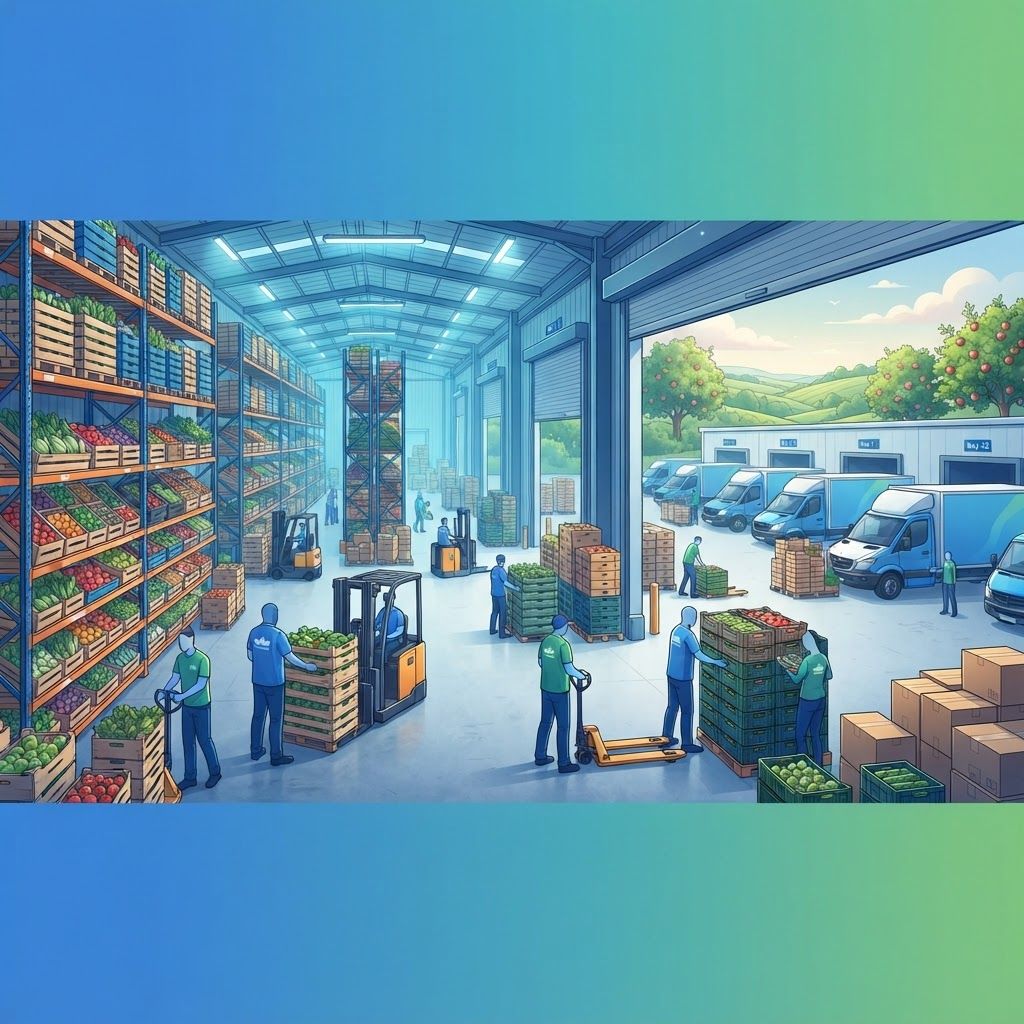
Feeding the Garden of England
Kent has been called the Garden of England for good reason, and Tonbridge and Malling sits squarely within that agricultural landscape. Orchards, soft fruit growers, hop gardens, arable farms and market gardens surround the borough's towns and villages. That proximity to primary production gives local food wholesalers an advantage that operators in more urban areas simply do not have: genuinely short supply chains for seasonal produce.
The customer base is equally varied. Independent restaurants and gastropubs across the borough compete on the quality of their ingredients. School and care catering operations need consistent supply at controlled cost. Farm shops, delicatessens and convenience retailers require reliable ambient and chilled ranges. Food manufacturers on the industrial estates need bulk ingredients. Each of these needs something different from a wholesaler.
What Makes a Strong Food Wholesaler
Food safety and traceability are non-negotiable. A credible wholesaler operates a documented hazard analysis and critical control points system, maintains temperature-controlled storage and transport with monitoring records, and can trace any product back to its source rapidly. Third-party certification against a recognised food safety standard provides independent assurance and is generally expected by professional buyers.
Cold chain integrity deserves particular scrutiny. Chilled and frozen goods must remain within temperature limits from supplier to delivery, and a wholesaler should be able to evidence that with data rather than assurance. Delivery vehicles should be properly refrigerated and monitored, not simply insulated.
Product range and flexibility determine practical usefulness. A restaurant may need a small daily delivery of fresh produce, while a manufacturer needs pallets of a single ingredient. Wholesalers differ enormously in minimum order values, delivery frequency and willingness to handle special orders.
Local sourcing capability is a genuine differentiator in Kent. Wholesalers with direct grower relationships can offer produce picked within a day, which affects both quality and the story a restaurant can tell its customers.
Ten Leading Food Wholesalers Serving the Borough
Medway Fresh Produce supplies fruit and vegetables to restaurants, schools and retailers, with strong relationships across Kent growers enabling short-chain seasonal supply alongside imported lines out of season.
Kings Hill Catering Supplies operates as a broadline wholesaler covering ambient, chilled and frozen goods, disposables and cleaning products, serving hospitality and institutional caterers with scheduled deliveries.
Aylesford Meat and Poultry Wholesale provides butchery and prepared meat products with full traceability, offering bespoke cutting specifications for chefs and portion control for volume caterers.
Tonbridge Bakery Distribution supplies bread, pastries, morning goods and bakery ingredients to cafes, retailers and caterers, with early morning delivery schedules suited to the trade.
Weald Dairy Supplies distributes milk, cream, cheese, butter and chilled dairy products, including a selection of Kentish artisan cheeses alongside commodity lines.
Snodland Frozen Foods specialises in frozen product distribution covering vegetables, proteins, desserts and prepared meals, with temperature-monitored storage and delivery.
Malling Beverage Wholesale supplies soft drinks, juices, coffee, tea and licensed products to pubs, restaurants and retailers, including Kentish ales, ciders and wines from local producers.
North Downs Organic Foods focuses on organic and speciality products, serving health food retailers, delicatessens and restaurants with certified organic ranges and free-from lines.
Borough Green Food Ingredients supplies bulk ingredients to food manufacturers and bakeries, including flours, sugars, oils, seasonings and functional ingredients with specification documentation.
Larkfield Seafood Distribution provides fresh and frozen fish and shellfish, working with day boat landings and established markets to supply restaurants and fishmongers across west Kent.
Trends in Food Wholesale
Provenance has become a commercial asset rather than a marketing detail. Diners increasingly want to know where food came from, and restaurants respond by naming farms and suppliers on menus. Wholesalers who can document origin and tell that story accurately help their customers sell more.
Cost pressure has been relentless, with input costs, energy and labour all rising. Buyers have responded by reviewing specifications more carefully, reducing waste, cross-utilising ingredients across menu items and negotiating more actively. Wholesalers who help customers manage cost, rather than simply passing increases along, retain business better.
Waste reduction has moved from ethical concern to operational priority. Better forecasting, smaller more frequent deliveries, and redistribution of surplus food all reduce the substantial waste that traditionally occurred in food supply chains. Some wholesalers now offer short-dated stock at reduced prices rather than disposing of it.
Dietary diversification continues to expand range requirements. Plant-based, gluten-free, halal and allergen-controlled products are now mainstream rather than niche, and accurate allergen information has become a legal and reputational necessity throughout the supply chain.
Buying Well as a Food Business
Consolidate deliveries where practical. Multiple small deliveries from many suppliers consume staff time at goods-in and increase the chance of errors going unnoticed. Fewer, larger deliveries with a well-chosen core supplier plus specialists for key categories usually works best.
Check goods properly on arrival. Temperature, date codes, quality and quantity should be verified and recorded, not assumed. This is both a food safety requirement and the only way to identify a supplier whose standards are slipping.
Negotiate on specification rather than only on price. A slightly different cut, grade or pack size can reduce cost significantly without affecting the finished dish. A good wholesaler will suggest these options if asked.
Plan around seasonality. In Kent this is a genuine opportunity. Building menus around what is abundant locally improves quality, reduces cost and supports the surrounding agricultural economy.
Final Thoughts
Food wholesalers in Tonbridge and Malling operate at the heart of one of England's most productive agricultural regions. The businesses profiled here cover fresh produce, broadline catering supply, meat, bakery, dairy, frozen, beverages, organic, ingredients and seafood. Choosing suppliers with rigorous food safety practices, reliable cold chain management and genuine local sourcing capability gives any food business a firmer foundation than price alone ever could.
Want your brand featured in front of decision-makers? Publish a guest post or get a link insertion in our guides through AAMAX's guest post and link insertion service.
Helpful Links
 SponsoredAAMAX — Full-Service Digital Agency
Write for Us
Share your expertise with our readers. We welcome guest contributions from industry specialists.
Pitch your idea