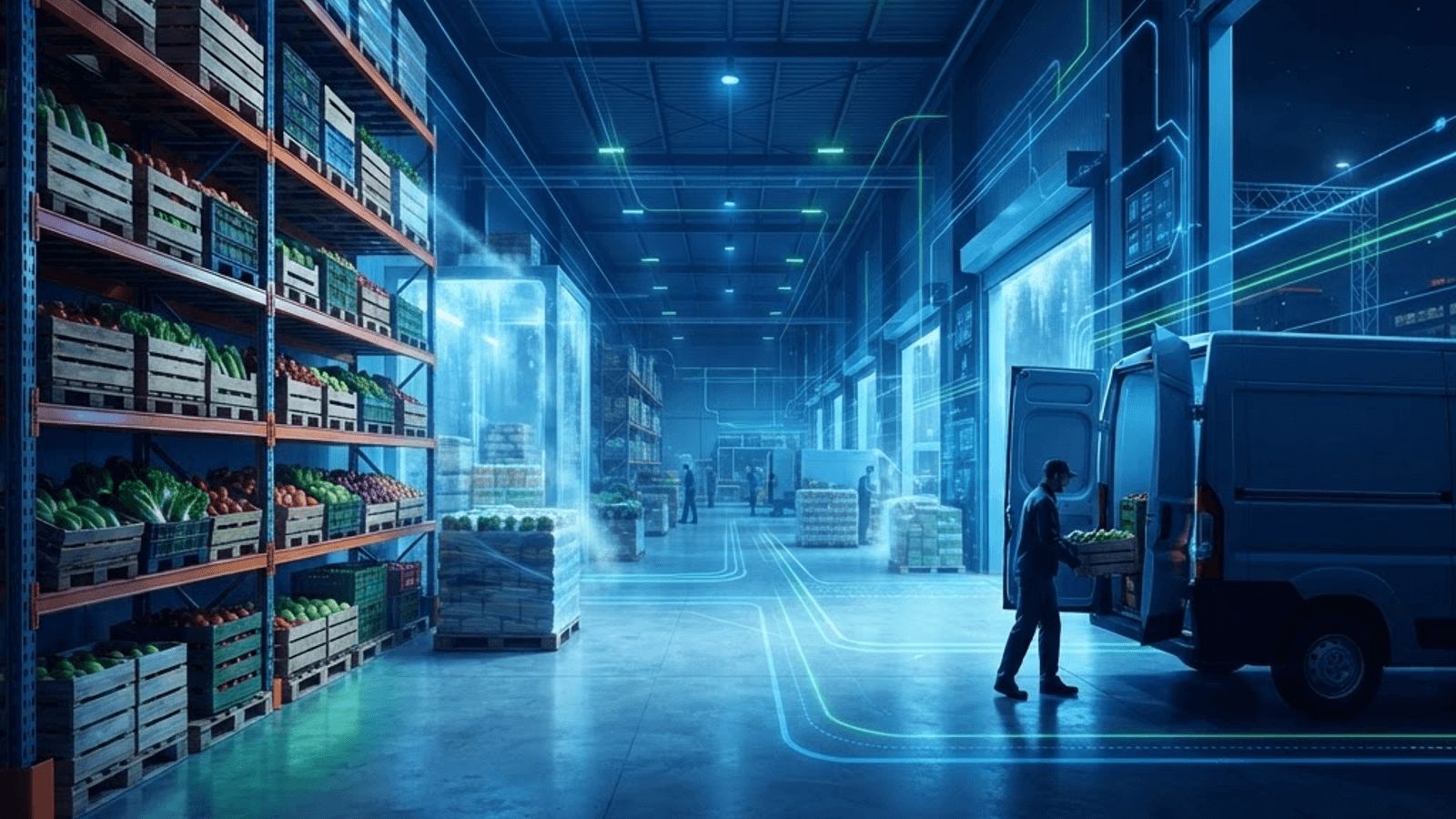
Feeding Test Valley: The Wholesale Food Supply Chain
Test Valley sits in one of the more productive agricultural corners of southern England. The chalk downland around Andover supports arable farming and livestock, the river valley sustains watercress beds and trout fisheries, and the market towns of Romsey and Stockbridge host a food and hospitality scene well above what their population would suggest. Country pubs, village cafes, farm shops, hotels and a thriving events and wedding sector all need consistent supply, and that demand supports a varied wholesale network.
Wholesale here ranges from national broadline distributors delivering everything from cling film to frozen chips, through to small specialist suppliers bringing in a single category exceptionally well. Most professional kitchens use a blend: a broadliner for the bulk of the order and two or three specialists for the items that define the menu.
Trends Reshaping Food Wholesale
Provenance has become a genuine commercial driver rather than a menu flourish. Diners increasingly expect to know where the beef, the cheese or the watercress came from, and kitchens increasingly want suppliers who can name the farm. That has favoured wholesalers with short, transparent supply chains and has encouraged local producers to sell directly into hospitality.
Cost pressure runs in the opposite direction. Ingredient inflation, energy costs and wage increases have squeezed hospitality margins hard, making yield, consistency and waste reduction critical. Wholesalers that help chefs manage this, through accurate portioning, sensible pack sizes, honest substitution advice and reliable pricing, retain customers through difficult periods.
Allergen management and traceability have tightened considerably. Full ingredient declarations, allergen matrices and batch traceability are now expected as standard, and any supplier who treats this casually is a liability to their customers.
Finally, ordering has gone digital. Online portals with live stock, cut-off times and order history have replaced telephone ordering for most operators, and integration with stock control systems is increasingly common.
Ten Food Wholesalers Serving the Borough
1. Test Valley Foodservice. A broadline wholesaler covering ambient, chilled and frozen categories plus non-food consumables. Multi-temperature vehicles, scheduled delivery days and a single invoice for the majority of a kitchen's requirements, which simplifies administration enormously.
2. Andover Fresh Produce. Daily fruit and vegetable supply sourced from local growers where possible and wholesale markets otherwise. Early morning deliveries, prepared vegetable options and the flexibility to handle last-minute additions for busy service periods.
3. Romsey Butchery Supplies. A wholesale butcher supplying beef, lamb, pork, poultry and game with full farm traceability. Bespoke cutting to chef specification, dry-aged options and consistent portion control, which protects gross profit far more than headline price.
4. Chalkstream Fish & Seafood. Fresh and smoked fish including locally farmed trout alongside day-boat coastal landings. Filleting to order and rapid cold-chain delivery, serving restaurants that want seafood on the menu without holding risky stock.
5. Anton Dairy Distribution. Milk, cream, butter, yoghurt and a substantial artisan cheese range including regional producers. Frequent deliveries suit cafes and bakeries where dairy turnover is high and shelf life is short.
6. Valley Bakery Wholesale. Bread, rolls, pastries, viennoiserie and patisserie delivered fresh daily or supplied part-baked and frozen for on-site finishing. The frozen option has become popular with pubs wanting fresh bread without a bakery operation.
7. Stockbridge Fine Foods. Speciality and deli lines: oils, vinegars, charcuterie, preserves, chocolate and premium store cupboard ingredients. Serves farm shops, delicatessens and hampers businesses as well as restaurant kitchens.
8. Nursling Drinks Wholesale. Soft drinks, juices, coffee, tea, beers, wines and spirits with dispense equipment and cellar support. Handles both licensed trade and cafe requirements, including staff training on coffee equipment.
9. Wherwell Organic Supplies. Certified organic produce, grains, pulses, plant-based proteins and free-from lines. A focused option for vegetarian, vegan and health-led operators, with clear certification documentation.
10. North Baddesley Catering Essentials. Dry goods, frozen staples, disposables, packaging and cleaning chemicals in bulk. Cash-and-carry plus delivery, and a common top-up source for caterers, event operators and community organisations.
Choosing Suppliers for a Professional Kitchen
Build your supplier list around your menu rather than the other way round. Identify the four or five ingredients that define your food, source those from genuine specialists, and consolidate everything else with a broadliner to reduce delivery days and administration. Too many suppliers creates chaos at the back door; too few creates dependency.
Negotiate on total value, not line price. Delivery frequency, minimum order thresholds, credit terms, out-of-stock policy and the quality of substitutions all affect your real cost. A supplier who substitutes thoughtfully when something is unavailable is worth considerably more than one who simply short-delivers.
Insist on cold chain discipline. Ask how vehicles are temperature monitored, what the delivery temperature tolerances are, and how the supplier handles a failure. Environmental health inspections will examine your due diligence records, and those records depend on your suppliers.
Review pricing regularly but fairly. Quarterly price reviews with market context are healthier than aggressive annual tendering, which tends to erode service quality. And always keep a secondary supplier warm for your critical categories, because a single point of failure on protein or produce can close a kitchen.
The Outlook for Food Wholesale in Test Valley
The local food economy remains strong, supported by tourism along the Test, an active pub and restaurant scene and a population that buys into regional produce. Wholesalers investing in cold chain efficiency, digital ordering, reduced packaging and closer producer relationships are positioned well. For operators, the opportunity is to build a supply chain that is both commercially disciplined and genuinely local, which increasingly is not a compromise but a competitive advantage.
Want your brand featured in front of decision-makers? Publish a guest post or get a link insertion in our guides through AAMAX's guest post and link insertion service.
Helpful Links
 SponsoredAAMAX — Full-Service Digital Agency
Write for Us
Share your expertise with our readers. We welcome guest contributions from industry specialists.
Pitch your idea