Swansea, Gower and a Genuinely Good Food Region
Swansea sits in one of Britain's more fortunate food landscapes. The Gower peninsula, the UK's first designated Area of Outstanding Natural Beauty, produces salt marsh lamb, early potatoes, dairy and vegetables. Swansea Bay and the Bristol Channel supply cockles, mussels, laverweed and a range of fish, with the Penclawdd cockle tradition stretching back centuries. Inland Carmarthenshire and the Brecon Beacons provide beef, lamb, cheese and grain.
Swansea Market anchors the retail side of this ecosystem, famous for cockles, laverbread and Welsh cakes, while the city's restaurant scene, hotels, cafes, pubs, universities, hospitals and schools generate substantial daily demand for reliable food supply. Between producers and all these kitchens sit the wholesalers.
Local food wholesale divides into recognisable specialisms: fresh produce, meat and poultry, fish and shellfish, bakery, dairy, ambient and dry goods, frozen, drinks, and catering equipment and disposables. Most professional kitchens use a combination, typically a broadline supplier for volume plus two or three specialists where quality genuinely differentiates the finished dish.
Food Safety and Compliance Fundamentals
Food wholesale operates under strict legal duties, and understanding them helps you judge a supplier. Businesses must have a documented food safety management system based on HACCP principles, maintain traceability so that any product can be traced one step back and one step forward, and control temperatures throughout the cold chain.
Allergen management is a legal and moral priority. The fourteen major allergens must be identified and communicated accurately, and Natasha's Law requirements for prepacked for direct sale foods have raised expectations on labelling detail throughout the chain. A wholesaler should provide accurate product specifications with allergen data, not vague reassurance.
Temperature control is the practical daily test. Chilled goods should arrive within their required range, and a supplier should be able to evidence vehicle temperature monitoring. Ask about their food hygiene rating, third-party audit certification and how they handle a recall, because how a supplier behaves during a problem tells you more than how they behave when everything is fine.
1. Swansea Bay Fresh Produce
Swansea Bay Fresh Produce supplies fruit, vegetables, salads and herbs to restaurants, hotels, schools and caterers, combining daily market buying with direct relationships with Gower and Carmarthenshire growers. Early morning delivery and the flexibility to accept late orders make it practical for kitchens working to fresh menus. Seasonal availability guidance helps chefs plan menus around what is genuinely at its best.
2. Gower Meat and Poultry Wholesale
Gower Meat and Poultry Wholesale supplies beef, lamb, pork, chicken and charcuterie with a focus on Welsh provenance, including salt marsh lamb in season. In-house butchery to specification means chefs receive consistent portions ready for service, which controls both food cost and plate consistency. Full traceability documentation accompanies deliveries.
3. Penclawdd Seafood Suppliers
Drawing on the cockle-gathering heritage of the north Gower coast, Penclawdd Seafood Suppliers provides cockles, mussels, laverbread, fresh fish and shellfish to restaurants and fishmongers. Seasonality and daily landings dictate availability, and the company communicates clearly about what is genuinely available rather than promising species it cannot reliably source. Sustainability of stock is an explicit consideration.
4. Tawe Catering Supplies
Tawe Catering Supplies operates as a broadline wholesaler covering ambient groceries, frozen foods, dairy, oils, sauces and disposables in a single delivery. For most kitchens this consolidation is the practical backbone of ordering, reducing the number of deliveries to manage. Consistent stock availability and clear pricing structures are its principal strengths.
5. Mumbles Bakery Wholesale
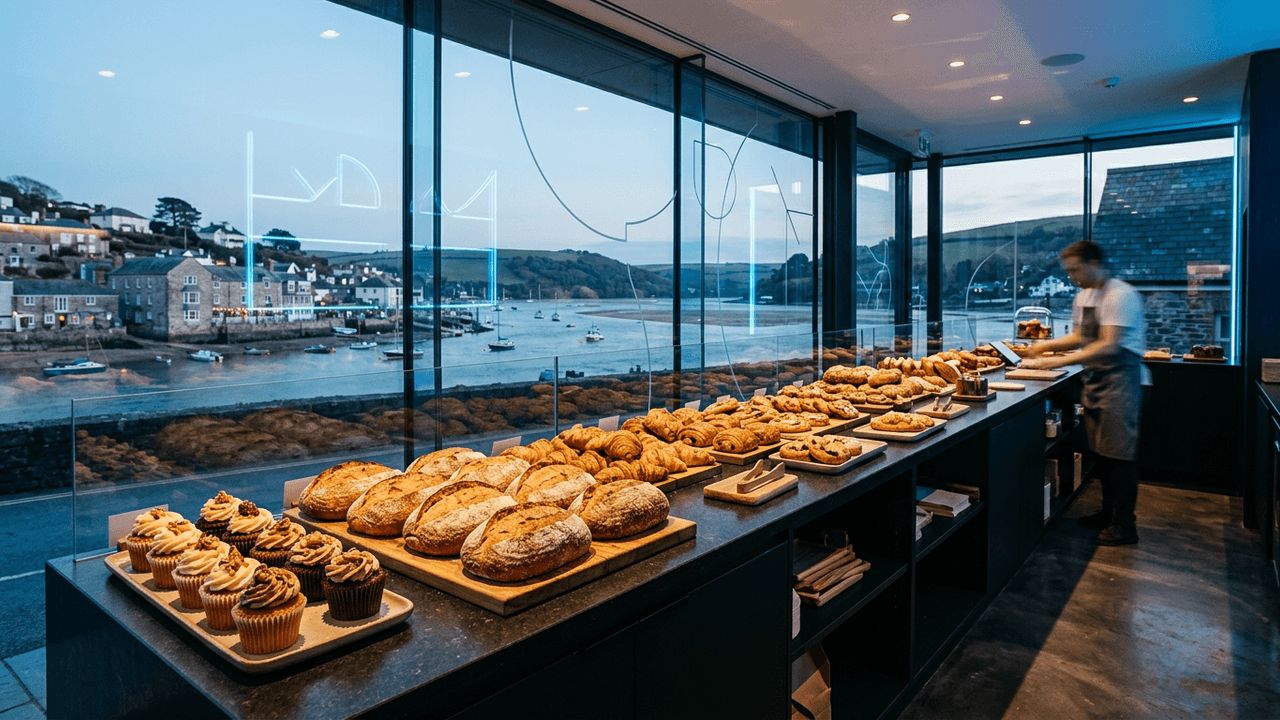
Mumbles Bakery Wholesale delivers bread, rolls, pastries, cakes and Welsh cakes to cafes, hotels, delis and retailers. Early delivery is essential in this category, and the bakery's production schedule is built around getting fresh product to customers before opening. Par-baked and frozen dough options allow venues to bake on site for aroma and freshness.
6. Llansamlet Dairy and Chilled Distribution
This wholesaler supplies milk, cream, butter, cheese and chilled products, including a strong range of Welsh farmhouse cheeses. Cold chain integrity is the whole business here, and the company invests in monitored refrigerated vehicles and disciplined loading practices. Frequent delivery schedules suit venues with limited chilled storage.
7. Baglan Wholesale Drinks and Beverages
Baglan Wholesale Drinks and Beverages provides soft drinks, juices, coffee, tea, mixers and bar supplies to hospitality venues, with growing ranges in low and no alcohol alternatives and speciality coffee. Equipment support, staff training on drink preparation and menu advice add value beyond simple product supply, helping venues improve margin on high-yield categories.
8. Kingsway World Foods Wholesale
Kingsway World Foods Wholesale imports and distributes ingredients for Asian, Middle Eastern, African, Caribbean and Mediterranean cooking, serving restaurants, takeaways and independent grocers. Swansea's diverse population and its many independent restaurants sustain strong demand, and the wholesaler's authentic sourcing helps kitchens achieve genuine flavour rather than approximation.
9. Landore Frozen Food Distribution
Landore Frozen Food Distribution supplies frozen vegetables, fish, meat, desserts and prepared items to caterers, pubs and institutional kitchens. Frozen products deserve less prejudice than they receive: freezing at source often preserves nutrition better than a long fresh supply chain, and it dramatically reduces waste in kitchens with variable footfall. Portion-controlled formats support consistent costing.
10. Clyne Organic and Speciality Foods
Clyne Organic and Speciality Foods focuses on organic, free-from, vegan and artisan products for health food shops, delis, cafes and progressive restaurants. As plant-based and free-from demand has become mainstream rather than niche, this supplier's range and its accurate labelling information have become genuinely valuable to venues that must answer customer questions confidently.
Trends in Food Wholesale
Provenance is now a selling point rather than a detail. Menus increasingly name farms, boats and producers, and wholesalers who can supply that story with documentation help their customers command better prices. Welsh sourcing carries real weight with both locals and visitors.
Waste reduction has become a shared commercial priority. Smaller, more frequent deliveries, accurate forecasting, portion-controlled products and better rotation discipline all cut the amount of food thrown away, which is simultaneously the largest avoidable cost in most kitchens and its biggest environmental impact.
Plant-based and free-from ranges continue expanding, driven by health, ethical and dietary requirements. Meanwhile cost pressure across hospitality has pushed wholesalers to offer more support with menu engineering, yield analysis and specification substitution, helping kitchens protect margin without visibly reducing quality.
Technology is improving the experience, with online ordering, live stock visibility, delivery tracking and digital invoicing reducing administration for chefs who would rather be cooking.
Negotiating a Supply Arrangement
Understand your own numbers first. Know your food cost percentage, your key lines by volume and your delivery frequency requirements. Wholesalers price according to order value, drop frequency and payment reliability, so consolidating spend across fewer suppliers usually improves terms.
Agree a core price list on your highest-volume lines and review it periodically, and ask for advance notice of price movements so you can adjust menus deliberately rather than discovering the change on an invoice. Clarify minimum order values, cut-off times, substitution policy and credit terms in writing.
Check every delivery against the note and record temperatures, because disputes are far easier to resolve immediately. Finally, treat your best suppliers as partners: tell them your plans, invite them to taste your food, and they will tell you when something exceptional lands. In a food region as good as Swansea and Gower, that early call is worth a great deal.
Want your brand featured in front of decision-makers? Publish a guest post or get a link insertion in our guides through AAMAX's guest post and link insertion service.
Helpful Links
 SponsoredAAMAX — Full-Service Digital Agency
Write for Us
Share your expertise with our readers. We welcome guest contributions from industry specialists.
Pitch your idea