A Town That Takes Food Seriously
Stroud has a national reputation for food. Its farmers market has won repeated recognition as one of the best in Britain, its independent shops, delis, bakeries and cafes are unusually numerous for a town of its size, and the surrounding Cotswold and Severn Vale farmland produces excellent meat, dairy, vegetables and grain. Organic and biodynamic farming has deep roots in the area, and the community is well informed about provenance.
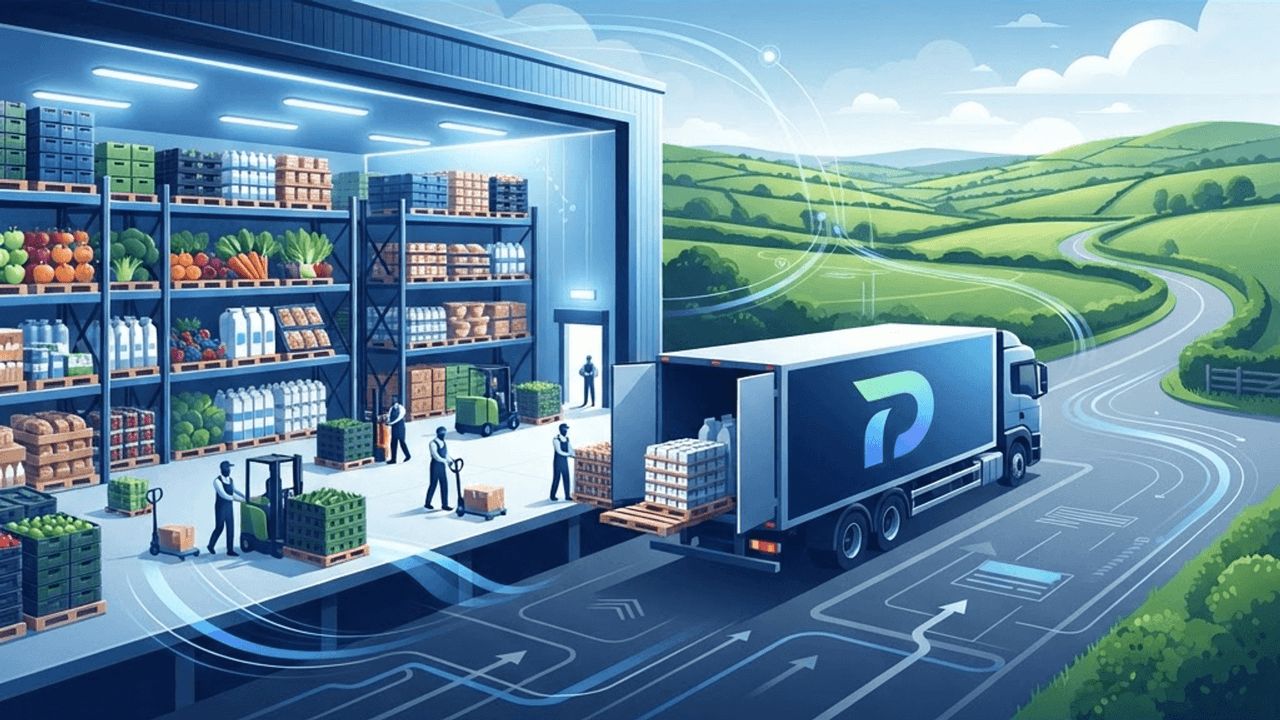
Supplying this ecosystem takes a diverse wholesale network: national foodservice distributors delivering the everyday essentials, regional specialists in fresh produce and meat, local farms selling direct to trade, and niche importers supplying speciality ingredients. Understanding who does what helps any local food business buy better.
Wholesalers and Suppliers Serving the District
National foodservice distributors provide the broadest range. Brakes and Bidfood deliver across Gloucestershire with extensive ambient, chilled and frozen catalogues covering everything from cooking oil to desserts. Booker operates cash and carry and delivered wholesale serving caterers and convenience retailers. These suppliers offer convenience, credit and reliability, and most Stroud hospitality businesses use at least one.
Fresh produce specialists tend to be regional. Total Produce, Reynolds and independent Bristol and Gloucester based fruit and vegetable wholesalers supply restaurants and cafes with daily deliveries, often collecting from local growers as well as national markets. Vegetarian Express serves the substantial plant-based demand in the district.
Meat and dairy come from both national and local sources. Cotswold and Severn Vale farms supply beef, lamb and pork, often through local butchers who wholesale to trade. Cheese wholesalers distribute Gloucestershire's celebrated cheeses alongside wider British and continental ranges. Neal's Yard Dairy style speciality cheese distribution has a natural affinity with the district's delis.
Organic and wholefood wholesale is a particular local strength. Suma Wholefoods, a worker cooperative, supplies organic groceries, pulses, grains and ecological household goods to shops, buying groups and cafes across the region, and its cooperative structure resonates strongly in Stroud. Essential Trading, based in Bristol, is another cooperative wholesaler widely used in the district. Infinity Foods serves similar customers nationally.
Bakery supply includes flour from regional mills, with Shipton Mill in nearby Tetbury supplying organic and speciality flours to bakers far beyond Gloucestershire. Local bakeries in turn wholesale bread and pastries to cafes and shops.
Drinks distribution covers local breweries such as Stroud Brewery, cider makers across Gloucestershire, coffee roasters supplying the district's many independent cafes, and wine merchants offering trade accounts. Speciality coffee roasting has become a notable local trade with several roasters supplying cafes regionally.
Buying Direct from Producers
One distinctive feature of Stroud's food economy is the prevalence of direct trade between producers and businesses. Restaurants buy vegetables from market gardens a few miles away, cafes buy eggs from nearby farms, and shops stock preserves, cheese and baked goods made in the valleys.
This shortens supply chains, improves freshness and supports the local economy, and it forms a powerful part of a business's story to customers. It does require more relationship management and more individual deliveries than ordering everything from one distributor, so most businesses run a hybrid model: a national supplier for staples, local producers for the items customers notice.
Compliance and Food Safety
Any business handling food must operate a documented food safety management system based on hazard analysis principles, and wholesale purchasing is part of that. Suppliers should be approved, with records of their certification, and traceability must be maintained so that any product can be traced backwards and forwards.
Temperature control during delivery is critical. Chilled goods must arrive within safe limits, and receiving procedures should include temperature checks and rejection criteria. Allergen information must be accurate and available, particularly since regulations tightened on prepacked for direct sale foods.
Reputable wholesalers hold third-party certification such as BRCGS or SALSA for smaller producers, and provide full product specifications including ingredients, allergens and shelf life. Buyers should request and file these.
Trends in Food Wholesale
Plant-based demand continues to grow, and Stroud is well ahead of the national curve. Wholesalers have expanded ranges substantially, and specialist distributors serving vegan and vegetarian businesses have thrived.
Sustainability pressures are reshaping practice. Reducing food waste through better forecasting, cutting packaging, consolidating deliveries to reduce vehicle movements, and sourcing seasonally are all increasingly standard. Some regional distributors now operate electric vehicles for local rounds.
Cost volatility has been the defining commercial challenge, with energy, labour and ingredient prices all moving sharply. Businesses have responded by reviewing menus, renegotiating terms and in some cases changing supplier mix. Transparent suppliers who give notice of price changes are valued.
Technology adoption is improving efficiency, with online ordering, stock management integration and delivery tracking now common even among smaller wholesalers.
Choosing Food Suppliers
Match the supplier to the product. Use broadline distributors for consistent staples where price and reliability matter, and specialists or local producers for signature ingredients that differentiate your offer.
Compare on delivered cost and service, not just unit price. Delivery frequency, minimum order values, substitution policy when items are unavailable, and credit terms all affect the real value.
Check quality consistently. Establish specifications for key items and inspect deliveries against them. A supplier whose produce quality fluctuates will cost you in waste and customer complaints.
Build relationships with local producers early and communicate volumes honestly. Small farms plan planting and stocking months ahead, and a reliable committed customer is genuinely valuable to them.
Conclusion
Stroud's food reputation is built on the quality of what arrives through the back door as much as what leaves the kitchen. The district is fortunate to combine access to major national distributors with an exceptional density of local producers and cooperative wholesalers whose values align with the community. For any food business here, blending those sources thoughtfully, while maintaining rigorous safety and traceability, is the foundation of both quality and sustainable margins.
Want your brand featured in front of decision-makers? Publish a guest post or get a link insertion in our guides through AAMAX's guest post and link insertion service.
Helpful Links
 SponsoredAAMAX — Full-Service Digital Agency
Write for Us
Share your expertise with our readers. We welcome guest contributions from industry specialists.
Pitch your idea