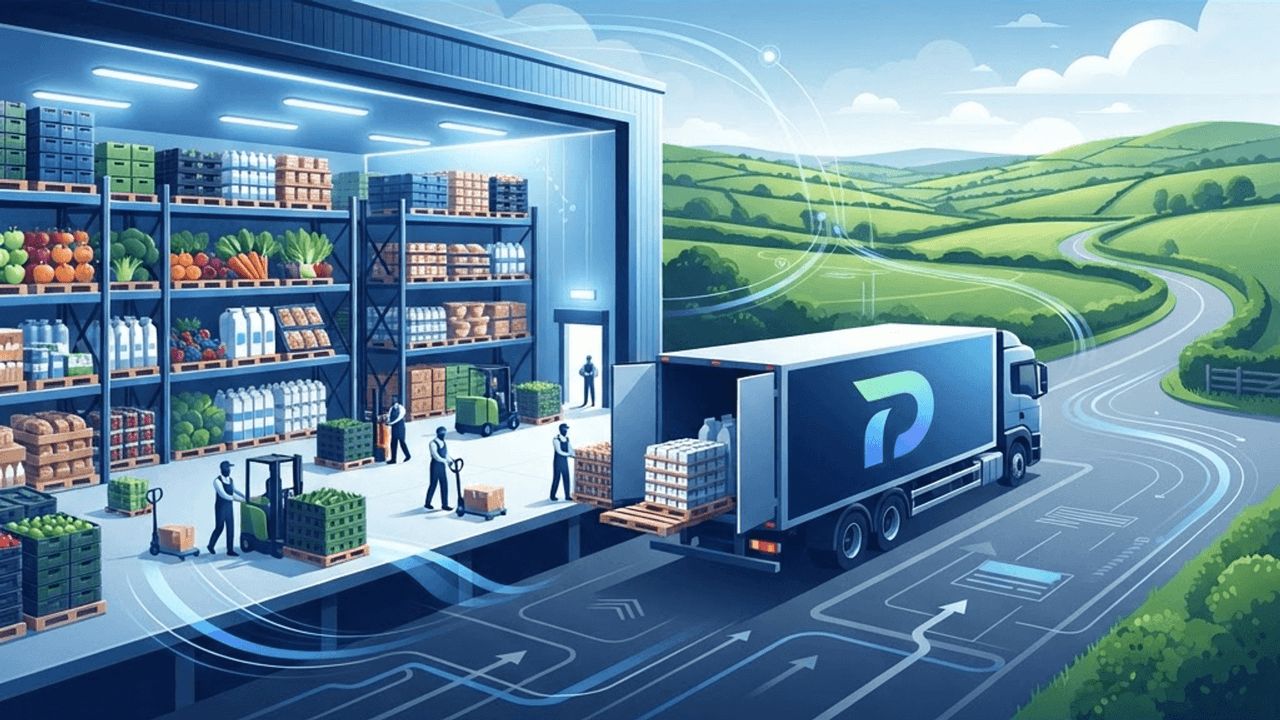
Feeding a District of Villages, Pubs and Institutions
South Staffordshire has a distinctive food service economy. Rather than a single dense town centre, it comprises a network of villages and small settlements such as Brewood, Codsall, Kinver, Perton, Wombourne and Penkridge, each supporting pubs, cafés, delicatessens and village shops. Add to that schools, care homes, farm shops and a steady flow of visitors to Cannock Chase and the canal network, and the result is a large number of relatively small food service customers spread over a wide rural area.
That geography shapes the wholesale market. Operators here need suppliers willing to make modest drops to dispersed locations reliably, rather than large deliveries to a handful of city sites. The wholesalers that have built strong local reputations are those that solved that logistical challenge well.
Food Safety Is the Foundation
Nothing matters more in food wholesale than safety and traceability. Suppliers must maintain hazard analysis and critical control point systems, demonstrate unbroken cold chain from depot to delivery, and provide full traceability on every batch. Third-party certification such as BRCGS or SALSA gives buyers independent assurance, and any wholesaler supplying schools or care settings will be expected to hold it.
Allergen management has become equally critical. Since Natasha's Law extended labelling requirements to food prepacked for direct sale, food businesses need accurate, current allergen information for every ingredient they buy. Wholesalers providing complete specification sheets make their customers' compliance obligations dramatically easier.
1. Bidfood
Bidfood is one of the largest food service wholesalers in Britain, supplying ambient, chilled and frozen products alongside catering equipment and disposables. Its regional depots serve the Midlands well, and its breadth allows a pub or care home to consolidate almost all its purchasing into a single supplier relationship.
2. Brakes
Brakes serves caterers of every size with a comprehensive range covering fresh produce, meat, frozen goods and dry stores. Its strength is delivery consistency across rural routes, which matters in a district where several customers may sit miles apart. Menu development support is offered to larger accounts.
3. Booker Wholesale
Booker combines cash and carry with delivered wholesale, serving independent retailers, caterers and small businesses. Its cash and carry model suits operators who need stock immediately, and its retail symbol group support helps village shops compete against multiple grocers with better buying terms and merchandising advice.
4. Country Range Group
Country Range operates as a buying group of independent wholesalers, combining national purchasing scale with genuinely local service and account management. That structure appeals strongly to independent operators across Staffordshire who want competitive pricing without losing the personal supplier relationship.
5. Aubrey Allen
A butcher and fine food supplier with a strong Midlands reputation, Aubrey Allen supplies premium meat, poultry and charcuterie to restaurants and hotels. Its emphasis on provenance, welfare standards and careful butchery makes it a preferred supplier for chefs where ingredient quality is the selling point.
6. Staffordshire Fresh Produce Merchants
Fresh produce wholesalers supplying fruit, vegetables, salads and herbs operate on extremely tight timescales, typically buying overnight and delivering in the early morning. Their ability to source seasonal British produce and respond to a chef's last-minute request defines their value.
7. Midland Dairy Distribution
Dairy wholesalers deliver milk, cream, butter, cheese and yoghurt to caterers, schools and shops across the district, frequently on daily routes. Cold chain integrity and early morning delivery windows are their operational priorities, and the relationships with local dairy farms give them genuine provenance stories.
8. Cannock Frozen Foods
Frozen food specialists supply everything from bakery and desserts to prepared vegetables and protein portions. Frozen products help operators manage waste and portion control, which has become increasingly important as food cost inflation has squeezed hospitality margins across the region.
9. Black Country Bakery Supplies
Bakery wholesalers supply bread, rolls, pastries, cakes and baking ingredients to cafés, pubs and retailers. Many combine their own production with distribution of specialist lines, allowing a village café to offer freshly delivered artisan bread without operating a bakery.
10. Wombourne Local Food Distributors
Local food distribution networks aggregate produce from Staffordshire farms, smokehouses, breweries and artisan producers, delivering to farm shops, delicatessens and restaurants. These operations have grown rapidly as consumer interest in local sourcing has strengthened, and they provide small producers with route to market they could not achieve alone.
Trends in Food Wholesale
Sustainability has become commercially significant rather than merely reputational. Operators are reducing packaging, switching to recyclable disposables, and asking suppliers about food miles and waste. Wholesalers offering returnable crates, consolidated deliveries and surplus redistribution schemes are gaining favour.
Menu economics have also changed buying behaviour. With ingredient costs volatile, operators increasingly buy on a cost-per-portion basis rather than by case price, and they value suppliers who can suggest substitutions when a line becomes expensive. Plant-based ranges continue to expand, though the market has matured from novelty towards genuinely well-formulated products.
Getting the Best From a Food Wholesaler
Agree delivery windows honestly. A pub kitchen that cannot receive a delivery before nine in the morning should say so rather than suffer repeated failed drops. Consolidate orders where possible, because fewer, fuller deliveries typically secure better pricing and reduce your carbon footprint.
Review your product list quarterly. Most food businesses accumulate lines they no longer use while missing better alternatives that have been introduced. Ask for a range review and a price file check, as wholesalers rarely volunteer that a cheaper equivalent exists. Finally, check invoices against delivery notes rigorously, since in a high-volume, low-margin business small discrepancies compound quickly into meaningful losses.
Want your brand featured in front of decision-makers? Publish a guest post or get a link insertion in our guides through AAMAX's guest post and link insertion service.
Helpful Links
 SponsoredAAMAX — Full-Service Digital Agency
Write for Us
Share your expertise with our readers. We welcome guest contributions from industry specialists.
Pitch your idea