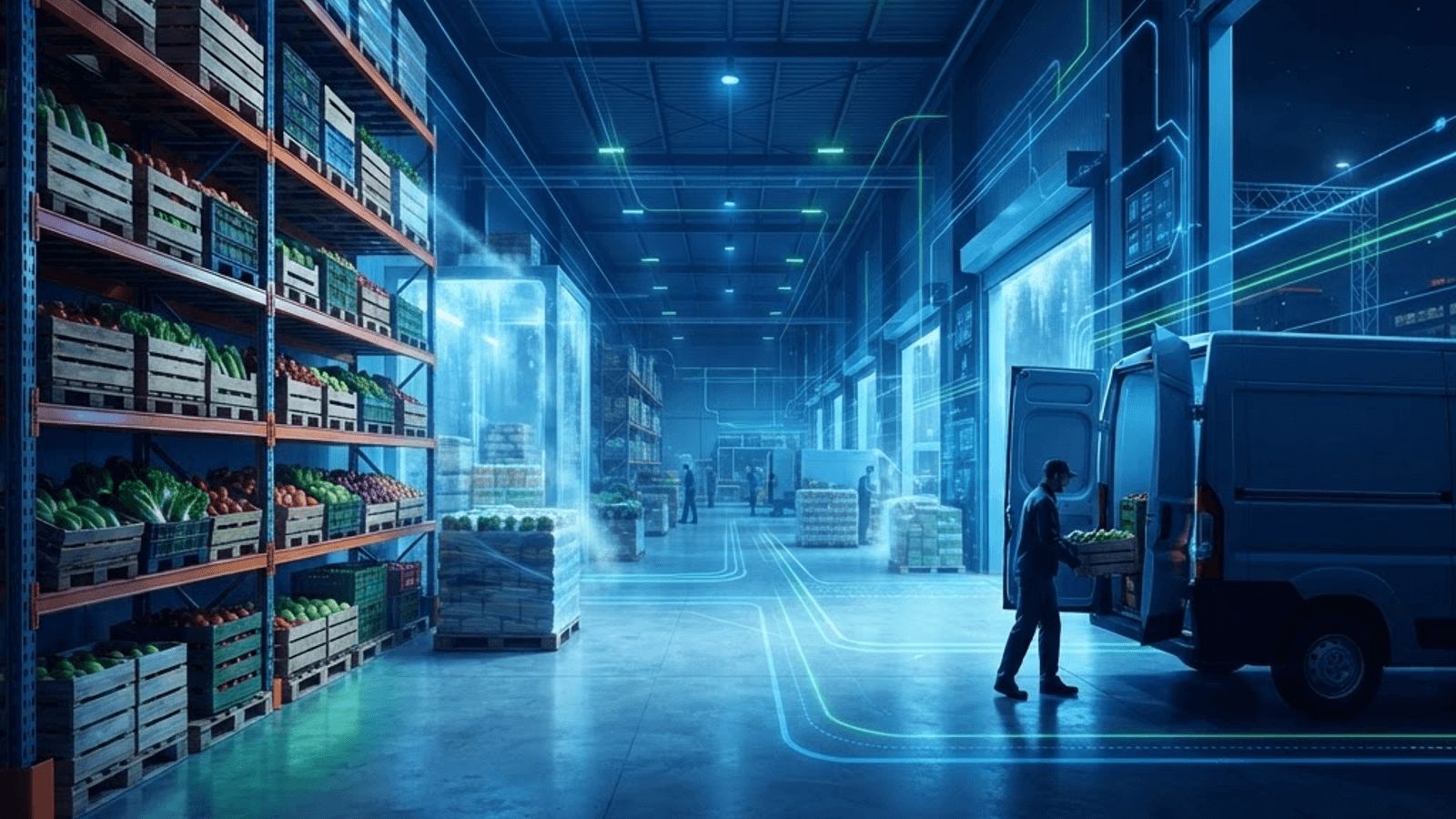
Feeding North Hertfordshire's Hospitality Sector
North Hertfordshire has a food economy shaped by two forces: productive arable and mixed farmland surrounding the towns, and a hospitality scene concentrated in Hitchin, Letchworth Garden City, Baldock and the surrounding villages. Between those two sits the wholesale trade — the businesses that move produce, meat, dairy, bakery, frozen and ambient goods from growers and manufacturers to the kitchens that use them.
The district's food service customers are varied. There are gastropubs sourcing seasonal ingredients, coffee shops needing daily bakery deliveries, school and care catering operations working to strict budgets and nutritional standards, event caterers with irregular demand, and farm shops and delis looking for speciality lines. Each places different demands on a wholesaler, and the best suppliers have learned to specialise rather than attempt everything.
Trends Reshaping Food Wholesale
Several shifts define the current market. Local sourcing has moved from marketing language to genuine purchasing behaviour, with menus naming farms and mills. Allergen management has become non-negotiable, and wholesalers must supply accurate, updated specification data for every line. Cost volatility in energy, feed, fertiliser and haulage has made price stability a competitive advantage, pushing some wholesalers toward fixed-term agreements with growers.
Sustainability pressures are visible in packaging reduction, returnable crate systems and route optimisation. Food waste reduction has also driven growth in short-dated and surplus stock channels, which some caterers use strategically to manage costs.
Technology adoption has accelerated. Online ordering with cut-off deadlines, live stock availability, invoice integration with kitchen management software and temperature-logged delivery records are now expected by professional buyers rather than treated as premium features.
Top 10 Best Food Wholesalers in North Hertfordshire
1. Hitchin Fresh Produce
A fruit and vegetable wholesaler supplying restaurants, pubs and schools with daily deliveries. Its buyers work markets early and supplement with direct grower relationships in the surrounding arable and horticultural areas, giving kitchens access to genuinely seasonal produce alongside year-round staples.
2. Letchworth Catering Supplies
A broadline wholesaler covering ambient, chilled and frozen categories in a single delivery. For smaller operators, consolidating orders with one supplier reduces administration and minimises delivery disruption during service, and Letchworth Catering Supplies has built its business around that convenience.
3. Baldock Butchery Wholesale
Supplying whole carcass, primal and portioned meat to trade customers, this wholesaler emphasises provenance and butchery skill. Chefs value the ability to order specific cuts and specifications rather than accepting standard portions, and full traceability documentation supports compliance requirements.
4. Garden City Bakery Distribution
Early-morning bakery delivery is a logistics discipline in its own right. Garden City Bakery Distribution supplies bread, viennoiserie, rolls and patisserie to cafes, hotels and retailers across the district, with dispatch schedules built around opening times rather than standard business hours.
5. North Herts Dairy Supply
Covering milk, cream, butter, cheese and yoghurt, this supplier serves both volume customers and speciality buyers. Its artisan cheese selection, including regional British producers, is a draw for delis and restaurants building cheeseboards with a local story.
6. Icknield Frozen Foods
Frozen distribution demands reliable cold chain management, and Icknield Frozen Foods invests accordingly with temperature-monitored vehicles and documented handover procedures. Its range spans prepared items, vegetables, proteins and desserts, supporting kitchens managing labour constraints.
7. Stotfold Beverage Wholesale
Supplying soft drinks, juices, coffee, tea and bar consumables to pubs, cafes and venues. Equipment support — including coffee machine servicing and dispense maintenance — differentiates this wholesaler from pure logistics operators and reduces downtime for its customers.
8. Ashwell Organic and Speciality Foods
Focusing on organic, free-from, vegan and speciality ranges, Ashwell Organic and Speciality Foods serves health food retailers, farm shops and progressive kitchens. Certification documentation and clear allergen data are central to its service, reflecting the compliance sensitivity of these categories.
9. Knebworth Farm Direct
A short-chain supplier connecting local growers and producers with buyers in the district. By aggregating output from several farms, it allows small producers to reach restaurant and retail customers who could not practically buy from each farm individually.
10. Hertfordshire Grain and Mill Supply
Serving bakeries, breweries and food manufacturers with flour, grains, pulses and milling products. With the surrounding countryside among the most productive arable land in England, this wholesaler benefits from genuinely local sourcing and can often trace flour to specific farms.
Choosing the Right Food Wholesaler
Price lists tell only part of the story. Delivery reliability is usually the decisive factor, because a missed drop before a busy Saturday service costs far more than a marginal price difference. Ask about substitution policy: does the wholesaler swap items without notice, and can you block substitutions on critical lines?
Food safety documentation is essential. Confirm the supplier holds appropriate third-party accreditation, maintains temperature records and can produce full specifications including allergen declarations within a reasonable timeframe. For any operator serving the public, that paperwork is a legal shield as much as an administrative task.
Consider order cut-off times and minimum order values against your actual ordering rhythm. A supplier with a low minimum and a late cut-off suits a small kitchen far better than one with excellent pricing but a pallet minimum.
The Local Advantage
North Hertfordshire caterers benefit from proximity to both farmland and major distribution routes. That combination allows kitchens to build menus combining genuinely local ingredients with reliable access to national and imported lines. Increasingly, operators run a hybrid model: a broadline wholesaler for staples plus two or three specialists for produce, meat and bakery where quality differences are most visible to customers.
Final Thoughts
Food wholesale is fundamentally a relationship business. Suppliers who understand your menu will flag price movements before they hit, suggest alternatives when supply tightens and occasionally save a service by making an unscheduled run. Building those relationships with two or three core wholesalers, while reviewing terms honestly each year, remains the most effective purchasing strategy for any kitchen in the district.
Want your brand featured in front of decision-makers? Publish a guest post or get a link insertion in our guides through AAMAX's guest post and link insertion service.
Helpful Links
 SponsoredAAMAX — Full-Service Digital Agency
Write for Us
Share your expertise with our readers. We welcome guest contributions from industry specialists.
Pitch your idea