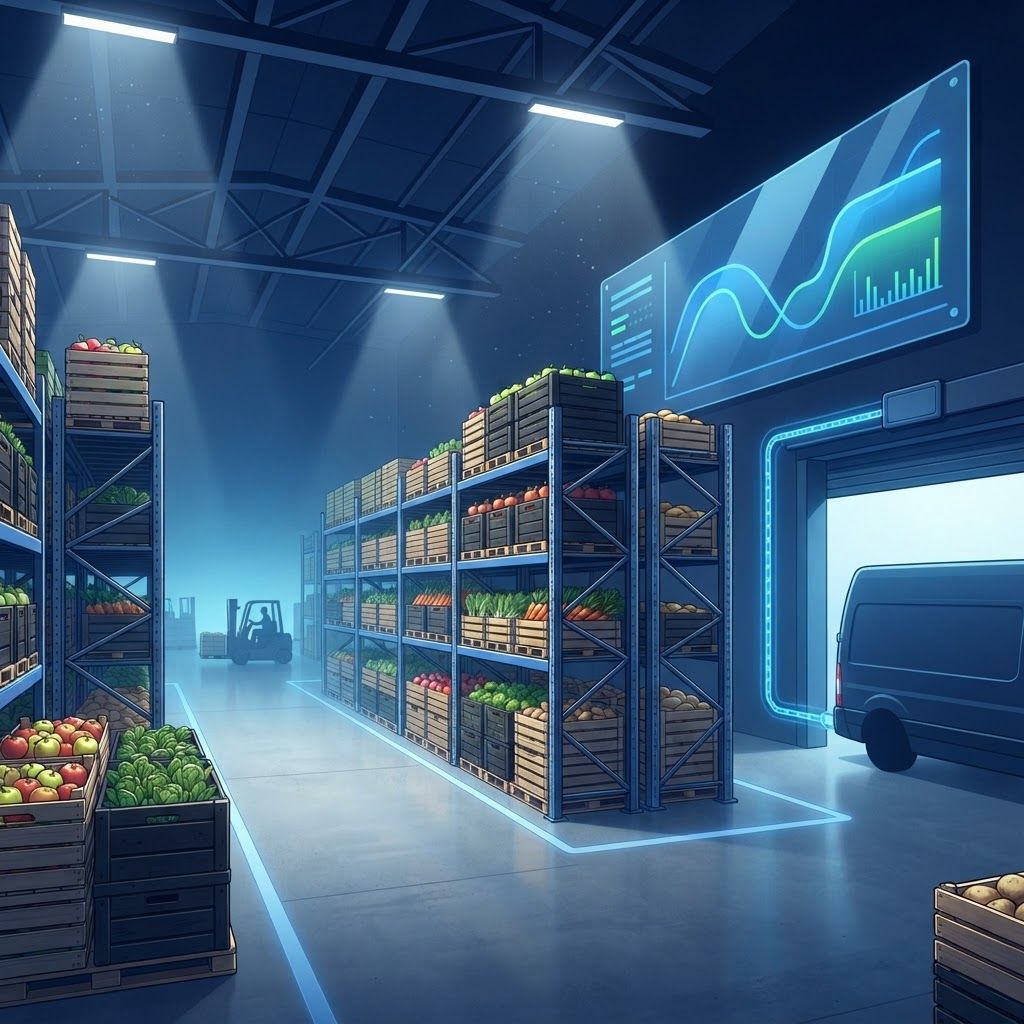
Feeding Kent From the Garden of England
Maidstone's food wholesale sector enjoys an advantage few English towns can match. Kent has been known as the Garden of England for centuries, and the countryside surrounding the county town produces apples, pears, cherries, soft fruit, hops, salad crops, vegetables and, increasingly, wine. That agricultural richness sits alongside excellent transport links, giving local wholesalers the ability to move genuinely fresh produce to restaurants, schools, care homes, farm shops and retailers across the South East within hours of harvest.
The customer base is correspondingly diverse. Independent restaurants and gastropubs want seasonal produce and provenance they can describe on a menu. Schools and care providers need consistent supply, allergen documentation and nutritional compliance. Convenience retailers need reliable ambient and chilled deliveries with small drop sizes. Event caterers need flexibility at short notice. Meeting these different requirements demands quite different operational models, which is why the local sector contains specialists rather than a single dominant supplier.
The Ten Leading Food Wholesalers
1. Maidstone Catering Supplies is the broadline wholesaler most independent caterers rely on, delivering ambient, chilled and frozen products alongside disposables and cleaning materials. Being able to consolidate a full order into one delivery saves kitchens considerable time and reduces the number of vehicle movements.
2. Kent Fresh Produce Wholesale works directly with growers across the county to supply fruit, vegetables and salad to restaurants, schools and retailers. Its buyers understand harvest timing intimately, which allows customers to plan seasonal menus around what will genuinely be at its best.
3. Medway Meat and Butchery Supplies provides fresh and prepared meat, poultry and charcuterie with butchery cut to customer specification. Full traceability and consistent portion control matter enormously to chefs managing food cost, and cutting to specification removes waste and preparation labour from the kitchen.
4. Invicta Fish and Seafood Distribution supplies fresh and frozen fish and shellfish, drawing on landings from the Kent coast alongside wider sourcing. Cold chain discipline and early morning delivery windows are essential in this category, and the company's reputation rests on both.
5. Weald Dairy and Chilled Distribution delivers milk, cream, butter, cheese and chilled goods, including a strong selection of Kentish artisan cheeses. Temperature-controlled delivery and reliable daily schedules make it a fixture for cafés, bakeries and hotels.
6. Maidstone Bakery Wholesale supplies bread, rolls, pastries, cakes and frozen bake-off products to caterers, coffee shops and retailers. Early delivery timings allow outlets to open with genuinely fresh product, and frozen bake-off lines give smaller sites flexibility without a full bakery operation.
7. Kentish Drinks and Beverage Wholesale distributes soft drinks, juices, coffee, tea, local ales and Kentish wines. The county's expanding vineyard sector has created real demand for knowledgeable local distribution that can support venues in presenting English wine credibly.
8. Bearsted Frozen Food Distribution specialises in frozen products including vegetables, prepared meals, desserts and ingredients for volume catering. Frozen supply helps operators manage waste and cost while maintaining consistent portion quality, which is particularly valuable for schools and care settings.
9. Loose Valley Wholefoods and Speciality Foods serves the growing demand for organic, plant-based, gluten-free, world cuisine and speciality ingredients. Independent retailers, health food shops and ambitious kitchens use it to access products that broadline wholesalers rarely carry in depth.
10. Boughton Farm Shop and Deli Supply aggregates products from small Kentish producers, including preserves, honey, charcuterie, baked goods and cider, supplying farm shops, delicatessens and hampers. Its role helps very small producers reach retail without building their own distribution.
Trends in Food Wholesale
Local sourcing has moved from marketing angle to genuine expectation. Diners increasingly want to know where food comes from, and public sector buyers often have local sourcing targets. Wholesalers who can name the farm behind a product hold a clear advantage in Kent, where the agricultural story is unusually strong.
Cost pressure has been the sector's dominant commercial reality. Ingredient inflation, energy costs and labour shortages have squeezed both wholesalers and their hospitality customers, driving interest in menu engineering support, yield advice, alternative product suggestions and honest forward pricing.
Dietary change continues to reshape ranges. Plant-based products, allergen-free lines and lower-sugar options have expanded well beyond niche demand, and wholesalers must now supply accurate allergen and nutritional data as a routine part of their service rather than on request.
Waste reduction is both an environmental and financial priority. Better forecasting, smaller and more frequent deliveries, redistribution of surplus and reduced packaging all feature in current practice, and refrigerated fleet efficiency has become a genuine operational focus.
Choosing a Food Wholesaler
Food safety credentials come first. Confirm that a supplier holds recognised food safety certification, maintains documented temperature control through the cold chain, operates traceability systems capable of supporting a product recall and provides accurate allergen information for every line. This is a legal requirement for your own business as much as good practice.
Assess delivery fit carefully. Delivery days, time windows, minimum order values, cut-off times for ordering and the flexibility to add an urgent item all determine how well a supplier suits your operation. A kitchen receiving deliveries during service will struggle regardless of product quality.
Evaluate product quality consistently rather than once. Trial a supplier over several weeks and monitor whether produce quality, portion accuracy and substitution rates hold up. Frequent substitutions disrupt menus and are a reliable indicator of weak supply relationships.
Discuss pricing structure openly, including price review frequency, contract lines, seasonal produce pricing and whether market-priced items are quoted in advance. Transparent suppliers help customers forecast food cost rather than surprising them on invoice.
Finally, value technical and menu support. The strongest wholesalers offer chef advice, seasonal product information, new line samples, allergen documentation systems and help with nutritional compliance for schools and care providers. That support frequently delivers more value than a marginally lower unit price.
A Sector Rooted in Its Region
Food wholesalers around Maidstone benefit from an enviable position at the centre of one of England's most productive agricultural regions, with excellent access to urban markets. For restaurants, schools, care homes, retailers and caterers across Kent, that means access to genuinely fresh, traceable, locally grown produce alongside the ambient and frozen range needed to run a professional kitchen, delivered by suppliers who understand both the seasons and the pressures of the food industry.
Want your brand featured in front of decision-makers? Publish a guest post or get a link insertion in our guides through AAMAX's guest post and link insertion service.
Helpful Links
 SponsoredAAMAX — Full-Service Digital Agency
Write for Us
Share your expertise with our readers. We welcome guest contributions from industry specialists.
Pitch your idea