Food Distribution as the Hidden Infrastructure of Hospitality
Every plate served in Highland begins several steps earlier, in a cold room, a dry warehouse or a delivery truck arriving before sunrise. Food wholesalers manage that invisible infrastructure, and their performance directly shapes menu costs, product consistency and food safety outcomes for restaurants, cafés, schools, care facilities and independent grocers.
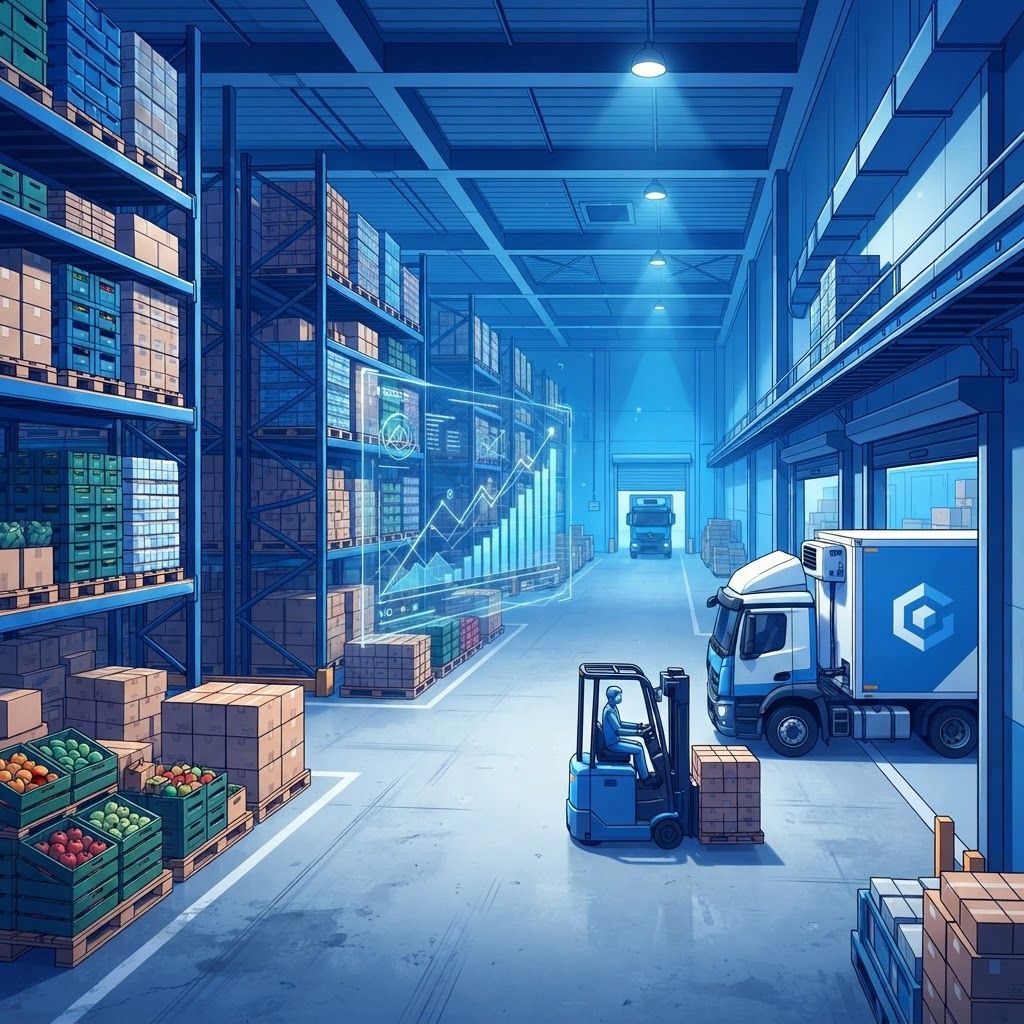
Unlike most wholesale categories, food distribution operates under strict temperature, traceability and shelf-life constraints. A late delivery is not merely inconvenient; it can mean discarded product or a menu item pulled mid-service. Highland's distributors have therefore built their operations around cold chain integrity, tight delivery windows and rapid substitution when supply gaps appear.
What Separates a Strong Food Wholesaler
Food safety systems come first. Documented HACCP-based controls, temperature monitoring, sanitation programs and traceability from receipt to delivery are non-negotiable. Second is delivery reliability, measured not by promises but by fill rate and on-time percentage over months.
Third is product knowledge. A distributor whose representatives understand yields, specifications and seasonal quality shifts helps chefs control costs far more effectively than a price list alone. Fourth is transparency in pricing, especially for commodity items that fluctuate weekly. Fifth is breadth versus specialization: broadline distributors simplify ordering, while specialists in produce, seafood, meat or ethnic ingredients deliver superior quality within their category. Most successful operators use a combination.
The Top 10 Food Wholesalers in Highland
1. Highland Broadline Foodservice
A full-range distributor covering frozen, refrigerated, dry goods, disposables and cleaning supplies. Its value is consolidation, allowing smaller kitchens to receive most of what they need in a single scheduled delivery, with online ordering and usage reporting to support cost control.
2. Meridian Fresh Produce Company
Meridian focuses exclusively on fruits and vegetables, with daily market buying and early morning delivery. Chefs value its willingness to discuss quality grades honestly and to flag when a seasonal item is not worth featuring that week.
3. Northgate Meat & Protein Purveyors
Specializing in beef, pork, poultry and custom cutting, Northgate offers portion control, specification consistency and traceable sourcing. In-house butchery lets restaurants order exact cuts and reduce trim waste in their own kitchens.
4. Coastline Seafood Distributors
Coastline supplies fresh and frozen seafood with careful attention to handling temperature and species documentation. Because seafood quality degrades quickly, its short delivery cycles and transparency about catch and freeze dates are central to its reputation.
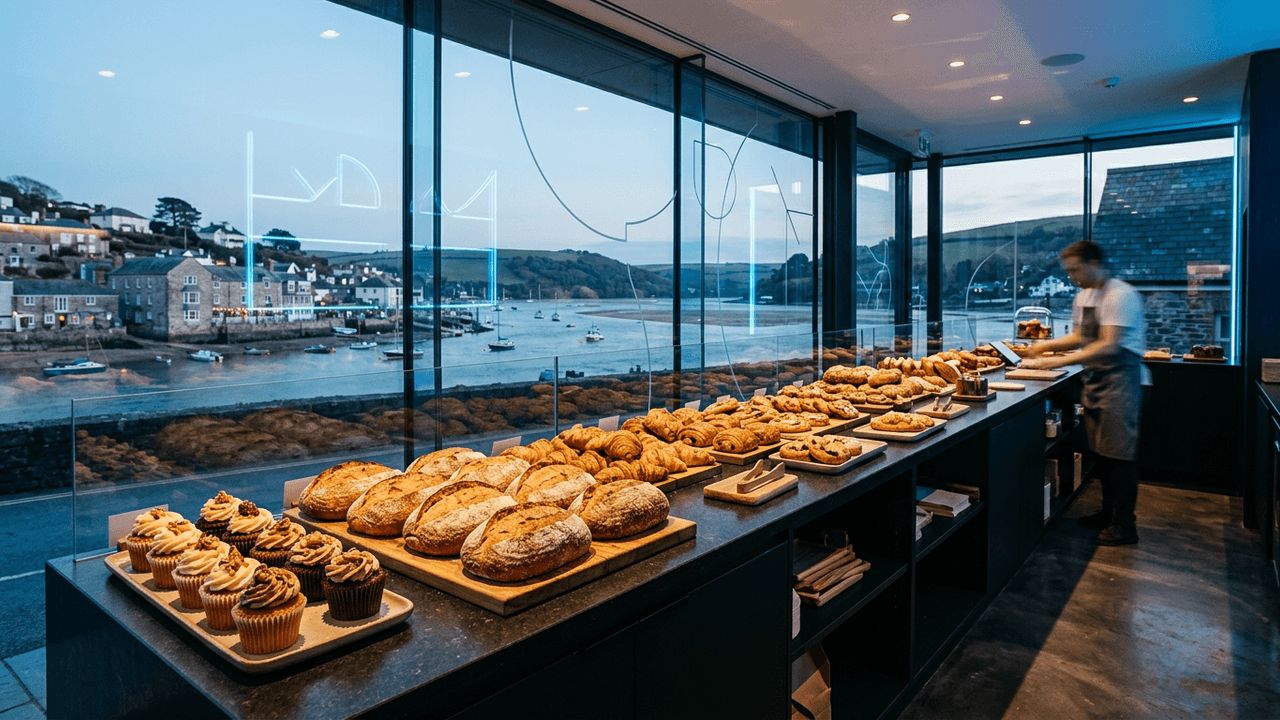
5. Highland Bakery & Pastry Supply
This distributor serves bakeries, cafés and dessert programs with flours, chocolate, dairy, fillings and finished frozen pastry. Technical support on formulation and scaling helps small bakeries maintain consistency as volumes grow.
6. Cedar Line Dairy & Cheese Wholesale
Cedar Line covers milk, cream, butter, eggs and a curated cheese selection spanning commodity and specialty tiers. Reliable cold chain management and flexible order frequency suit operations with limited refrigerated storage.
7. Summit Beverage & Coffee Supply
Summit distributes coffee, tea, syrups, juices and non-alcoholic beverages, often paired with equipment service and barista training. As beverage margins support many café business models, this combined product and knowledge offering is genuinely useful.
8. Bluefield International Foods
Bluefield imports and distributes global pantry ingredients, spices, sauces, noodles and specialty staples serving Highland's diverse restaurant scene. Its depth in authentic ingredients allows independent operators to cook without compromise.
9. Riverstone Organic & Natural Foods
Riverstone concentrates on organic, natural and allergen-conscious products with clear certification documentation. Growing consumer attention to ingredient quality has made this segment a mainstream requirement rather than a niche.
10. Highland Restaurant Supply & Disposables
Focused on packaging, takeout containers, gloves, sanitation chemicals and smallwares, this wholesaler supports the operational side of foodservice. Its expanding compostable and plastic-free range reflects both regulation and customer expectation.
Trends Reshaping Food Wholesale
Cost pressure dominates operator conversations, driving interest in yield management, cross-utilization of ingredients and menu engineering support from distributors. Traceability requirements continue to tighten, pushing wholesalers toward lot-level record keeping that can support rapid recall response.
Local sourcing has become a meaningful differentiator, with distributors aggregating regional farm production to give restaurants seasonal stories customers actually value. Technology adoption is accelerating too, with digital ordering, order-guide analytics and delivery tracking now expected. Finally, sustainable packaging and food waste reduction programs, including donation logistics and better forecasting, have moved from goodwill projects into operational planning.
Building a Resilient Supply Strategy
Use a primary broadline distributor for breadth and specialists for categories where quality is visible on the plate. Track fill rates and delivery accuracy yourself rather than relying on supplier reports. Standardize specifications in writing so substitutions do not silently change your product. Review pricing on your top twenty items regularly, since a small number of ingredients usually drives most of your food cost.
Maintain a backup source for critical items, and build enough relationship goodwill that when supply tightens, your order is prioritized. Above all, verify temperature on arrival and reject product that fails; suppliers respect operators who check.
Final Thoughts
Highland's food wholesalers cover broadline distribution, produce, meat, seafood, bakery, dairy, beverage, international ingredients, organics and disposables. The strongest kitchens combine two or three complementary suppliers, hold them to measurable standards and treat them as partners in cost and quality control. Done well, food sourcing stops being a daily scramble and becomes a competitive advantage.
Want your brand featured in front of decision-makers? Publish a guest post or get a link insertion in our guides through AAMAX's guest post and link insertion service.
Helpful Links
 SponsoredAAMAX — Full-Service Digital Agency
Write for Us
Share your expertise with our readers. We welcome guest contributions from industry specialists.
Pitch your idea