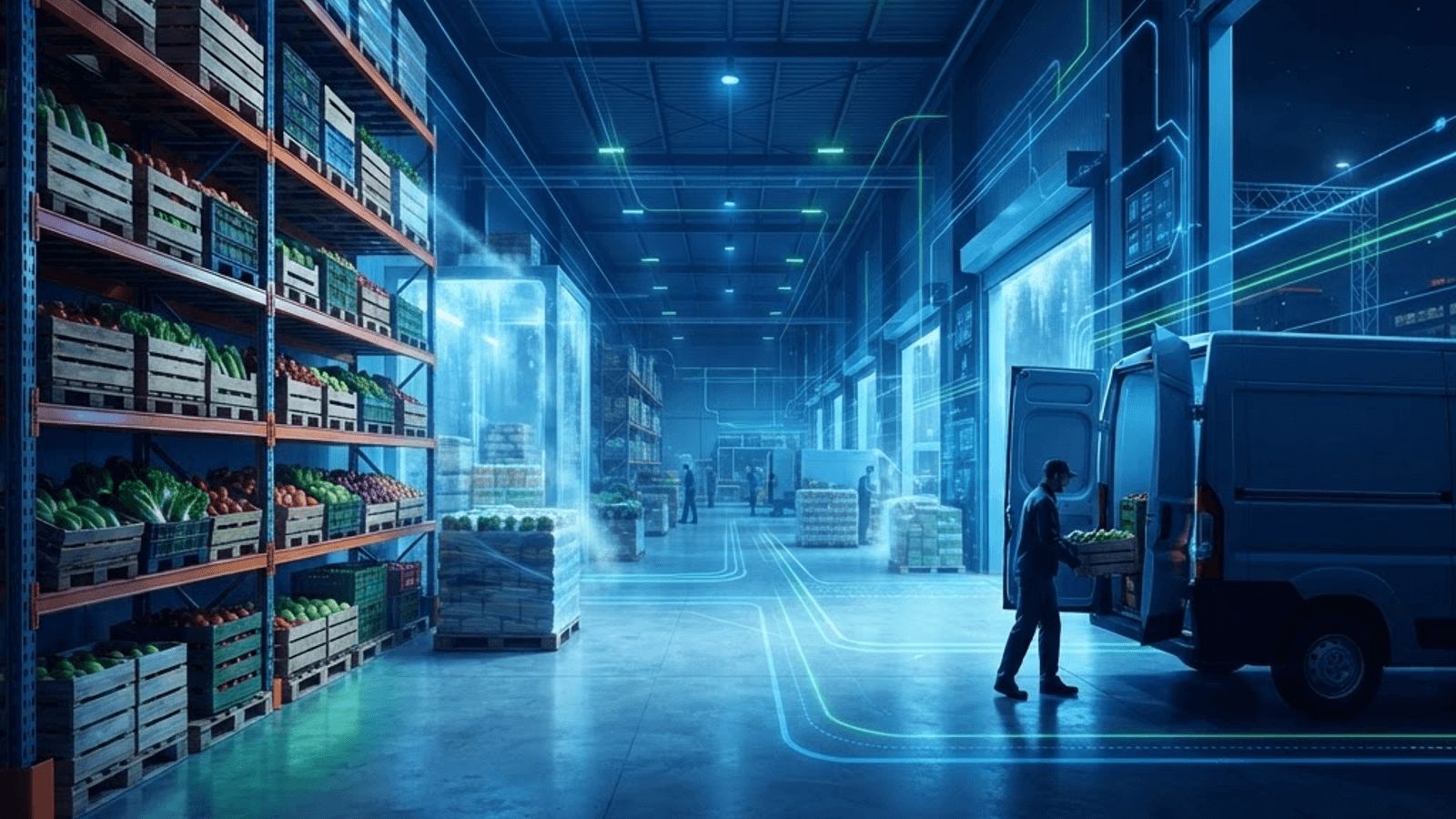
Feeding Gloucestershire: The Role of Food Wholesale
Every pub kitchen in the Quays, every school canteen in Quedgeley and every independent deli on Westgate Street depends on a food wholesale network that most diners never see. Gloucester's position in a rich agricultural county gives it an unusual advantage: the city is surrounded by dairy farms, orchards, market gardens and livestock producers, and several wholesalers have built their businesses on that proximity.
The sector spans very different operating models. Full-line catering wholesalers stock thousands of ambient, chilled and frozen lines under one roof. Specialists concentrate on a single category such as meat, fish, bakery or fresh produce, offering depth and expertise that generalists cannot match. Cash and carry operations serve smaller buyers who prefer to collect. Increasingly, hybrid suppliers combine delivered wholesale with online ordering and next-day fulfilment.
Leading Food Wholesalers Serving Gloucester
Severn Vale Fresh Produce supplies fruit, vegetables and salads to restaurants and schools, working closely with Gloucestershire growers to keep seasonal lines genuinely local.
Gloucester Catering Supplies operates as a full-line wholesaler covering ambient groceries, frozen goods, chilled products and disposables, with scheduled delivery routes across the county.
Cotswold Meat Company focuses on butchery for the trade, offering traceable British beef, lamb and pork with bespoke cutting specifications for individual kitchens.
Quays Seafood Wholesale brings in daily-landed fish and shellfish, filleting to order and serving both restaurants and fishmongers with short chain-of-custody documentation.
Barnwood Bakery Distribution delivers breads, rolls, pastries and morning goods on early routes, supporting cafes, hotels and sandwich businesses that need product before opening.
Severnside Dairy Supplies handles milk, cream, butter, cheese and yoghurt, drawing on the county's strong dairy heritage including local artisan cheesemakers.
Hempsted Frozen Foods specialises in frozen catering lines, from vegetables and desserts to prepared components that help kitchens manage labour costs.
Westgate Fine Foods curates speciality and deli products, including charcuterie, preserves, oils and premium store-cupboard items for farm shops and independent grocers.
Vale Beverage Wholesale covers soft drinks, juices, coffee, tea and local brewery products, with dispense equipment support for pubs and cafes.
Quedgeley Cash and Carry serves smaller operators, takeaways and convenience retailers with flexible collection, no minimum order and extended trading hours.
Food Safety and Compliance
Food wholesale carries heavy regulatory responsibility. Suppliers must operate HACCP-based food safety management systems, maintain full cold chain integrity and provide traceability back to source. Buyers should check for third-party accreditation such as BRCGS or SALSA, and confirm that local authority food hygiene ratings are strong.
Allergen management deserves special scrutiny. Since the introduction of stricter labelling requirements, caterers rely on accurate allergen data from their suppliers to meet their own legal obligations. A wholesaler providing complete, up-to-date allergen and ingredient specifications digitally saves kitchens enormous administrative effort and reduces genuine risk to customers.
Temperature-controlled delivery is equally critical. Ask about vehicle refrigeration monitoring, data logging and what happens if a delivery arrives outside specification. Professional wholesalers have clear procedures and will not pressure a kitchen to accept borderline stock.
Local Sourcing and the Gloucestershire Advantage
Menus across the county increasingly name their producers, and that trend has real commercial weight. Gloucester wholesalers who can supply Gloucestershire beef, Severn-caught fish, local cheese and seasonal Vale of Evesham produce give chefs a genuine story to tell. Shorter supply chains also mean fresher product and lower transport emissions.
Seasonality is part of the same conversation. Building menus around what is abundant locally reduces cost and improves quality, and the better wholesalers actively advise chefs on what is peaking each month rather than simply processing orders.
Managing Cost Pressure
Food inflation has been a persistent challenge for hospitality operators. Wholesalers help mitigate it in several ways: fixed-price agreements on core lines, promotional buying on surplus stock, own-label alternatives to branded products, and menu engineering advice that steers kitchens towards ingredients with better margin performance.
Waste reduction is equally powerful. Right-sizing pack formats, ordering more frequently in smaller quantities and using forecasting tools all cut the amount of food thrown away. A wholesaler willing to break cases or adjust delivery frequency is effectively helping protect your gross profit.
Choosing the Right Supplier Mix
Most successful kitchens use a blend rather than a single supplier. A full-line wholesaler covers the bulk of ambient and frozen requirements efficiently, while specialists handle meat, fish and produce where quality differences are most visible on the plate. A cash and carry account provides a safety net for last-minute gaps.
When evaluating suppliers, weigh delivery reliability heavily. A missed drop before a busy service causes more damage than a small price difference ever saves. Ask about order cut-off times, substitution policy, credit process for shortages and who you actually speak to when something goes wrong.
Technology in Food Distribution
Online ordering platforms with live pricing, order history and allergen data have become standard expectations. Route optimisation software has improved delivery windows, and some wholesalers now provide electronic proof of delivery with temperature records attached. For multi-site operators, integration with stock and recipe management systems delivers meaningful time savings.
Final Thoughts
Gloucester benefits from a food wholesale sector that is both broad and closely connected to the surrounding farmland. Whether you run a pub, a school kitchen, a cafe or a farm shop, the key is matching supplier type to requirement and insisting on rigorous food safety, transparent allergen data and dependable delivery. Get that mix right and your supply chain becomes an asset rather than a daily worry.
Want your brand featured in front of decision-makers? Publish a guest post or get a link insertion in our guides through AAMAX's guest post and link insertion service.
Helpful Links
 SponsoredAAMAX — Full-Service Digital Agency
Write for Us
Share your expertise with our readers. We welcome guest contributions from industry specialists.
Pitch your idea