Feeding the Borough: Food Wholesale in Gedling
Every restaurant meal, school lunch, care home dinner and corner shop sandwich depends on a food wholesale network that most people never see. In Gedling, that network includes fresh produce merchants, butchers and meat suppliers, catering distributors, frozen food specialists, bakery suppliers and beverage wholesalers, together serving hundreds of food businesses across the borough and the wider Nottingham area.
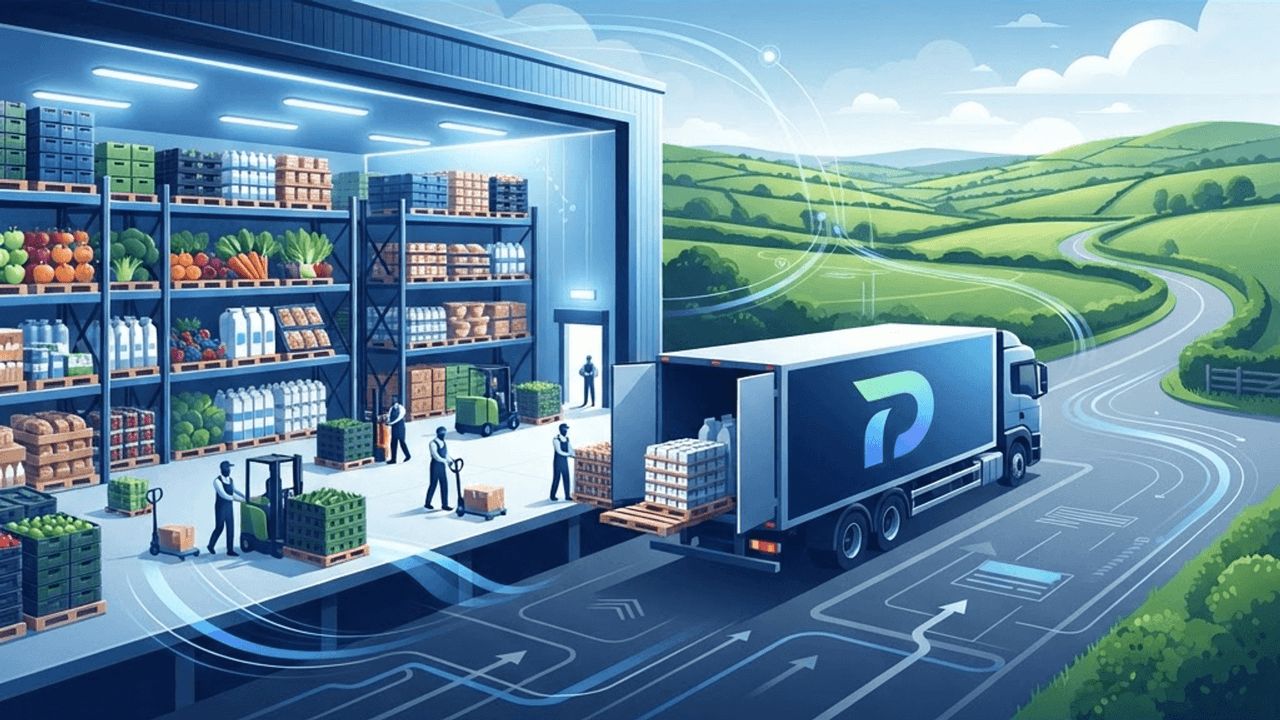
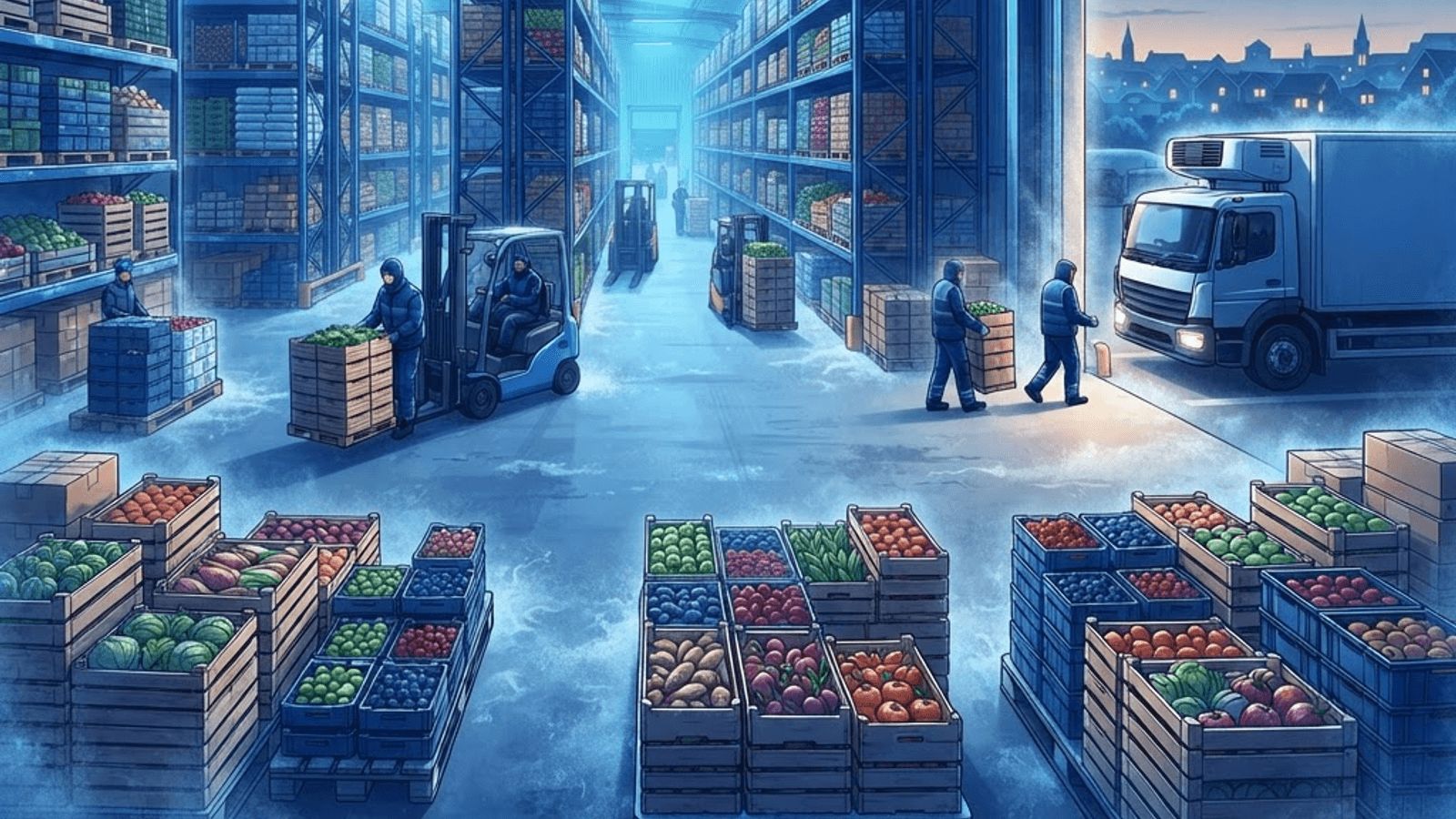
Gedling's location is genuinely useful here. Surrounded by Nottinghamshire and Lincolnshire farmland, it sits close to some of the country's most productive horticultural and arable land, while its road links make onward distribution into Nottingham, Mansfield and beyond straightforward. Cold storage and distribution facilities at Colwick and neighbouring industrial areas support the chilled and frozen supply chain.
Types of Food Wholesaler
Full-line catering distributors carry thousands of ambient, chilled and frozen lines and act as a one-stop supplier for restaurants and caterers. Fresh produce wholesalers specialise in fruit and vegetables with daily deliveries. Meat and poultry suppliers provide butchery, portion control and specification cutting. Fish and seafood merchants operate on tight freshness windows with early morning deliveries. Bakery and dairy distributors handle short shelf-life products requiring frequent replenishment. Beverage wholesalers supply soft drinks, beers, wines and spirits. Speciality and ethnic food importers serve restaurants needing authentic regional ingredients. Finally, cash and carry operators allow smaller businesses to buy flexibly without minimum order commitments.
The Top 10 Food Wholesalers Serving Gedling
1. Gedling Catering Supplies
A full-line distributor carrying ambient, chilled and frozen products alongside disposables and cleaning chemicals, offering scheduled deliveries and online ordering for restaurants and caterers.
2. Colwick Fresh Produce
Supplies fruit, vegetables and salads sourced from regional growers where seasonality allows, with early morning deliveries and prepared vegetable options for kitchens short on prep time.
3. Netherfield Meat Wholesale
A butchery-led supplier providing beef, lamb, pork and poultry cut to customer specification, with full traceability documentation and consistent portion control.
4. Arnold Frozen Foods
Distributes frozen meat, fish, vegetables, desserts and ready prepared items, with temperature-monitored vehicles and reliable cold chain documentation.
5. Carlton Bakery Distribution
Supplies bread, rolls, pastries and morning goods to cafes, sandwich shops and convenience stores, typically with very early delivery windows to match service times.
6. Mapperley Dairy Supplies
Delivers milk, cream, butter, cheese and yoghurt to hospitality and retail customers, including artisan and regional cheeses alongside commodity lines.
7. Burton Joyce Beverage Wholesale
Carries soft drinks, juices, coffee, tea, beers, wines and spirits, and supports licensed venues with drinks list development and dispense equipment.
8. Lambley Speciality Foods
Imports and distributes Mediterranean, Asian and other regional ingredients, oils, spices and store cupboard items for restaurants requiring authentic products.
9. Ravenshead Seafood
A fish merchant supplying fresh and frozen seafood with daily market buying, filleting and portioning services, and sustainability certification where available.
10. Gedling Cash and Carry
A trade wholesale warehouse allowing small businesses to buy in flexible quantities without minimum orders, valuable for independents managing tight cash flow.
Food Safety and Compliance
Food wholesale is tightly regulated, and buyers share responsibility for the safety of what they serve. Suppliers must operate documented HACCP-based food safety management systems, maintain temperature control throughout the cold chain and provide full traceability so that any product can be traced backwards to source and forwards to customer.
Allergen information is a legal requirement and a serious risk area. Suppliers must provide accurate allergen data for every product, and any change in formulation must be communicated. Food businesses relying on supplier information should keep records of the specifications they were given.
Third-party certification such as BRCGS or SALSA provides independent assurance of a supplier's standards, and many caterers make it a prerequisite. Local authority food hygiene ratings offer another public indicator.
For chilled and frozen deliveries, check temperature on arrival and record it. This simple discipline protects both food safety and your position if a dispute arises.
Trends in Food Wholesale
Local and traceable sourcing continues to grow as menus increasingly name their suppliers and diners ask where food comes from. Wholesalers who can document provenance and connect kitchens with named regional producers hold a real advantage.
Plant-based and free-from ranges have expanded from niche to necessity, with most caterers requiring credible vegan, gluten-free and dairy-free options as standard.
Cost pressure has been intense, driven by energy, labour and commodity inflation. In response, wholesalers have expanded own-label ranges, offered menu costing support and promoted yield-efficient products that reduce kitchen waste.
Waste reduction has become a shared priority, with better forecasting, smaller more frequent deliveries, redistribution of surplus and packaging reduction all receiving serious attention.
Choosing a Food Wholesaler
Match delivery patterns to your operation. A restaurant needing daily fresh produce has very different requirements from a manufacturer ordering pallets monthly. Confirm delivery days, cut-off times and how substitutions are handled when items are unavailable.
Test product quality before switching. Request samples of the specific lines you use most, and evaluate them in your own kitchen under normal service conditions.
Compare total cost rather than list price. Delivery charges, minimum order values, pack sizes that do not match your usage, and yield differences between products can outweigh headline savings.
Maintain a secondary supplier. Single sourcing is efficient until a vehicle breaks down or a product is unavailable. A relationship with an alternative supplier, even a small one, protects service continuity.
Conclusion
Gedling's food wholesalers offer local hospitality and retail businesses genuine depth of choice, from full-line catering distribution to specialist seafood and imported ingredients. Choosing partners with strong food safety systems, dependable logistics and useful commercial support does more to protect a food business than any individual price negotiation.
Want your brand featured in front of decision-makers? Publish a guest post or get a link insertion in our guides through AAMAX's guest post and link insertion service.
Helpful Links
 SponsoredAAMAX — Full-Service Digital Agency
Write for Us
Share your expertise with our readers. We welcome guest contributions from industry specialists.
Pitch your idea