Feeding a Regional Hub
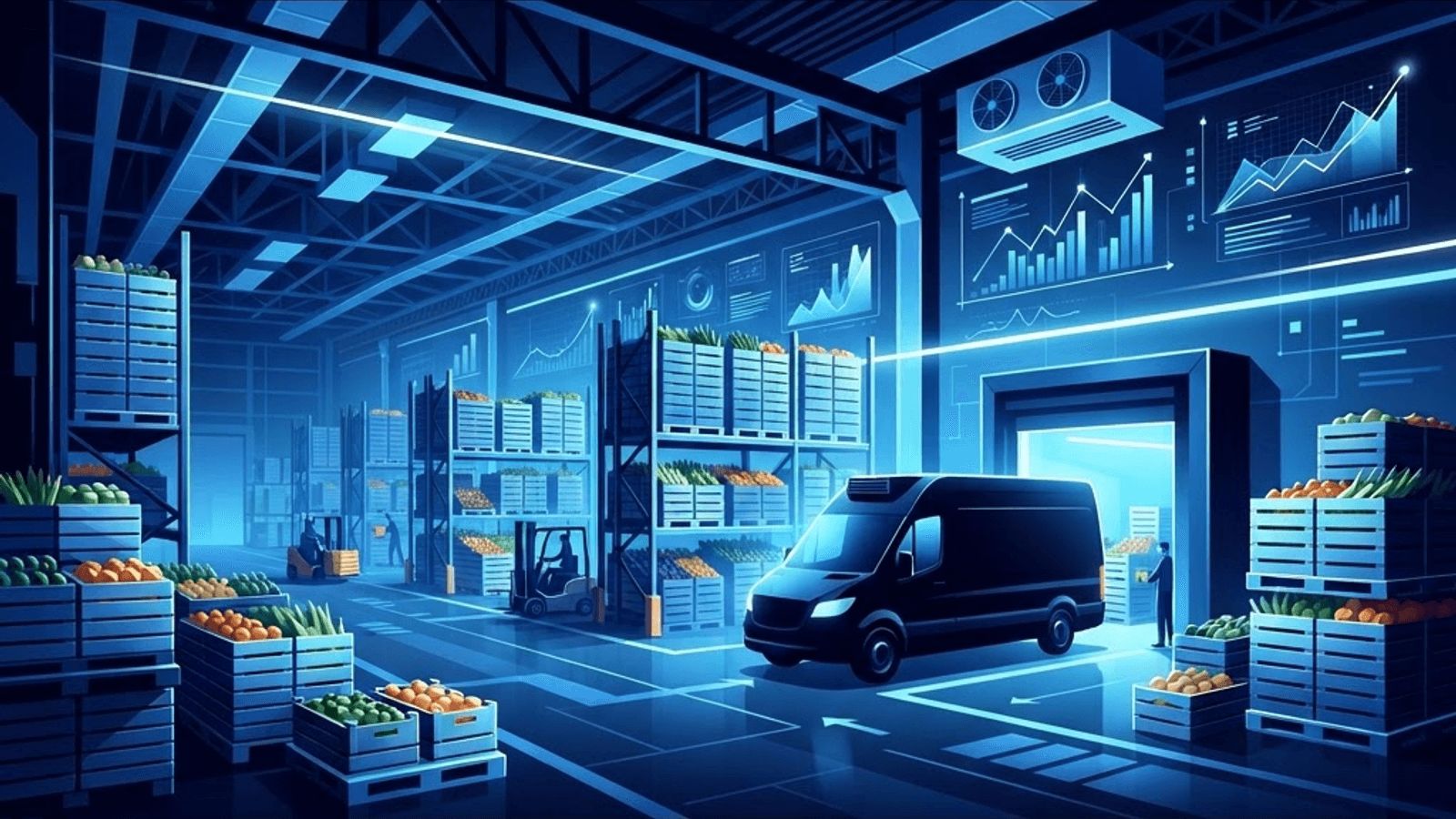
Exeter's hospitality sector is substantial. The city centre supports a dense concentration of restaurants, cafés and pubs, the university brings tens of thousands of students and their catering requirements, the Royal Devon hospital operates large-scale feeding operations, and tourism across Devon creates enormous seasonal demand throughout the summer months. Behind all of it sits a food wholesale network that must deliver reliably, safely and often daily.
The region's advantage is proximity to outstanding primary production. Devon's dairy farms, beef and lamb producers, market gardens, fishing fleets at Brixham and Plymouth, artisan bakeries, cider makers and craft brewers all supply into the local wholesale chain. Few UK cities can source such a high proportion of their food from within an hour's drive, and Exeter wholesalers have built genuine competitive advantage around this.
How the Sector Works
Broadline catering wholesale supplies the full range of ambient, chilled and frozen products in one delivery, which suits operators who value simplicity. Fresh produce wholesale operates on much shorter cycles, often with overnight ordering and early morning delivery. Meat and fish wholesale requires specialised cold chain handling and strict traceability. Specialist suppliers cover bakery, dairy, drinks, coffee and world foods. Cash and carry operations serve smaller businesses who prefer to collect and pay immediately.
Food safety governs everything. Wholesalers must operate HACCP-based systems, maintain unbroken cold chains, provide full traceability back to producer, and manage allergen information rigorously. Natasha's Law and subsequent allergen requirements have made accurate ingredient data a legal necessity rather than a courtesy, and good wholesalers supply detailed specification sheets for every product.
Several trends are notable. Plant-based ranges have expanded from a token listing to a substantial category. Provenance sells, with menus increasingly naming the Devon farm or fishing port behind a dish. Waste reduction has become a shared priority, driving smaller and more frequent deliveries. And cost volatility has pushed operators towards suppliers who offer price transparency and menu engineering advice.
The Leading Food Wholesalers Serving Exeter
1. Devon Catering Supplies operates as a full broadline wholesaler covering frozen, chilled and ambient lines with regular scheduled deliveries across the county. Its breadth allows operators to consolidate ordering, and its account managers help with menu costing and product substitution when supply tightens.
2. Exeter Fresh Produce Market supplies fruit, vegetables, salads and herbs to restaurants, hotels and caterers with early morning delivery. Its relationships with Devon growers mean genuinely seasonal local produce appears on menus, and quality grading is consistent enough that chefs trust orders placed without inspection.
3. Westcountry Meat Wholesale supplies beef, lamb, pork and poultry with full farm-level traceability, much of it sourced from Devon and Somerset farms. Its butchery service cuts to chef specification, which improves yield control and portion consistency in busy kitchens.
4. Sowton Frozen Foods distributes frozen products including vegetables, prepared items, desserts and ice cream. Reliable cold chain management and flexible delivery scheduling serve pubs, schools and care homes across the region dependably.
5. Marsh Barton Seafood Suppliers brings fish and shellfish from Brixham, Plymouth and local day boats to Exeter kitchens. Freshness and species availability change daily with the catch, and the firm's morning communication about what has landed helps chefs plan specials intelligently.
6. Exe Valley Dairy Distribution supplies milk, cream, butter, cheese and yoghurt from Devon dairies. The region's dairy reputation is well earned, and access to genuinely local cream and artisan cheeses gives Exeter kitchens a real menu advantage.
7. Clyst Bakery Wholesale delivers bread, rolls, pastries and morning goods to cafés, hotels and retailers, with early deliveries timed for breakfast service. Its part-baked and frozen dough options give operators flexibility to bake to demand and reduce waste.
8. Topsham Drinks and Beverage Wholesale supplies soft drinks, juices, coffee, tea and licensed beverages including Devon ciders and craft beers. Its equipment support, particularly for coffee machines and dispense systems, adds practical value beyond product supply.
9. Alphington Cash and Carry offers a collect-and-pay format for smaller operators, takeaways and independent retailers. Immediate availability without minimum order values suits businesses with unpredictable demand and tight cash flow.
10. Airport Park Speciality and World Foods distributes ingredients for Asian, Mediterranean, Middle Eastern and other international cuisines. Exeter's diverse restaurant scene relies on this supplier for authentic ingredients that broadline wholesalers do not stock.
Building a Reliable Catering Supply Chain
Verify food safety credentials first. Ask about HACCP systems, third-party audit certification, temperature monitoring during transport and traceability procedures. As a food business, your own due diligence obligations extend to your suppliers.
Insist on complete allergen and specification data. You need accurate ingredient declarations for every product, ideally in a digital format you can integrate with your menu documentation. Suppliers unable to provide this create legal exposure for you.
Do not choose on price alone. Late deliveries, short-shipped orders and inconsistent quality cost far more than a slightly higher unit price. Evaluate service reliability over several weeks before switching significant volume.
Use multiple suppliers strategically. Depending entirely on one wholesaler is risky. Many Exeter operators combine a broadline supplier with specialist fresh produce, meat and bakery partners, which improves both quality and resilience.
Plan for seasonality. Devon's summer tourist influx transforms demand. Discuss peak requirements with suppliers well in advance so capacity is reserved rather than assumed.
Finally, work on waste together. More frequent, smaller deliveries, accurate forecasting and suppliers who accept realistic order quantities all reduce waste and protect margin.
The Outlook
Exeter's food wholesale sector benefits from exceptional regional production, strong hospitality demand and growing consumer interest in local provenance. Technology is improving ordering accuracy and stock visibility, while sustainability pressures continue to favour shorter supply chains. For food businesses across Devon, the combination of quality local sourcing and responsive wholesale distribution available here is a genuine commercial advantage.
Want your brand featured in front of decision-makers? Publish a guest post or get a link insertion in our guides through AAMAX's guest post and link insertion service.
Helpful Links
 SponsoredAAMAX — Full-Service Digital Agency
Write for Us
Share your expertise with our readers. We welcome guest contributions from industry specialists.
Pitch your idea