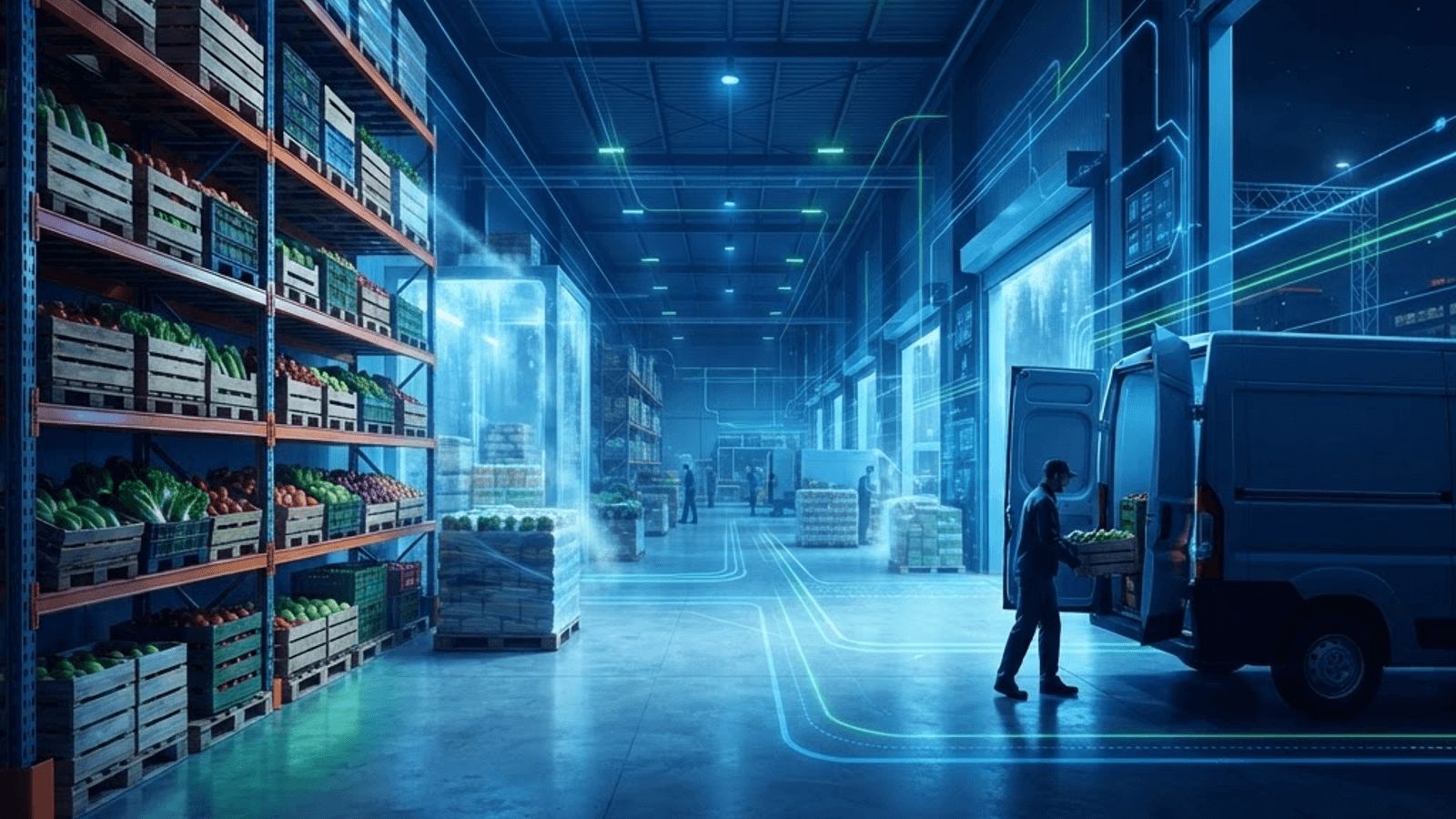
Food Wholesale in the Epping Forest District
Every restaurant, cafe, pub, school kitchen, care home and independent food shop across Epping Forest depends on wholesale supply. The district sits in a favourable position for this trade, close to the historic wholesale markets of London, surrounded by Essex farmland, and connected by the M11 and M25 to national distribution networks.
Local food wholesalers operate from cold stores and warehouses around Waltham Abbey, the Lee Valley corridor, North Weald and Ongar. Some are broad-range suppliers delivering everything a kitchen needs on a single vehicle. Others specialise deeply in produce, meat, fish, bakery or speciality ingredients, and many caterers use a combination of both.
Categories of Food Wholesale Supply
Fresh produce wholesalers handle fruit and vegetables, often buying daily and delivering overnight to preserve quality. Their operations are seasonal, price-volatile and highly dependent on efficient cold chain management.
Butchery and meat wholesale supplies fresh and frozen meat, frequently offering bespoke cutting to a chef's specification. Fish and seafood wholesale works on similarly tight timescales, with quality declining rapidly outside strict temperature control.
Ambient and dry goods distribution covers store cupboard items, canned products, oils, flour and packaged ingredients, with longer shelf lives allowing less frequent delivery. Dairy and chilled distribution supplies milk, cheese, yoghurt and prepared chilled items. Catering supplies extend beyond food into disposables, cleaning chemicals, packaging and equipment.
Ten Food Wholesalers Serving the District
1. Forest Fresh Produce supplies fruit and vegetables to restaurants, schools and independent greengrocers, buying daily and delivering overnight with strong relationships among Essex growers.
2. Abbey Meat Wholesale provides fresh and frozen meat with in-house butchery, offering bespoke cutting, portion control and full traceability documentation for catering clients.
3. Lee Valley Catering Supplies operates as a broad-range supplier covering ambient, chilled and frozen goods alongside disposables and cleaning products on a single delivery.
4. Epping Dairy Distribution delivers milk, cream, butter, cheese and chilled products to cafes, schools and care homes, with early-morning delivery schedules suited to breakfast service.
5. North Weald Frozen Foods supplies frozen ingredients, prepared products and ice cream, operating temperature-controlled storage and distribution across the region.
6. Roding Bakery Supplies provides flour, bakery ingredients, fillings and part-baked products to bakeries, cafes and catering kitchens, with technical support on recipe development.
7. Chigwell Speciality Foods distributes fine foods, continental ingredients and premium products to delicatessens, restaurants and independent retailers seeking distinctive lines.
8. Theydon Organic Wholesale focuses on organic and certified produce, dry goods and dairy, serving health food shops, schools and caterers with sustainability commitments.
9. Waltham Beverage Distribution supplies soft drinks, juices, coffee, tea and licensed products to pubs, cafes and hospitality venues, including dispense equipment support.
10. Ongar Farm Direct connects local Essex producers with restaurants and retailers, aggregating supply from smaller farms that could not distribute individually.
Food Safety and Compliance
Food wholesale operates under strict regulatory requirements. Businesses must be registered with local authorities and subject to inspection. Hazard analysis systems must be documented and followed, covering receipt, storage, handling and delivery. Temperature control is monitored and recorded throughout the cold chain, with records retained for audit.
Traceability is a legal requirement, meaning wholesalers must be able to identify the immediate source and destination of every product. In the event of a recall, this allows affected stock to be located quickly. Allergen information must be accurate and available, and errors here carry severe consequences.
For caterers, choosing a supplier with robust systems is not just prudent but part of their own due diligence obligation. Requesting evidence of food safety accreditation and audit results is entirely reasonable and generally welcomed by good suppliers.
Local Sourcing and Seasonality
Essex produces a wide range of food, including cereals, vegetables, soft fruit, honey and increasingly wine from vineyards across the county. Restaurants in the Epping Forest district have shown growing interest in local sourcing, driven both by quality and by customer interest in provenance.
Seasonality remains the practical reality of local sourcing. Menus built around what is genuinely available perform better commercially than those requiring year-round supply of items that must be imported out of season. Wholesalers who communicate clearly about what is coming into season help chefs plan, and the better ones circulate market reports highlighting quality and price movements.
Cost Management for Catering Businesses
Food cost control is central to hospitality profitability. Several practices help. Regular price benchmarking across suppliers prevents drift, since prices quoted at account opening do not remain competitive indefinitely. Specification discipline ensures that what arrives matches what was priced, as substitutions of lower grade produce are a common source of hidden cost.
Waste reduction frequently delivers larger savings than price negotiation. Accurate ordering against forecast covers, proper stock rotation, correct storage and creative use of trim all contribute. Portion control and yield testing reveal the true cost of a dish, which often differs substantially from the theoretical calculation.
Delivery and Service
Reliability is everything in food supply. A late delivery on a Friday afternoon can disrupt an entire weekend service. Wholesalers serving the district typically operate early-morning delivery windows, with cut-off times for next-day ordering that caterers must work around.
Minimum order values apply almost universally, which can be challenging for very small operators. Some suppliers address this through delivery day scheduling by area, and independent operators in the district sometimes coordinate orders informally to meet thresholds.
Final Thoughts
Food wholesalers in Epping Forest form the essential link between producers and the kitchens, shops and institutions that feed the district. The strongest suppliers combine rigorous food safety practice, dependable delivery and genuine product knowledge with a willingness to support smaller customers. For caterers and retailers, building relationships with a small group of reliable wholesalers, and reviewing pricing and quality regularly, remains the most effective foundation for a well-run food business.
Want your brand featured in front of decision-makers? Publish a guest post or get a link insertion in our guides through AAMAX's guest post and link insertion service.
Helpful Links
 SponsoredAAMAX — Full-Service Digital Agency
Write for Us
Share your expertise with our readers. We welcome guest contributions from industry specialists.
Pitch your idea